Cultivate Your Best Garden!

Join Clara M. Greene's community for expert tips and seasonal guides tailored for American gardeners.

Growing Your Own Herb Garden


Herb Garden

Posted on: 2026-02-24
By: Clara M. Greene


Ever thought about the joy of nurturing your own herb garden? It's not just about cooking; it's a gateway to a therapeutic experience and sustainable living. Dive in and discover how easy it is to cultivate fresh flavors right from your home!

What You Will Learn

  • Herb gardens are versatile and can thrive in small spaces, making them accessible for everyone.
  • Starting with essential herbs like basil, parsley, cilantro, and chives can boost your confidence as a beginner gardener.
  • Incorporating popular culinary herbs such as oregano and thyme can greatly enhance your cooking.
  • Tending to an herb garden can serve as a relaxing, therapeutic hobby that connects you with nature.
  • Quality seeds and tools from local nurseries or online retailers can significantly impact your gardening success.
  • Engaging with fellow gardeners through clubs or online communities can enrich your gardening journey.
  • Participating in workshops can provide hands-on experience and deepen your understanding of herb care.
  • Understanding plant care, including watering, pruning, and sunlight needs, is crucial for a thriving herb garden.

Essential Herbs for Beginners and Popular Culinary Herbs

Discover key herbs for your garden, from easy-to-grow varieties perfect for beginners to culinary staples like basil, oregano, and thyme. This visual highlights their primary uses and ideal growing conditions.

Essential Herbs for Beginners

Easy to cultivate, perfect for new gardeners.

Basil (Warm Weather)</span > Parsley (Garnish)</span > Cilantro (Zesty Kick)</span > Chives (Mild Onion)</span >

Popular Culinary Herbs: Basil

Flavor: Sweet, peppery.

Pairs with: Tomatoes, sauces, salads.

Popular Culinary Herbs: Oregano

Flavor: Warm, earthy.

Cuisine: Mediterranean, pizza, pasta.

Popular Culinary Herbs: Thyme

Flavor: Subtle, minty.

Complements: Roasted meats, vegetables.

Herb Sourcing & Tools

  • Local Nurseries: Expert advice.
  • Online Retailers: Wide selection.
  • Farmers' Markets: Local plants.
  • Home Stores: Essential tools.

Community & Workshops

  • Gardening Clubs: Share tips.
  • Gardening Expos: Workshops.
  • Social Media: Online groups.
  • Workshops: Learn Chervil, Papalo.

Understanding the Basics of Herb Gardens

Starting an herb garden is one of the most rewarding gardening experiences you can undertake. Whether you have a sprawling yard or just a small balcony, growing herbs is accessible and fulfilling! An herb garden adds flavor to your meals and brings delightful aromas to your outdoor space.

But what exactly is an herb garden? Simply put, it's a dedicated area where you cultivate various herbs, which can be used for cooking, medicinal purposes, or even as ornamental plants. If you’re wondering why you should start one, let me share a few reasons:

  • Fresh herbs enhance the taste of your dishes.
  • They are easy to grow, even for beginners!
  • Many herbs have great health benefits.
  • Herbs can improve your garden’s aesthetics.
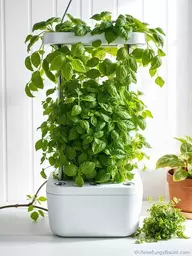
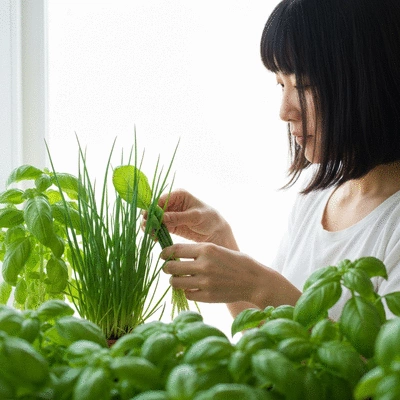
Person harvesting fresh herbs from a small indoor herb garden

What is a Herb Garden and Why Should You Start One?

Herb gardens come in all shapes and sizes, from compact pots on a sunny windowsill to larger plots in your backyard. One of the best things about growing your own herbs is the convenience of having fresh ingredients at your fingertips! Imagine snipping off some basil for your pasta or mint for your tea—there's nothing quite like it!

Plus, as a passionate gardener, I can assure you that tending to an herb garden can be a relaxing and therapeutic hobby. It’s a wonderful way to connect with nature and bring a little green into your life. Starting an herb garden can also encourage sustainable gardening practices, reducing the need for store-bought herbs that may not be as fresh. You can find more insights on starting your herb garden and its benefits through resources like this beginner's guide to herb gardening provided by WVU Extension.

Essential Herbs for Beginners: Choosing the Right Plants

Now that you’re excited about starting an herb garden, let’s talk about which herbs are best for beginners. Choosing the right plants is crucial to your gardening success! Here are some essential herbs that I recommend:

  • Basil: A versatile herb that thrives in warm weather.
  • Parsley: Great for garnishing dishes and adding flavor.
  • Cilantro: Perfect for adding a zesty kick to salsas and salads.
  • Chives: Easy to grow and adds a mild onion flavor.

These herbs are not only easy to cultivate but also have a variety of uses in the kitchen. As you become more comfortable, you can explore more adventurous varieties! Remember, starting simple can build your confidence and ensure you enjoy the process. For more ideas on easy-to-grow herbs, consider checking out this seasonal guide to growing herbs.

Popular Culinary Herbs: A Focus on Basil, Oregano, and Thyme

When it comes to culinary herbs, a few stand out as staples in most kitchens. Let’s take a closer look at three popular choices: basil, oregano, and thyme. Each of these herbs brings unique flavors that can elevate your cooking!

  • Basil: Known for its sweet, peppery flavor, basil pairs beautifully with tomatoes, making it ideal for sauces and salads.
  • Oregano: An essential herb in Mediterranean cuisine, oregano adds a warm, earthy flavor to dishes like pizza and pasta.
  • Thyme: With its subtle, minty flavor, thyme complements roasted meats and vegetables perfectly.

By incorporating these herbs into your garden, you’ll ensure that your meals are bursting with flavor. Plus, they’re all relatively easy to care for, making them perfect for those just starting out. As you grow your herb garden, you’ll discover how rewarding it is to cook with your own homegrown ingredients! For tips on how to grow, harvest, and preserve these and other culinary herbs, the Piedmont Master Gardeners offer excellent advice.

Pro Tip

As you cultivate your herb garden, consider companion planting to enhance growth and deter pests. For instance, planting basil alongside tomatoes can improve flavor and repel harmful insects. This practice not only maximizes space but also creates a more harmonious garden ecosystem!

Frequently Asked Questions About Herb Gardening

Q: What are the easiest herbs to grow for beginners?
A: For beginners, basil, parsley, cilantro, and chives are excellent choices as they are relatively easy to cultivate and versatile in cooking.
Q: Why should I start an herb garden?
A: Starting an herb garden offers fresh ingredients to enhance meals, can be a therapeutic hobby, provides health benefits, and improves your garden's aesthetic.
Q: Where can I find quality herb seeds and gardening tools?
A: You can find quality seeds and tools at local nurseries, online gardening retailers, farmers' markets, and home improvement stores.
Q: How can I connect with other herb gardeners?
A: Engaging with local gardening clubs, attending gardening expos, and joining social media groups are great ways to connect with fellow herb gardeners and share knowledge.
Q: What are some best practices for maintaining fresh cilantro and parsley?
A: To maintain cilantro and parsley, water them wisely (morning or late afternoon), prune regularly to encourage bushier growth, and ensure they receive at least 6 hours of sunlight daily.

Wrapping Up Your Herb Gardening Journey

As we wrap up this exploration of herb gardening, it's essential to reflect on the exciting avenues you can pursue. Starting your own herb garden can be a deeply rewarding endeavor, whether you're growing herbs for cooking or simply to enjoy their beauty. At All American Gardeners, we love to help fellow gardening enthusiasts like you discover the joy of nurturing plants, and we're here to support you every step of the way!

Where to Buy Quality Herb Seeds and Gardening Tools

Finding the right supplies can make all the difference in your herb gardening experience. It's vital to source your seeds and tools from reputable suppliers. Here are some great places to consider:

  • Local nurseries: They often carry a variety of herb seeds and can offer expert advice!
  • Online gardening retailers: Websites like Seed Savers Exchange and Burpee provide a wide selection of heirloom and organic seeds.
  • Farmers' markets: You can often find locally grown herb plants and talk to the growers about their practices.
  • Home improvement stores: These usually have a gardening section stocked with essential tools and supplies.

When purchasing tools, look for durable options that suit your gardening style—quality tools can last for years, making your gardening experience easier and more enjoyable!

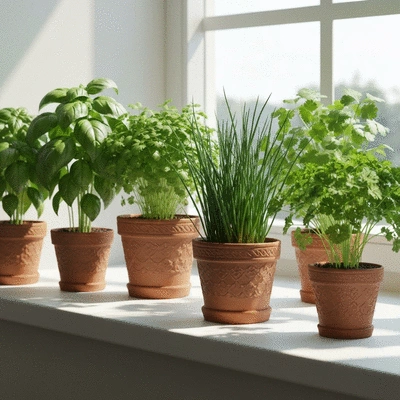
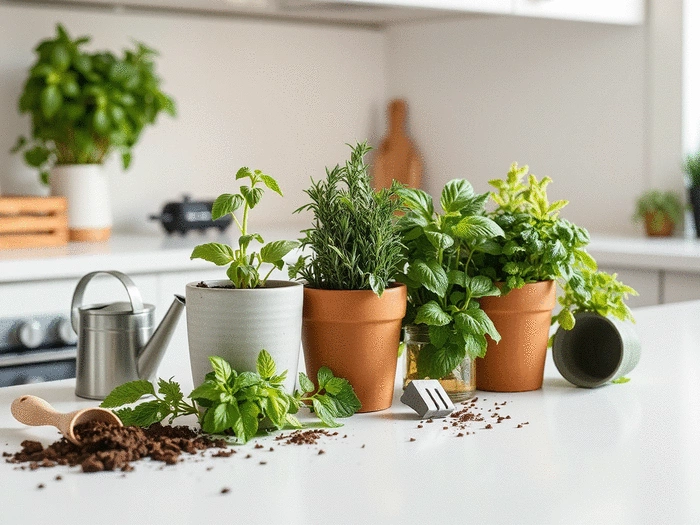
Variety of fresh herbs growing in small pots on a windowsill

Community Resources: Engaging with Fellow Herb Gardeners

Connecting with fellow herb gardeners can be incredibly enriching. Engaging with a community allows you to exchange tips, share successes, and even troubleshoot challenges together. Here are a few ways to get involved:

  • Join local gardening clubs: Many cities have clubs that meet regularly to share advice and experiences.
  • Attend gardening expos: These events often feature workshops and talks on various gardening topics.
  • Follow social media groups: Platforms like Facebook and Instagram have lively gardening communities where you can ask questions and find inspiration.

By engaging with these resources, you’ll not only grow your knowledge but also forge friendships with people who share your passion for gardening!

Herb Gardening Workshops: Learning to Grow Chervil and Papalo

Participating in herb gardening workshops can provide you with hands-on experience and knowledge from seasoned gardeners. These workshops often cover a variety of topics, including:

  • Planting techniques: Learn the best practices for starting seeds and transplanting young herbs.
  • Maintenance tips: Discover how to care for specific herbs like chervil and papalo, including water and nutrient needs.
  • Harvesting and storage: Understand how to properly harvest your herbs to maximize flavor and potency.

Workshops can be found at community centers, botanical gardens, or even through local universities—don't miss out on the chance to grow your gardening skills!

Ready to Start Your Herb Garden?

Now that you have a solid foundation of knowledge about herb gardening, it’s time to roll up your sleeves and get started! At All American Gardeners, I’m excited to see you embark on this green journey!

Tips for Getting Started and Making Your First Purchase

When you're ready to make your first purchase, keep these tips in mind:

  • Start small: Choose a few herbs that you know you'll use frequently in cooking.
  • Research plant preferences: Different herbs have unique needs regarding sunlight, water, and soil.
  • Invest in quality: Quality seeds and supplies often yield better results than cheaper alternatives.

Remember, the goal is to enjoy the process and learn as you grow!

Join Local Gardening Groups and Online Communities for Support

Consider joining a local gardening group or online community. These spaces are invaluable for sharing experiences and receiving encouragement. You might discover:

  • Seasonal tips that align with your local climate.
  • Exclusive access to seed swaps or plant exchanges.
  • Invitations to community gardening days where you can learn directly from others.

Connecting with others will inspire you to keep going, and you’ll feel part of something bigger!

Herb Plant Care: Best Practices for Maintaining Fresh Cilantro and Parsley

To keep your herbs thriving, it’s crucial to adopt proper care practices. For herbs like cilantro and parsley, here are some best practices:

  • Water wisely: Water your herbs in the morning or late afternoon to prevent evaporation.
  • Prune regularly: This encourages bushier growth and prevents flowering, which can alter flavor.
  • Provide ample sunlight: Ensure your herbs receive at least 6 hours of sunlight daily.

With these tips and tricks, your herb garden will flourish, providing you with fresh ingredients for your culinary adventures!

Recap of Key Points

Here is a quick recap of the important points discussed in the article:
  • Starting an herb garden is rewarding, providing fresh ingredients and delightful aromas.
  • Essential herbs for beginners include basil, parsley, cilantro, and chives.
  • Culinary staples such as basil, oregano, and thyme can elevate your cooking.
  • Quality seeds and tools are crucial for a successful herb gardening experience.
  • Engaging with local gardening communities can enhance your knowledge and support.
  • Participating in workshops offers hands-on learning opportunities for herb care.
  • Proper care practices, including watering and sunlight, are essential for thriving herbs.

Subscribe & Share
Growing Your Own Herb Garden Herb Garden Ever thought about the joy of nurturing your own herb garden? It's not just about cooking; it's a ga
Plant Care Tips for Home Gardeners Ultimate Guide to Plant Care for American Home Gardeners What if your garden could not only thrive but also play a vital role in your local ecosystem? Unders
Gardening with Burpee Seeds burpee gardening Starting your gardening journey can feel overwhelming, but with the right tools and knowledge at you
Banner
All American Gardeners

Your premier online resource for mastering home gardening across the U.S. We empower American home gardeners with expert tips, step-by-step guides, and sustainable practices for thriving outdoor spaces.

Trusted by gardeners nationwide, our mission is to provide reliable, easy-to-follow insights backed by Clara M. Greene's extensive horticulture experience and practical advice.

Cultivate Your Garden
Recent Posts
Herb Garden Growing Your Own Herb Garden

Ever thought about the joy of nurturing your own h

Ultimate Guide to Plant Care for American Home Gardeners Plant Care Tips for Home Gardeners

What if your garden could not only thrive but also

burpee gardening Gardening with Burpee Seeds

Starting your gardening journey can feel overwhelm

Gardening Wisdom from All American Gardeners