What if your garden could not only thrive but also play a vital role in your local ecosystem? Understanding the intricacies of plant care is essential for every gardener, especially in the diverse climates of America!
What You Will Learn
Recognizing your USDA plant hardiness zone is crucial for selecting suitable plants that thrive in your climate.
Understanding regional differences in plant care can significantly influence your choices and success rates in gardening.
Native plants require less maintenance and support local wildlife, enhancing biodiversity in your garden.
Implementing sustainable practices like drip irrigation and rain barrels can conserve water while keeping your garden vibrant.
Creating pollinator-friendly spaces not only benefits your plants but also supports essential local wildlife.
Vertical gardening is an innovative way to maximize space and create stunning visual displays in your garden.
Engaging with local gardening communities and resources can provide valuable insights and enhance your gardening journey.
Key Plant Care Considerations
Understanding the varied needs of plants is crucial for successful gardening. Below is a comparison of different plant types and their essential care considerations.
Regional Plant Care (USDA Zones)
Understanding USDA plant hardiness zones is fundamental for selecting plants that will thrive in your specific climate.
Zone 1: Northern Alaska, extremely hardy plants.
Zone 5: Midwest, perennials like hostas flourish.
Zone 9: California/Florida, citrus trees thrive.
Key: Matching plants to zones ensures success.
Essential Plant Profiles
Diversifying your garden with these versatile plants can enhance biodiversity and utility.
Native Plants: Low maintenance, adapted to local conditions.
Rain Barrels: Collect natural resources for watering.
Key: Conserve water for a greener garden.
Comprehensive Overview of Plant Care for American Gardeners
As we embark on our gardening journey, understanding the nuances of plant care is essential for every American gardener! The diverse climates across the United States necessitate tailored approaches to plant selection and maintenance. A great starting point is recognizing your USDA plant hardiness zone, which helps guide your gardening decisions. By knowing your zone, you can choose plants that are not only suited to your climate but also thrive throughout the seasons.
For example, if you're in Zone 5, you might explore hardy perennials like daylilies or black-eyed Susans. Understanding these differences ensures that you're setting yourself up for success right from the start!
Understanding Regional Differences in Plant Care
It's crucial to grasp how regional differences impact plant care strategies. The USDA zones range from 1 (coldest) to 13 (warmest), which correspond to the average annual minimum temperatures. This information can significantly influence your plant choices, as certain species may not survive in colder regions.
Zone 1: Primarily found in northern Alaska, suitable plants are extremely hardy.
Zone 5: Includes much of the Midwest; perennials like hostas flourish here.
Zone 9: Found in parts of California and Florida; citrus trees thrive in these warmer climates.
By understanding these zones, you can make informed choices. This adaptability to local conditions is one of the keys to successful gardening!
Essential Plant Profiles for American Home Gardens
Now, let’s highlight some common plants that work well in different regions of the U.S.! Here are a few that I absolutely love working with:
Native Plants: They require less maintenance and are well-adapted to local conditions.
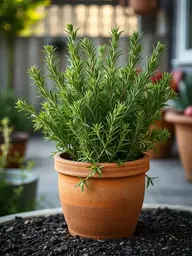
Herbs:Basil, rosemary, and thyme are not only useful in the kitchen but also attract beneficial insects.
Flowering Perennials: Options like echinacea and lilies provide color and beauty year after year!
These plants are not only beautiful but also promote biodiversity. I can't tell you how rewarding it is to see butterflies and bees visiting your garden!
Houseplants vs. Outdoor Gardening: Key Considerations
Let’s talk about the differences in care requirements between houseplants and outdoor gardening. While houseplants can be quite forgiving, they often require different attention in terms of light and humidity. For example, succulents thrive in bright, direct sunlight while many popular indoor plants like pothos prefer indirect light. For more detailed guidance on indoor plant care, resources like the University of Georgia Extension's guide on growing indoor plants with success and Iowa State University Extension and Outreach's advice on how to care for houseplants offer valuable insights. Additionally, Purdue University Extension provides helpful tips on indoor plant care.
Light Needs: Houseplants often need filtered light, while outdoor plants need full sun.
Humidity Levels: Indoor plants may require a humid environment, especially in dry winter months.
Watering Frequency: Outdoor plants generally need more frequent watering compared to their indoor counterparts.
As you set up your gardening spaces, keep these considerations in mind. This knowledge will help you create the perfect environment for your beloved plants!
Pro Tip
Did you know? Incorporating companion planting can significantly enhance your garden's health and productivity! For instance, pairing tomatoes with basil not only maximizes space but also helps deter pests and improve flavor. Experiment with different plant combinations to find what works best in your garden!
Practical Steps for Sustainable Gardening
As a passionate gardener, I believe that adopting sustainable practices not only benefits our gardens but also our planet! At All American Gardeners, I aim to share practical steps that you can incorporate into your gardening routine. These methods will help you conserve resources and promote a thriving ecosystem in your backyard. Let’s explore some effective strategies together!
Water-Saving Techniques for Eco-Friendly Gardens
Water conservation is crucial in creating an eco-friendly garden. Implementing water-saving techniques can significantly reduce your water usage while ensuring your plants thrive. Here are some effective methods to consider:
Drip Irrigation: This targeted approach delivers water directly to the plant roots, minimizing evaporation and runoff.
Mulching: Applying a layer of mulch around your plants helps retain soil moisture and suppress weeds.
Rain Barrels: Collecting rainwater is a fantastic way to utilize natural resources for watering your garden.
Soil Moisture Sensors: These devices can help you monitor soil moisture levels and water only when necessary.
By incorporating these techniques, you can ensure that your garden remains lush and vibrant while conserving precious water resources.
Creating Pollinator-Friendly Spaces
Did you know that attracting pollinators like bees and butterflies can enhance your garden’s productivity? Creating a pollinator-friendly space is not only beneficial for your plants but also supports local wildlife. Here’s how you can design your garden to attract these essential creatures:
Native Plants: Choose flowers and plants native to your region, as they provide food and habitats for local pollinators.
Diverse Planting: Incorporate a variety of flowering plants to provide continuous blooms throughout the growing season.
Provide Shelter: Include features like brush piles or bee hotels to offer nesting sites for pollinators.
Avoid Pesticides: Opt for organic pest control methods to keep your garden safe for pollinators.
By fostering a welcoming environment for pollinators, you’ll create a healthier ecosystem that benefits everyone!
Exploring Vertical Gardening for Space Efficiency
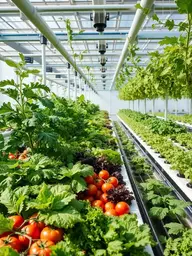
If you’re short on space or looking to add a unique touch to your garden, consider vertical gardening! This innovative approach maximizes your gardening area while creating stunning visual displays. Here are some benefits and tips for implementing vertical gardening:
Space Maximization: Vertical gardens utilize walls and fences, allowing you to grow more plants in less ground space.
Improved Air Circulation: Elevating your plants can reduce the risk of disease by improving airflow around them.
Easy Maintenance: Vertical gardens can be more accessible for watering and harvesting, reducing strain on your back.
Creative Design: They offer an opportunity to express your creativity with unique plant arrangements and displays.
Implementing vertical gardening techniques is a fantastic way to enhance your gardening experience and make the most of your available space!
Engaging with the Gardening Community
Gardening is more than just a hobby; it’s a wonderful community. Connecting with others who share your passion can enhance your gardening journey and provide valuable insights. Here are some ways to engage with the gardening community:
Finding Local Gardening Resources and Support
In every community, there are resources waiting to be explored! Consider these ways to find local gardening groups and workshops:
Community Gardens: Join a community garden to meet fellow gardeners and learn from their experiences.
Local Extension Offices: Many universities offer workshops and resources through cooperative extension services.
Online Forums: Engage with online platforms where gardeners exchange tips, ideas, and support.
Social Media Groups: Look for Facebook groups or Instagram communities focused on gardening in your area.
These resources can be invaluable for learning and sharing knowledge with fellow gardening enthusiasts!
Encouraging Feedback and Sharing Experiences
At All American Gardeners, I’d love to hear your gardening stories! Sharing experiences not only fosters community but can also inspire others. Here’s how you can engage:
Comment Sections: Share your thoughts and tips in the comments of blog posts and articles!
Social Media Posts: Post your gardening success stories and tag local gardening groups to spread the joy.
Workshops: Lead or participate in local workshops to share your knowledge and connect with others.
Encouraging feedback creates a supportive environment where everyone can learn and grow together!
Leveraging Gardening Apps for Better Practices
In our tech-savvy world, there are numerous apps designed to improve your gardening experience! Here are some popular gardening apps I recommend:
Garden Planner: This app helps you design and manage your garden layout effectively.
Plant Identification: Use apps like PlantSnap to identify plants and learn about their care.
Weather Trackers: Keep an eye on local weather conditions to plan your gardening activities accordingly.
Gardening Journals: Apps that let you document your planting, growth, and care routines can be invaluable for future reference.
By leveraging these tools, you can enhance your gardening practices and stay connected with fellow enthusiasts!
Frequently Asked Questions About Plant Care
What is a USDA Plant Hardiness Zone and why is it important?
A USDA Plant Hardiness Zone indicates the average annual extreme minimum winter temperature for a specific region. It's crucial for gardeners to know their zone to select plants that can survive and thrive in their local climate.
Why should I choose native plants for my garden?
Native plants are well-adapted to local conditions, requiring less maintenance, water, and pesticides. They also support local wildlife and enhance biodiversity in your garden, creating a healthier ecosystem.
What are some effective water-saving techniques for gardening?
Effective water-saving techniques include drip irrigation, which delivers water directly to plant roots; mulching, which helps retain soil moisture; and using rain barrels to collect natural rainwater for irrigation.
How can I create a pollinator-friendly garden?
To create a pollinator-friendly garden, incorporate a variety of native flowering plants for continuous blooms, provide shelter (like brush piles or bee hotels), and avoid chemical pesticides to protect beneficial insects.
What are the benefits of vertical gardening?
Vertical gardening maximizes space, making it ideal for small areas. It also improves air circulation around plants, reduces maintenance effort, and allows for creative visual displays, enhancing the aesthetic appeal of your garden.
Recap of Key Points
Here is a quick recap of the important points discussed in the article:
Understand your USDA plant hardiness zone to select appropriate plants for your region.
Utilize native plants and perennials for low-maintenance and beautiful gardens.
Consider specific care needs for houseplants versus outdoor gardening, particularly in terms of light and humidity.
Implement water-saving techniques like drip irrigation and mulching for sustainable gardening.
Create pollinator-friendly spaces by incorporating native plants and avoiding pesticides.
Explore vertical gardening to maximize space and enhance air circulation.
Engage with local gardening communities for resources, support, and shared experiences.
Subscribe & Share
2026-08-28
Growing Herbs with Hydroponics
Why settle for store-bought herbs when you can grow your own at home, in any space? Hydroponic garde
2026-08-27
Growing Sweet Corn from Seeds
Ready to transform your gardening experience? Selecting the right sweet corn seeds can make all the
Growing Your Own Garlic Bulbs
As you prepare to embark on your journey of growing garlic, consider this: garlic cultivation isn't
All American Gardeners
Your premier online resource for mastering home gardening across the U.S. We empower American home gardeners with expert tips, step-by-step guides, and sustainable practices for thriving outdoor spaces.
Trusted by gardeners nationwide, our mission is to provide reliable, easy-to-follow insights backed by Clara M. Greene's extensive horticulture experience and practical advice.