As the world shifts towards more sustainable practices, hydroponic irrigation emerges as a revolutionary gardening method. With the ability to grow plants without soil, this approach promises faster growth and higher yields. Are you ready to explore the transformative potential of hydroponics?
What You Will Learn
Hydroponic irrigation enables plants to grow faster—up to 50% quicker than traditional methods.
This method conserves water, using up to 90% less than conventional soil gardening practices.
Different hydroponic systems, such as NFT and DWC, cater to various plant types and growth environments.
Monitoring tools like pH meters and flow rate meters are essential for optimizing system performance.
Adjusting irrigation schedules based on growth stages can significantly boost plant health and yield.
Choosing the right hydroponic system depends on crop type, available space, and budget considerations.
Hydroponics: Efficiency & Growth
A visual overview of hydroponic irrigation benefits and key system comparisons, highlighting resource efficiency and growth advantages.
Faster Growth
Plants often grow up to 50% faster due to better access to nutrients in hydroponic systems compared to traditional methods.
+50% Growth
Water Conservation
Hydroponic systems typically use 90% less water than conventional soil gardening, making them highly sustainable.
-90% Water Usage
Hydroponic Market Growth
The hydroponics market is expected to expand significantly, driven by urban farming and sustainability demands.
Expanding Market
Key Monitoring Tools
pH Meters
EC Meters
Temp. & Humidity Sensors
Flow Rate Meters
Crucial for optimal system performance and yield.
Understanding Hydroponic Irrigation: The Basics Explained
Welcome to the fascinating world of hydroponic irrigation! As a passionate gardener, I’ve explored various gardening techniques, and hydroponics stands out as a game-changer. So, what exactly is hydroponic irrigation? In simple terms, it’s a method of growing plants without soil, using nutrient-rich water instead. By directly supplying plants with all the essential nutrients they need, this technique can lead to faster growth and higher yields. Isn’t that exciting?
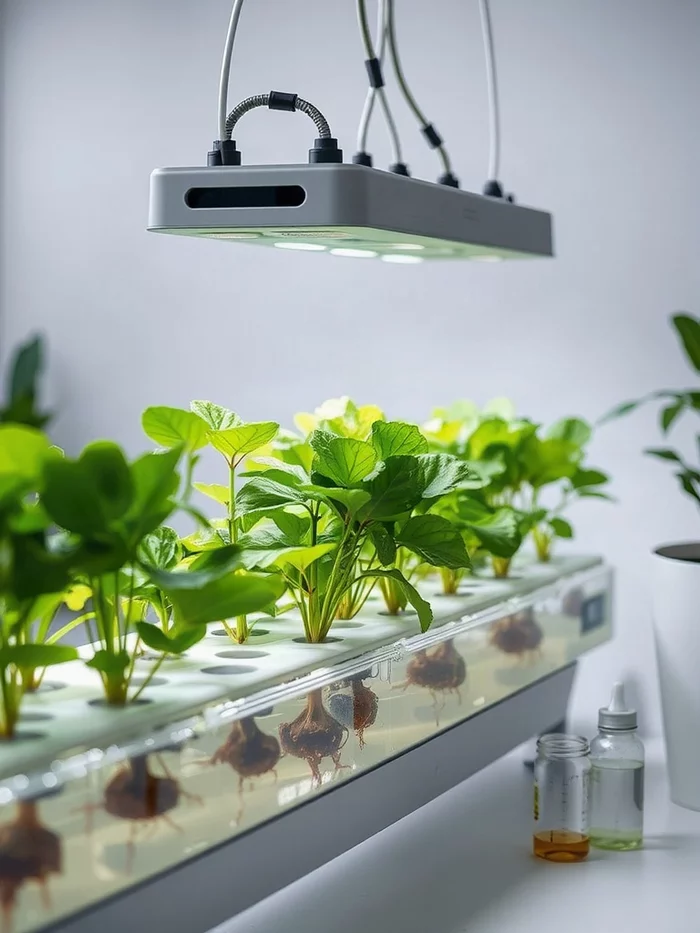
Hydroponic systems operate by delivering water and nutrients directly to the plant roots, allowing for optimal absorption. The key here is that instead of relying on soil, plants are supported by a growing medium, which can vary from clay pellets to rockwool. It’s a fantastic way to maximize your gardening potential, especially if you're short on space or dealing with poor soil conditions! To learn more about getting started, check out our beginner's guide to hydroponics.
What is Hydroponic Irrigation and How Does It Work?
Hydroponic irrigation works by creating a controlled environment where plants can thrive. There are several methods to achieve this, including nutrient films, deep water culture, and aeroponics. Each method utilizes a different approach to keep the roots moist while delivering nutrients. Here's a quick breakdown:
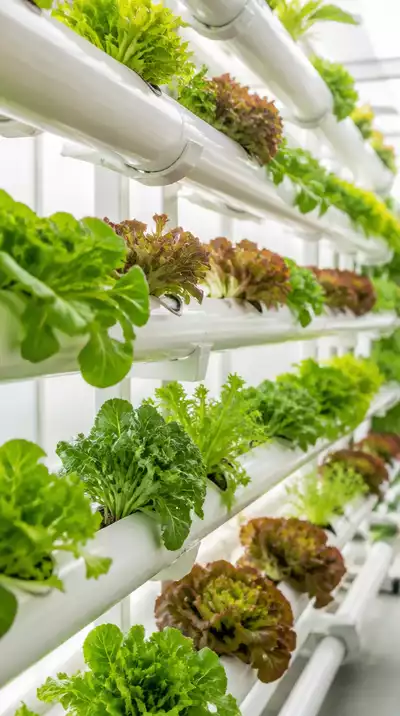
Nutrient Film Technique (NFT): A continuous flow of nutrient solution runs over the roots.
Deep Water Culture (DWC): Plants are suspended in a nutrient solution with their roots submerged.
Aeroponics: Roots are misted with a nutrient solution, providing maximum oxygen exposure.
These systems not only save water but also reduce the risk of pests and diseases associated with soil. It’s a win-win for home gardeners looking to grow in a sustainable way!
Key Benefits of Hydroponic Irrigation Over Traditional Methods
Why should you consider hydroponic irrigation instead of sticking with traditional gardening methods? There are plenty of benefits that make this approach appealing!
Faster Growth: Plants often grow up to 50% faster due to better access to nutrients.
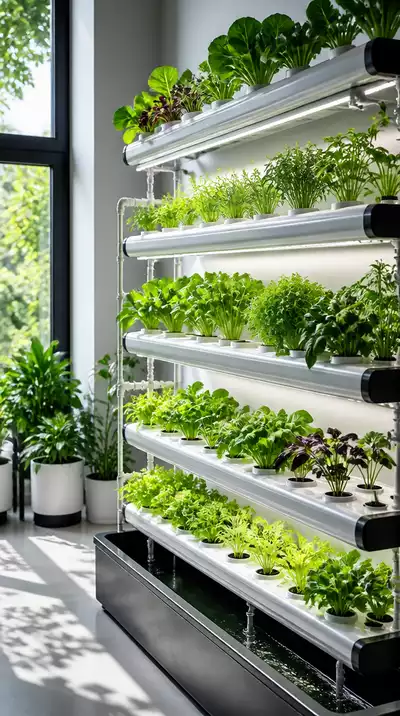
Space Efficiency: Ideal for urban gardening, hydroponics can be set up in small spaces, including balconies.
Water Conservation: Hydroponic systems typically use 90% less water than conventional soil gardening.
Reduced Pest Problems: Without soil, many soil-borne pests and diseases are eliminated.
These advantages make hydroponics a fantastic option for anyone looking to enhance their gardening game. As a gardener, I believe that adopting innovative methods like hydroponics can lead to more productive and sustainable growing practices! For more inspiration, explore the benefits of vertical gardens, which often integrate hydroponic principles.
Exploring Different Hydroponic System Types: A Quick Overview
Now that we’ve covered the basics, let’s take a closer look at the different types of hydroponic systems available. Each system has its unique benefits and can cater to various types of crops and growing environments.
Drip Systems: Efficient for delivering nutrients to individual plants.
Ebb and Flow: Floods the growing area with nutrient solution, then drains it away.
Wicking Systems: Uses a wick to draw nutrient solution up to the plant roots.
Choosing the right hydroponic system depends on your available space and the types of crops you want to grow. At All American Gardeners, we provide resources to help you select the best system for your gardening journey. Let’s embrace the possibilities and grow together!
Pro Tip
To truly optimize your hydroponic system, consider implementing a regular maintenance schedule. Cleaning your equipment and checking nutrient levels weekly can prevent issues from arising and ensure your plants receive the best care possible. Remember, a little proactive effort goes a long way in maximizing your yields!
Optimizing Your Hydroponic Irrigation for Maximum Yield
When it comes to hydroponics, optimization is key to achieving the best results. In this section, we’ll explore some essential aspects that can help you fine-tune your hydroponic irrigation system, ensuring your plants grow healthy and vibrant. After all, who wouldn’t want to maximize their yield, right?
One of the first steps in optimizing your hydroponics is to invest in monitoring tools. These tools provide valuable insights into how your system is performing and can lead to better decision-making. Let’s dive into what to consider when selecting these tools!
Monitoring Tools for System Performance: What to Consider
Monitoring tools are crucial for keeping tabs on your hydroponic system. Here are some key devices you might want to consider:
pH Meters: Essential for measuring the acidity or alkalinity of your nutrient solution.
EC Meters: Help you track the electrical conductivity, indicating nutrient levels.
Temperature and Humidity Sensors: Maintain optimal growing conditions for your plants.
Flow Rate Meters: Ensure you’re delivering the right amount of water to your plants.
With these tools, you can adjust your system based on real-time data, leading to healthier plants and higher yields. Remember, monitoring is all about catching issues before they escalate!
Adjusting Your Irrigation Schedule for Different Growth Stages
Every plant has its unique requirements at various stages of growth. Adjusting your irrigation schedule accordingly can make a huge difference in your hydroponic garden. Here’s a quick guide:
Seedlings: Keep moisture levels consistent but not saturated; frequent light watering works wonders.
Vegetative Stage: Increase watering frequency as plants grow larger and develop more leaves.
Flowering Stage: A balanced approach is key—ensure nutrients are readily available without water logging.
Your plants will thank you for the attention to their needs! A tailored irrigation schedule not only promotes growth but also helps prevent stress and disease.
Using Grow Lights: Maximizing Photosynthesis in Hydroponic Systems
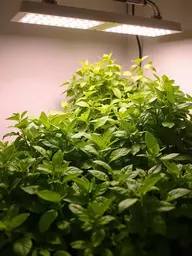
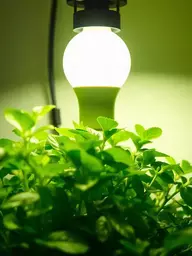
Light is just as crucial in hydroponics as water and nutrients. Utilizing grow lights effectively can significantly enhance photosynthesis. Here’s how to maximize their potential:
Choose the Right Spectrum: Plants thrive under specific light wavelengths; full-spectrum lights are ideal.
Proper Placement: Position lights at an appropriate distance to avoid burning plants while ensuring adequate light exposure.
Timing is Everything: Mimic natural sunlight cycles; most plants benefit from 12-16 hours of light daily.
By integrating grow lights into your setup, you're not just lighting the way—you're paving the path for lush, green growth! For more detailed information on lighting, check out our guide on top hydroponic lighting options.
Making Informed Decisions: Comparing Hydroponic Systems for Your Needs
Choosing the right hydroponic system can feel overwhelming, but understanding your needs can simplify the process. Let’s break it down together!
Choosing the Right Hydroponic System Based on Crop Type and Scale
Not all hydroponic systems are created equal, and the right choice often depends on what you’re growing. Here are some considerations:
Crop Type: Leafy greens often do well in NFT or DWC, while larger fruiting plants benefit from systems with more support.
Space: Consider how much room you have; vertical systems can maximize limited space.
Scale: Small home gardens may only need a simple setup, while commercial growers might require more complex systems.
Finding the perfect match for your gardening goals ensures that you create the most productive environment for your plants!
Budgeting for Your Hydroponic Irrigation Setup: What to Expect
Setting up a hydroponic system doesn’t have to break the bank, but it’s essential to budget wisely. Here’s what to expect:
Initial Costs: This includes equipment, systems, and grow lights—an upfront investment pays off in the long run.
Ongoing Expenses: Factor in nutrients, water, and electricity costs as you maintain your system.
Potential Savings: Over time, growing your own food can significantly reduce grocery expenses!
Being informed about your budget can help you make choices that align with your financial goals while still achieving great results.
Understanding the Hydroponic Market Size and Industry Trends
The hydroponic market is rapidly evolving, and it's essential to stay informed. Here are some key trends and insights:
Growth Potential: The hydroponics market is expected to expand, driven by urban farming and sustainability practices.
Technological Advances: Innovations like automated systems and AI are making hydroponics more accessible than ever.
Consumer Demand: With increasing interest in locally grown produce, hydroponics is becoming a popular choice for many.
Understanding these trends can help you make informed decisions about your hydroponic investments and positioning. For more on how to manage the economic aspects of your garden, consider exploring budget-friendly garden tool sets.
Frequently Asked Questions about Hydroponic Irrigation
What is hydroponic irrigation? Hydroponic irrigation is a method of growing plants without soil, using nutrient-rich water to deliver essential nutrients directly to the plant roots.
How much faster do plants grow in hydroponics? Plants in hydroponic systems can grow up to 50% faster than those grown in traditional soil gardening due to optimized nutrient access.
Does hydroponics save water? Yes, hydroponic systems use significantly less water, typically around 90% less than conventional soil gardening, making them highly sustainable.
What are the main types of hydroponic systems? Common types include Nutrient Film Technique (NFT), Deep Water Culture (DWC), Aeroponics, Drip Systems, Ebb and Flow, and Wicking Systems.
What tools are essential for monitoring a hydroponic system? Key monitoring tools include pH meters (for acidity/alkalinity), EC meters (for nutrient levels), temperature and humidity sensors, and flow rate meters.
How do I choose the right hydroponic system for my needs? Consider factors such as the type of crops you want to grow, the available space, and your budget. Leafy greens might do well in NFT, while larger plants may need more robust support.
What are the benefits of using grow lights in hydroponics? Grow lights maximize photosynthesis, promoting lush growth. It's crucial to choose the right light spectrum, ensure proper placement, and maintain an appropriate light cycle (e.g., 12-16 hours daily).
Final Thoughts on Hydroponic Irrigation: Is It Right for You?
As we wrap up, let’s explore whether hydroponic irrigation is the right fit for your gardening journey. With all the information at hand, you can make a well-informed choice!
Weighing the Pros and Cons of Hydroponic Irrigation
Hydroponics offers numerous advantages, but like any method, it comes with its challenges. Here’s a quick overview:
Pros: Faster growth rates, space efficiency, and reduced water usage.
Cons: Higher initial setup costs and the need for knowledge on system management.
It’s essential to weigh these factors against your goals and capabilities as a gardener.
Benefits of Hydroponic Farming for Sustainable Agriculture
Hydroponics isn’t just about maximizing yields; it’s also about promoting sustainability. Some benefits include:
Resource Efficiency: Uses significantly less water than traditional farming.
Less Land Required: Ideal for urban environments and areas with poor soil quality.
Pesticide Reduction: Controlled environments lead to fewer pests and diseases.
By adopting hydroponic methods, you can contribute to a more sustainable agricultural future.
Exploring the Future of Indoor Gardening and Urban Farming
The future of indoor gardening looks bright, and urban farming is on the rise! As more people turn to hydroponics, we can expect:
Increased Accessibility: More resources and technology will be available for home gardeners.
Community Growth: Greater collaboration and shared knowledge among urban gardeners.
Innovation: Continuous advancements in technology will streamline hydroponic processes.
It’s an exciting time to be a gardener, and I can't wait to see where this journey takes us!
Recap of Key Points
Here is a quick recap of the important points discussed in the article:
Hydroponic Irrigation Basics: A soil-less growing method using nutrient-rich water for faster plant growth and higher yields.
Key Hydroponic Systems: Understanding various systems like NFT, DWC, and aeroponics can help optimize your setup.
Benefits of Hydroponics: Faster growth, space efficiency, water conservation, and reduced pest problems make hydroponics appealing.
Monitoring Tools: Use pH meters, EC meters, and sensors to ensure optimal growing conditions and make data-driven adjustments.
Adapt Irrigation Schedules: Adjust watering based on growth stages to meet the needs of seedlings, vegetative, and flowering plants.
Grow Lights: Use full-spectrum lights and proper placement to enhance photosynthesis for better plant health.
Cost Considerations: Factor in initial and ongoing expenses for budgeting your hydroponic setup.
Sustainability: Hydroponics promotes resource efficiency and reduces pesticide use, contributing to sustainable agriculture.
Essential Herb Fertilizer Guide
Looking to transform your herb garden into a flourishing oasis? By understanding the nuances of herb
2026-09-22
Herbs for Full Sun Gardens
Have you ever wondered how a simple herb can transform a dish from bland to bursting with flavor? Un
All American Gardeners
Your premier online resource for mastering home gardening across the U.S. We empower American home gardeners with expert tips, step-by-step guides, and sustainable practices for thriving outdoor spaces.
Trusted by gardeners nationwide, our mission is to provide reliable, easy-to-follow insights backed by Clara M. Greene's extensive horticulture experience and practical advice.