Do Herbs Need Fertilizer?
Common Belief:
Herbs can grow just fine without any added fertilizer.
Reality:
Most herbs benefit from a nutrient boost, especially in containers, to achieve full potential.
Join Clara M. Greene's community for expert tips and seasonal guides tailored for American gardeners.
Posted on: 2026-09-25
By: Clara M. Greene
Looking to transform your herb garden into a flourishing oasis? By understanding the nuances of herb fertilization, you can enhance growth and flavor, ensuring every dish is a delight. Are you ready to unlock the secrets that will elevate your gardening game?
Herbs, while often resilient, benefit significantly from targeted nutrient support. Understanding their specific requirements and choosing the right fertilization approach can enhance both their growth and flavor. Below, we compare key aspects of herb fertilization to help cultivate a thriving garden. For more detailed insights into growing your own herbs, consider our comprehensive guide on growing your own herb garden.
Herbs can grow just fine without any added fertilizer.
Most herbs benefit from a nutrient boost, especially in containers, to achieve full potential.
Improves soil health, slow release (e.g., compost, worm castings).
Quick nutrient boost, potential for buildup over time.
As a passionate gardener, I often hear the question, “Do herbs really need fertilizer?” The answer is a bit nuanced. While herbs can thrive in less-than-ideal soil, providing them with the right nutrients can elevate their growth and flavor. Let’s dive into the nutritional needs of herbs and uncover the truths and myths surrounding herb fertilization!
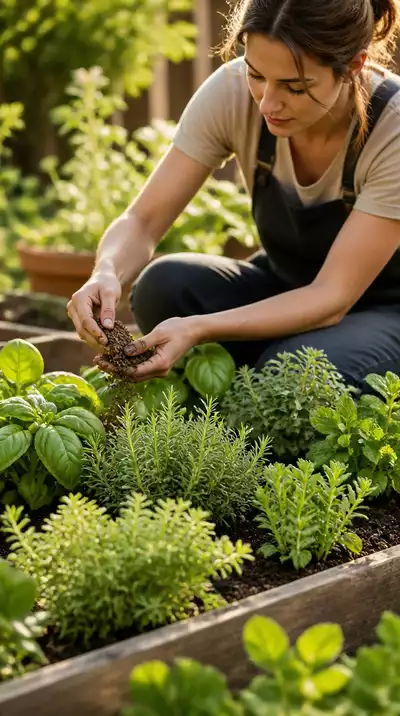
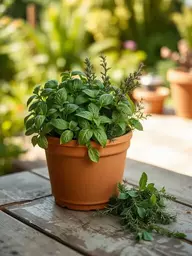
Many gardeners believe that herbs can grow just fine without any added fertilizer. While it's true that some herbs are quite resilient, most herbs benefit from a nutrient boost. Fertilizing can help them achieve their full potential—especially if you're growing them in containers, where nutrients can get depleted more quickly.
In my experience, herbs like basil and parsley flourish with occasional fertilization, while more hardy varieties like oregano can be more forgiving. It’s all about understanding the specific needs of each herb type! For those interested in sustainable practices, explore our organic gardening tips for beginners.
There are quite a few misconceptions when it comes to fertilizing herbs. Here are some common myths that I often encounter:
By debunking these myths, you’ll be better prepared to give your herbs the care they really need. Remember, knowledge is power!
To support robust herb growth, it’s important to provide essential nutrients. Key nutrients include:
By ensuring your herbs receive these vital nutrients, you’ll set the stage for a thriving herb garden that provides flavorful additions to your meals!
When it comes to choosing fertilizers, you’ll find yourself weighing the benefits of organic versus synthetic options. Organic fertilizers, such as compost and bone meal, are a great choice if you’re looking to maintain a sustainable garden. They improve soil health and provide a slow release of nutrients.
On the other hand, synthetic fertilizers can offer a quick nutrient boost but may lead to nutrient buildup in the soil over time. I personally lean towards organic options when caring for my herbs, as I believe they’re better for the long-term health of the garden!
The NPK ratio on fertilizer packages indicates the percentage of Nitrogen, Phosphorus, and Potassium. For herbs, I recommend looking for:
Understanding these ratios can help you choose the right fertilizer based on your herbs' growth stage and needs. For those interested in growing basil specifically, we have a detailed guide on fertilizer choices for basil growth.
Organic fertilizers can be a boon for your herbs. Here are some excellent options to consider:
Using these organic fertilizers not only supports healthy herb growth but also aligns with sustainable gardening practices. After all, the health of our garden reflects the care we put into it!
As you nurture your herbs, we’d love to know: What type of fertilizer do you prefer using for your herbs? Share your choice below!
As we wrap up our deep dive into herb fertilization, it's essential to reflect on the key insights that can elevate your gardening game! Understanding the nutritional needs of your herbs not only helps them thrive but also enhances the flavors you’ll enjoy in your culinary creations. Remember, every herb has its unique requirements, and tailoring your fertilization approach is the secret to success!
By recognizing the right timing and techniques for applying fertilizer, you can significantly impact your herb garden’s overall health. Whether you’re using organic options or synthetic fertilizers, knowing how to apply them effectively is crucial!
While some herbs are quite resilient and can grow without much intervention, most herbs benefit from a nutrient boost. This is especially true for herbs grown in containers, where nutrients are depleted more quickly.
The essential nutrients for optimal herb growth are Nitrogen (N) for leafy growth, Phosphorus (P) for root development and flowering, and Potassium (K) for overall plant health and disease resistance.
Organic fertilizers (like compost, worm castings, or fish emulsion) are generally recommended for herbs as they improve soil health and provide slow-release nutrients, aligning with sustainable gardening practices. Synthetic fertilizers offer a quick boost but can lead to nutrient buildup.
NPK ratios indicate the percentage of Nitrogen (N), Phosphorus (P), and Potassium (K) in a fertilizer. For herbs, low-nitrogen fertilizers are suitable for less leafy varieties (e.g., thyme, sage), balanced fertilizers for general care, and high-potassium fertilizers for flowering stages (e.g., basil).
The frequency depends on the herb type, growing conditions, and fertilizer chosen. Container-grown herbs may need more frequent, lighter feeding than those in garden beds. Regular monitoring for signs of nutrient deficiency or over-fertilization is key to proper timing.
Let’s solidify what we've learned on this journey. Here are some key takeaways that can help guide your herb fertilization strategy:
By keeping these points in mind, you’re well on your way to cultivating a thriving herb garden. Your herbs will not just survive; they’ll flourish with the right care!
It’s vital to remember that herbs, like all plants, thrive on specific nutrients. Staying attuned to their needs—whether that’s through regular soil testing or adjusting your fertilization schedule—will set you up for success. Each herb, from basil to rosemary, has its own personality and preferences!
So, next time you’re in your garden, take a moment to observe your herbs. Are they bright and lively, or do they seem a bit lackluster? Observing these signs can help you adjust your fertilization practices in real-time!
It’s truly fascinating how the right fertilization techniques can elevate the flavors of your herbs! By nurturing your plants with the proper nutrients, you’re ensuring that every dish you create is imbued with the best flavors nature can offer. Isn’t that what gardening is all about?
Implementing practices like foliar feeding or using slow-release fertilizers can make a world of difference. Each herb has its unique response to different fertilizers, so don’t hesitate to experiment!
Now that you’ve armed yourself with knowledge, it’s time to put this into action! Implementing your fertilization plan is the next step in your gardening journey. Let’s discuss what you should do next to ensure your herbs continue to thrive.
By taking these steps, you’ll be well on your way to a bountiful herb garden that brings joy to both your cooking and gardening experiences!
Don’t forget, gardening is a journey best shared! I invite you to join the All American Gardeners community—let’s share our experiences and tips! Have you found a technique that works wonders for your herbs? Or perhaps you’ve encountered challenges along the way?
Sharing your journey not only helps you reflect on your experiences but also inspires fellow gardeners to learn and grow together! For more insights on general plant vitality, check out our guide on year-round plant care as a community!
Here is a quick recap of the important points discussed in the article: