LED Grow Lights
- Energy-efficient (low power consumption)
- Spectrum customization (blue for vegetative, red for flowering)
- Long lifespan
- Low heat output
Join Clara M. Greene's community for expert tips and seasonal guides tailored for American gardeners.
Posted on: 2026-09-26
By: Clara M. Greene
Did you know that the right hydroponic lighting can significantly boost your crop yield? Selecting appropriate bulbs not only influences plant growth but also enhances the quality of your harvest. Here’s what you will learn about optimizing your hydroponic lighting!
Understanding the types of hydroponic bulbs, their spectrum, and practical considerations is crucial for optimizing plant growth. Below is a comparison of common bulb types and key factors for selection. For a broader overview of starting your hydroponic journey, check out our beginner's guide to hydroponics.
Provides a warm, red light, ideal for promoting flowering in plants.
Offers a balanced light spectrum, suitable for continuous growth from seedling to harvest.
Mimics natural daylight, perfect for encouraging strong vegetative growth.
As we dive into the world of hydroponics, it’s essential to understand the role of hydroponic lighting in plant growth. Whether you’re a novice gardener or a seasoned horticulturist, knowing how to choose the right bulbs can make all the difference in your crop yield. The right lighting mimics the natural sunlight that plants crave, ensuring they thrive in your hydroponic setup!
Hydroponic bulbs are not just light sources; they’re key players in your garden's success. Let's explore how these bulbs function and why they are critical for plant health.
Good lighting is foundational for healthy plants. Hydroponic systems rely heavily on artificial light to provide the necessary photosynthesis energy. By choosing the right hydroponic bulbs, you can enhance plant growth significantly!
Understanding how hydroponic bulbs can simulate sunlight allows gardeners to create the ideal conditions for their plants. Let's take a closer look at how these bulbs mimic natural sunlight.
Hydroponic bulbs are designed to provide a spectrum of light that closely resembles natural sunlight. This spectrum consists of both blue and red wavelengths, which are critical for photosynthesis and flowering. By using full spectrum lights, you can ensure that your plants receive the balanced light they need throughout their growth stages.
Moreover, different bulbs cater to various plant needs, making your selection vital for achieving optimal results! For more insights into plant care, explore our plant care tips for home gardeners.
Not all bulbs are created equal! The choice of hydroponic bulbs affects your plants in various ways. Some factors to consider include:
Choosing the right bulb tailored to your specific plants can lead to lush greens and bountiful yields, aligning perfectly with our mission at All American Gardeners to empower home gardeners. So, let’s move on to explore the different types of bulbs available!
When it comes to hydroponic lighting, understanding the various types of bulbs can help you make the best choice for your system. Each type has its strengths and weaknesses, making some more suitable for specific setups than others. Let's look at the most popular options!
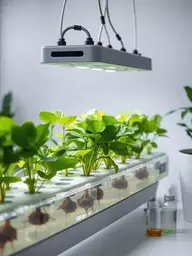
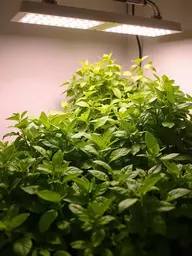
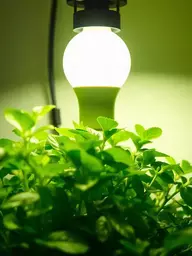
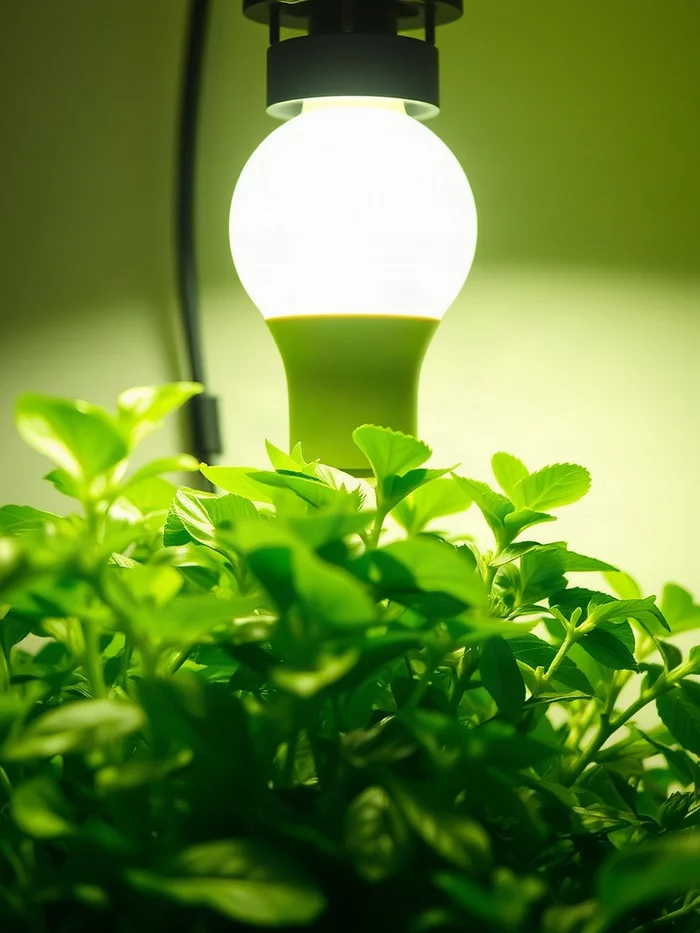
LED grow lights are among the most energy-efficient options available. They not only consume less power but also allow for spectrum customization, meaning you can tailor the light to specific growth stages. For example, blue light supports vegetative growth, while red light promotes flowering.
With their long lifespan and low heat output, LED lights are a favorite among many hydroponic gardeners!
Compact Fluorescent Lamps (CFL) and High-Pressure Sodium (HPS) bulbs are other popular options, each with unique characteristics:
Understanding the trade-offs between these bulbs can guide your choice based on your garden's needs.
Full spectrum grow lights are designed to provide light across all wavelengths. This means they can support your plants from seed to harvest, making them a versatile choice for any hydroponic garden. Choosing full spectrum bulbs can simplify your setup and ensure consistent growth and health for your plants!
Recent innovations in hydroponic lighting, like Chip-On-Board (COB) LEDs and quantum board lights, are making waves in the gardening community. These lights offer higher light intensity with less energy consumption, making them appealing for serious growers.
If you're looking to maximize your space and yield efficiently, these advanced lighting options might just be your ticket to success!
Selecting the right hydroponic bulbs isn't a one-size-fits-all scenario. There are a few key factors to keep in mind that can greatly influence your garden's success. Let's break them down!
The wattage of your bulbs correlates directly with the amount of light produced. More wattage means more light, but it’s essential to match the wattage to your gardening area. Make sure to consider how much coverage your plants will need based on their size and light requirements!
The color temperature of a bulb, indicated by its Kelvin (K) rating, influences plant growth. Here’s a quick breakdown:
By understanding these ratings, you can choose the right bulb for each growth stage, leading to healthier plants!
Hydroponic bulbs come with different base types, with E26 being the most common. However, it's essential to check compatibility with your existing fixtures. Other base types are available, so make sure to select one that fits your setup!
Light intensity affects photosynthesis and overall plant health. It's important to measure the light intensity in your hydroponic setup to ensure your plants are getting the right amount of light. Too little light can stunt growth, while too much can cause stress.
Finding the sweet spot for light intensity is crucial for a thriving hydroponic garden!
Now that we’ve covered the types of bulbs, let’s discuss some practical aspects of using hydroponic bulbs effectively. These considerations are essential for maintaining a sustainable and productive garden.
When selecting bulbs, consider their energy costs over the long term. While some bulbs may have a higher upfront cost, they could save you money in electricity bills throughout your growing cycles. Evaluating energy efficiency is key to sustainable gardening!
Heat output is another vital factor. High heat can affect your plants and the water temperature in your hydroponic system. Choosing bulbs with lower heat output can help maintain a stable environment for your plants, especially in smaller setups.
Managing how long and how intensely you provide light to your plants can be crucial. Dimming capabilities on certain bulbs allow you to tailor light levels to your plants’ needs throughout their growth stages. Setting a proper light duration can promote overall health and productivity!
As you dive deeper into hydroponics, you might have some common questions about hydroponic bulbs. Let’s address a few of these queries!
Choosing the best bulb involves considering your plant types, growth stages, and space requirements. Evaluate the growth requirements of your crops and select bulbs that meet those needs!
Different bulb types will perform differently at each growth stage. For instance, LED lights excel in vegetative stages, while HPS bulbs shine during flowering. Understanding these distinctions can help you optimize your setup.
Advanced lighting technologies can enhance growth rates, improve crop quality, and reduce energy consumption. By leveraging these innovations, you can make your hydroponic system more efficient and effective!
A: Hydroponic lighting is crucial because it provides the necessary energy for photosynthesis, which is how plants produce food. The right bulbs mimic natural sunlight, directly impacting growth rates, crop quality, and even pest and disease management.
A: Common types include LED grow lights (energy-efficient, customizable spectrum), CFL bulbs (good for small spaces, affordable), HPS bulbs (excellent for flowering but generate more heat), full spectrum lights (support all growth stages), and advanced options like COB LEDs and quantum board lights (high intensity, less energy).
A: Kelvin ratings indicate a bulb's color temperature. 3000K provides a warm, red light ideal for flowering. 4000K offers a balanced spectrum suitable for all growth stages. 6500K mimics natural daylight, perfect for strong vegetative growth.
A: Most plants benefit from a light cycle that mimics natural daylight, typically around 12 to 18 hours of light per day, depending on their specific growth stage. Using a timer can help ensure consistency.
A: Investing in LED bulbs, despite their higher upfront cost, can lead to significant long-term savings on energy bills due to their lower power consumption and longer lifespan. Additionally, optimizing light duration and intensity can further improve efficiency.
To help you further in your hydroponic journey, here are some visual resources that can aid in selecting the right bulbs:
Utilizing comparison tables can simplify the decision-making process. They allow you to quickly assess which bulbs are best suited for your plants based on wattage and growth stage.
Infographics can provide clear visuals on how different light spectrums affect plant growth stages. These tools can enhance your understanding and help you make informed choices for your hydroponic garden!
When selecting your hydroponic bulbs, consider not only the type and wattage but also the timing of your light exposure. Most plants benefit from a light cycle that mimics natural daylight, typically around 12 to 18 hours of light per day, depending on their growth stage. Implementing a timer can help automate this process, ensuring your plants receive consistent light for optimal growth!
As we dive deeper into the world of hydroponic gardening, it's crucial to make informed decisions about the hydroponic bulbs you choose for your plants. This section wraps up the essential elements of light selection, so you can cultivate a thriving hydroponic garden!
Understanding your plants' unique needs and light requirements is the key to success. After all, not every plant thrives under the same conditions! With the right bulbs, you can enhance growth and yield while minimizing energy costs.
Let's summarize the most important points to consider when selecting hydroponic bulbs:
With this knowledge, you can make decisions that positively impact your hydroponic setup. Just remember, your plants are counting on you to provide them with the right light for their growth journey!
Every plant species has its unique light needs, which can differ based on growth stages and types. For example, seedlings typically require less intense light compared to mature plants. This means adjusting your bulb choice and positioning as your plants grow can lead to healthier yields. Don't hesitate to consult All American Gardeners for specific recommendations tailored to your crops!
When it comes to your hydroponic bulbs, cost-effectiveness is crucial. Look for bulbs that not only fit your budget but also offer long-term savings on energy bills. Hydroponic gardening can be an investment, and being smart about your energy consumption can make all the difference in sustainability and profitability!
Now that you’re equipped with valuable insights, what’s next for your hydroponic garden? Here’s a guide to help you take the next steps!
When picking your hydroponic bulb, consider these criteria:
Using this framework, you can confidently narrow down your options and choose the right bulb that meets all your hydroponic needs!
Finding reliable sources for hydroponic bulbs can be overwhelming at first. Luckily, here are a few trusted retailers to consider:
Always read reviews and get recommendations from fellow gardeners to ensure you’re purchasing quality products!
While selecting the right bulbs is critical, don't forget about nutrients! Incorporating quality hydroponic nutrients will complement your lighting choices and maximize your crop yield. Just as plants need light, they also require the right balance of nutrients to thrive. I often recommend pairing your lighting setup with a nutrient plan tailored to your specific plants. For a deeper understanding of what your plants need, consider exploring our guide on essential hydroponic nutrients explained.
At All American Gardeners, we love hearing from our gardening community! Do you have additional questions about hydroponic bulbs? Whether you're a newcomer or a seasoned hydroponic gardener, your input helps us grow.
If you're curious about something specific or need further clarification on bulb types, feel free to reach out! We’re here to support you in your gardening journey.
Have you had success with a particular bulb or technique? Share your experiences with us! We want to create a community where gardeners can learn from one another and share their best practices.
Here is a quick recap of the important points discussed in the article: