Are you ready to take your gardening to the next level? Hydroponics offers a revolutionary way to grow plants without soil, providing faster growth and healthier produce. Let’s explore the essential insights you can gain from this innovative gardening method!
What You Will Learn
Hydroponics eliminates the need for soil, allowing for faster and healthier plant growth.
This method conserves water, using significantly less than traditional gardening techniques.
With hydroponics, you can customize nutrient solutions to meet the specific needs of your plants.
There are various hydroponic systems to explore, including Deep Water Culture and Nutrient Film Technique, each offering unique benefits.
Joining gardening communities and engaging in DIY projects can enhance your hydroponic experience and foster creativity.
Hydroponic System Comparison
Understanding the different hydroponic systems can help you choose the best setup for your gardening needs, whether you're a beginner or an experienced enthusiast.
Hydroponics: Water Usage & Growth Speed
Water Usage vs. Traditional
Significantly Less
Hydroponics conserves water by recirculating nutrient solutions, drastically reducing waste compared to soil-based gardening.
Plant Growth Speed
Up to 50% Faster
Direct nutrient delivery to roots accelerates growth, leading to quicker harvests and higher yields.
Deep Water Culture (DWC)
Plants are suspended in a nutrient solution, with roots fully submerged, offering continuous access to water and nutrients.
✓ Simple setup
✓ Good for leafy greens
⚠ Requires aeration
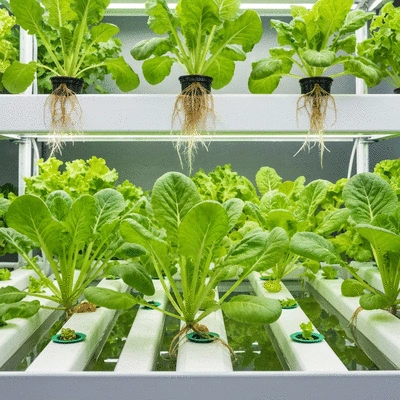
Nutrient Film Technique (NFT)
A thin film of nutrient solution flows over the roots, providing moisture and nutrients while ensuring ample oxygen.
✓ Efficient water & nutrient use
✓ Good for fast-growing plants
⚠ Vulnerable to power outages
Kratky Method
A passive system where plants grow above a nutrient solution that recedes as the plant consumes it, creating an air gap.
✓ No pumps or electricity
✓ Ideal for beginners
⚠ Best for non-fruiting plants
Aeroponics
Roots are suspended in air and misted with a nutrient solution, providing maximum oxygen exposure for rapid growth.
✓ Fastest growth rates
✓ High oxygen to roots
⚠ High maintenance
Understanding Hydroponics: A Beginner's Overview
Are you curious about how hydroponics can transform your gardening experience? It's a fascinating method that allows you to grow plants without soil by using nutrient-rich water instead. As a passionate gardener, I’ve seen firsthand how hydroponics can open doors to gardening all year round, regardless of your climate!
Essentially, hydroponics works by providing the plants with everything they need directly to their roots. This means they can grow faster and healthier! By eliminating soil, you also reduce the risk of pests and diseases that often come with traditional gardening methods.
What is Hydroponics and How Does it Work?
At its core, hydroponics is a method of growing plants in a water-based, nutrient-rich solution. This innovative approach allows plants to absorb the nutrients they need directly, leading to quicker growth and often higher yields. Isn't that exciting? There’s something truly rewarding about nurturing plants in a system that is so efficient and productive! For a comprehensive guide on getting started, you can refer to The Beginner's Guide to Hydroponics.
No soil needed: Plants grow in a nutrient solution instead.
Efficient water use: Hydroponics uses significantly less water than traditional methods.
Faster growth: Plants can grow up to 50% faster!
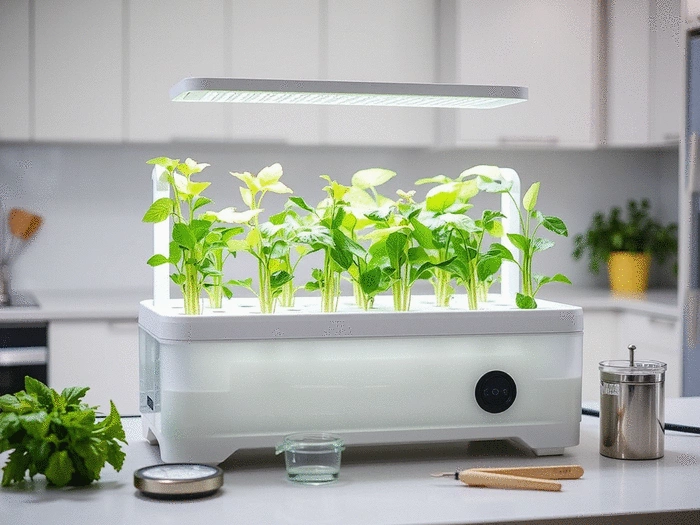
Hydroponic systems can be tailored to fit your space and gardening goals. Whether you're looking to grow herbs on your kitchen counter or manage a larger indoor garden, hydroponics offers flexible solutions.
The Advantages of Hydroponic Systems
Using hydroponics brings several key advantages, especially for those of us who want to maximize our gardening potential. Here are some of the standout benefits:
Space Saving: Hydroponics systems can be compact, making them ideal for small areas.
Fewer Pests: With no soil, the chances of soil-borne pests are greatly reduced.
Consistent Quality: Control over nutrient levels leads to consistently high-quality produce.
Additionally, hydroponics can also minimize environmental impacts. By conserving water and eliminating the need for chemical pesticides, we can grow our food sustainably. How wonderful is it to know that your gardening practices can help the planet too?
The Role of Nutrient Solutions in Hydroponic Gardening
In hydroponics, the plants' nutrition comes from a carefully balanced nutrient solution. This solution often includes essential nutrients such as nitrogen, phosphorus, and potassium, among others. It’s a game-changer for anyone looking to ensure their plants thrive!
Customizable Nutrients: You can tailor your nutrient mix based on the specific needs of your plants.
Immediate Availability: Nutrients are readily available to the plants, promoting faster growth.
Easy Monitoring: You can easily check and adjust nutrient levels as needed.
The right nutrient solution can significantly affect your plants' growth and yield. Trust me, selecting the right mix is one of the most critical steps in successful hydroponic gardening!
Exploring Different Hydroponic Systems: DWC, NFT, and More
As you dive into the world of hydroponics, you’ll find various systems to choose from. Each has its unique features and benefits! Let’s take a quick look at some popular hydroponic systems:
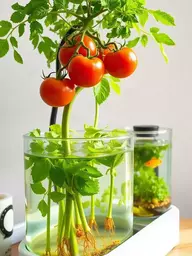
Deep Water Culture (DWC): Plants are suspended in a nutrient solution with their roots submerged.
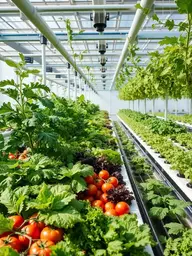
Nutrient Film Technique (NFT): A thin film of nutrient solution is continuously circulated over the roots.
Kratky Method: A simple, passive system that doesn’t require pumps, perfect for beginners!
Choosing the right system depends on your space, budget, and gardening goals. Experimenting with different hydroponic methods can lead to incredible results and keep your gardening journey exciting!
Pro Tip
To maximize your hydroponic success, consider investing in a pH meter. Maintaining the right pH level (typically between 5.5 and 6.5) is crucial for nutrient absorption. A balanced pH ensures your plants get the most benefit from the nutrient solution you provide, leading to healthier and more productive growth!
Frequently Asked Questions About Hydroponics
Here are some common questions about hydroponics to help you better understand this innovative gardening method:
Q: What is hydroponics?
A: Hydroponics is a method of growing plants without soil, using nutrient-rich water instead. The essential nutrients are dissolved directly in the water, allowing plants to absorb them efficiently.
Q: What are the main benefits of hydroponics?
A: Key benefits include faster plant growth, significantly less water usage compared to traditional gardening, reduced risk of soil-borne pests, space-saving designs, and consistent quality of produce due to precise nutrient control.
Q: How does hydroponics conserve water?
A: Hydroponic systems, particularly recirculating ones, reuse the nutrient solution. This closed-loop system drastically reduces water waste compared to soil-based gardening, where water can evaporate or drain away.
Q: What are some common types of hydroponic systems?
A: Popular systems include Deep Water Culture (DWC), where roots are submerged in nutrient solution; Nutrient Film Technique (NFT), where a thin film of solution flows over roots; the Kratky method, a passive system; and Aeroponics, which mists roots with nutrient solution.
Q: What role do nutrient solutions play in hydroponics?
A: Nutrient solutions provide all the essential minerals and elements that plants need to grow, as there is no soil to supply them. These solutions can be customized for specific plant needs and are easily monitored and adjusted to ensure optimal plant health and yield.
Transitioning from Beginner to Advanced Hydroponic Techniques
As you've started your journey with hydroponics, you might feel ready to take on more advanced techniques! Transitioning from basic systems to more sophisticated methods can enhance your gardening experience and yield. Let’s dive into the next steps that will elevate your hydroponic game.
Next Steps: Moving Beyond Basic Hydroponic Systems
Once you feel confident managing your first hydroponic setup, it’s time to explore more complex systems. Here are some methods you can consider:
Drip Systems: These systems deliver nutrient-rich water directly to the roots of your plants, ensuring efficient use of both water and nutrients.
Vertical Hydroponics: Ideal for small spaces, this method maximizes your growing area by stacking plants vertically.
Aeroponics: A futuristic technique that involves misting the roots of plants with nutrient solutions, promoting rapid growth.
Each of these systems has its unique benefits, and as a passionate gardener, I encourage you to experiment with what fits your space and plants best. Remember, the journey is part of the fun!
Resources for Continued Learning and Community Support in Hydroponics
To truly excel in hydroponics, staying informed and connected is vital. Here are some fantastic resources I recommend:
Online Forums: Sites like Reddit and dedicated hydroponics communities are great for sharing experiences and asking questions.
Webinars and Workshops: Look for local gardening clubs or online webinars that focus on hydroponic techniques.
Books and Guides: Invest in a few reputable books on hydroponics—these can serve as excellent references as you grow.
Joining a community can provide support and open up opportunities for collaborative projects, which is always enriching! You can also find valuable educational materials, such as the Exploring Hydroponics: A Classroom Lesson Guide, which offers great insights into the science and practice of hydroponics.
Hydroponic DIY Projects for Enthusiasts
If you're feeling adventurous, why not take on some DIY hydroponic projects? Not only can they save you money, but they also give you hands-on experience. Here are a few ideas to get your creative juices flowing:
DIY Nutrient Film Technique (NFT) System: A fun project that allows you to create a system where nutrient solution flows over the roots of the plants.
Building a Vertical Garden: Use recycled materials to create an eco-friendly vertical garden that looks great and saves space.
Creating a Hydroponic Drip System: This project utilizes simple parts to design your own efficient drip irrigation system.
These projects can be tailored to your skill level, so don’t hesitate to get started! For more detailed instructions and inspiration, check out this comprehensive guide to DIY hydroponic gardens. Remember, at All American Gardeners, we’re here to support your journey every step of the way!
Final Thoughts and Getting Started with Hydroponics
As we wrap up, it's essential to reflect on the key insights we've covered that will help you succeed in hydroponics. Whether you're a budding gardener or an advanced enthusiast, there’s always room for growth and exploration!
Recap of Key Insights for Aspiring Hydroponic Farmers
To summarize, here are the key takeaways for your hydroponic journey:
Start small and gradually explore advanced systems as you gain confidence.
Utilize community resources and support networks for continued learning.
Engage in DIY projects to deepen your understanding and enhance creativity!
Each step is an opportunity to learn and grow, and I’m excited for you to see where this journey takes you!
Call to Action: Start Your Hydroponic Journey Today!
Are you ready to take the plunge into hydroponics? Dive in and create a thriving, efficient garden that not only provides fresh produce but also sparks joy and satisfaction! Don’t forget to check out our resources at All American Gardeners, where we provide tips, guides, and product recommendations tailored for every gardener. Happy growing!
Recap of Key Points
Here is a quick recap of the important points discussed in the article:
Hydroponics allows for soil-free plant growth using nutrient-rich water, leading to faster and healthier plants.
Key advantages include space-saving designs, reduced pest issues, and consistent quality of produce.
Nutrient solutions are customizable, readily available to plants, and easy to monitor for optimal growth.
Various hydroponic systems like DWC, NFT, and aeroponics offer different benefits depending on your gardening goals.
Engaging in DIY projects can enhance your understanding and creativity in hydroponics.
Subscribe & Share
2026-08-28
Growing Herbs with Hydroponics
Why settle for store-bought herbs when you can grow your own at home, in any space? Hydroponic garde
2026-08-27
Growing Sweet Corn from Seeds
Ready to transform your gardening experience? Selecting the right sweet corn seeds can make all the
Growing Your Own Garlic Bulbs
As you prepare to embark on your journey of growing garlic, consider this: garlic cultivation isn't
All American Gardeners
Your premier online resource for mastering home gardening across the U.S. We empower American home gardeners with expert tips, step-by-step guides, and sustainable practices for thriving outdoor spaces.
Trusted by gardeners nationwide, our mission is to provide reliable, easy-to-follow insights backed by Clara M. Greene's extensive horticulture experience and practical advice.