Herbs for Full Sun Gardens
Posted on: 2026-09-22
By: Clara M. Greene
Have you ever wondered how a simple herb can transform a dish from bland to bursting with flavor? Understanding the sunlight needs of your herbs could be the key to culinary success and a flourishing garden.
What You Will Learn
- Full sun means at least 6 hours of direct sunlight daily, essential for strong herb growth.
- Herbs like rosemary and basil thrive in sunny conditions, enhancing their flavor and aroma.
- Sunlight boosts photosynthesis, leading to healthier, faster-growing, and more disease-resistant plants.
- Choosing the right herbs based on their sunlight requirements can optimize your gardening experience and culinary results.
Understanding Full Sun Requirements for Herbs
The success of an herb garden hinges on understanding sunlight needs. The visual below outlines key aspects of "full sun" for herbs and highlights popular varieties that thrive in such conditions. For a more in-depth look at cultivating these aromatic plants, explore our guide on growing your own herb garden.
Definition & Importance
Full Sun Requirement
Minimum 6 hours of direct sunlight daily.
- ✓ Stronger growth & richer flavors.
- ✓ Increased essential oils & aroma.
- ✓ Improved pest & disease resistance.
Top Choices
Herbs Thriving in Full Sun
These herbs are known for their robust growth and intense flavors when exposed to ample sunlight.
- • Sage, Chives, Dill
- • Lavender, Cilantro, Mint
Understanding Full Sun Requirements for Herbs
As a passionate gardener, I've learned that understanding the light requirements of your plants is essential for a thriving garden. When it comes to herbs, full sun means they need a minimum of 6 hours of direct sunlight each day. But why is this crucial? Let’s dive into the details!
Definition of Full Sun: How Much Light Do Herbs Need?
Full sun is often defined as the type of sunlight that offers at least six hours of direct exposure daily. This light is vital for herbs to grow strong and flavorful. In shaded areas or low-light conditions, herbs may become weak and leggy, failing to develop their full potential. So, if you're aiming for a bountiful herb garden, ensuring they soak up enough sunlight is key!
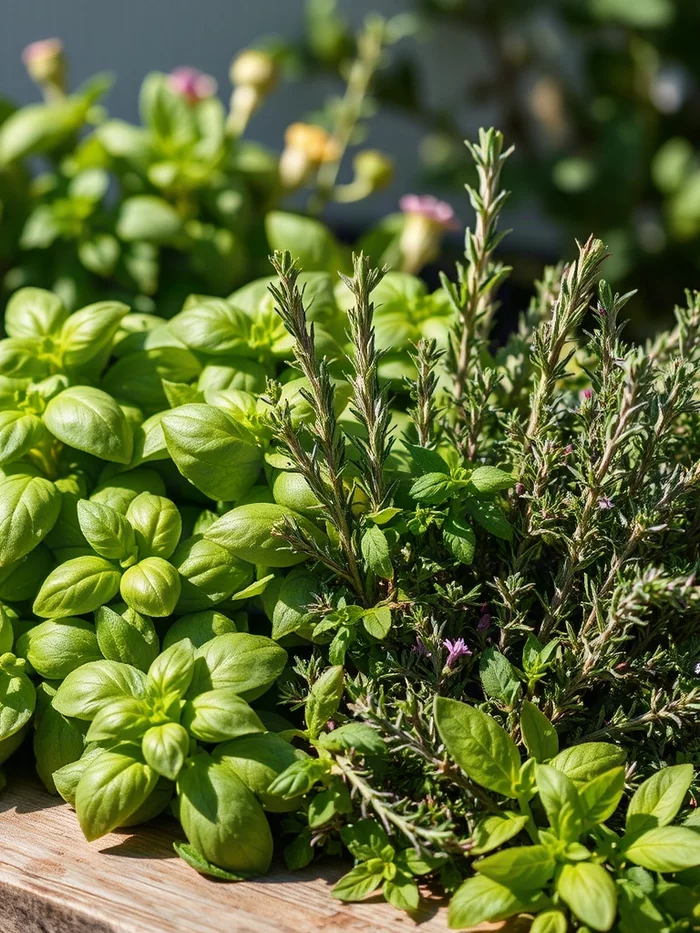
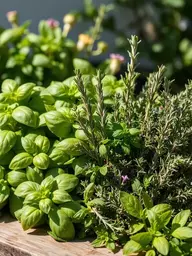
- Herbs like rosemary and basil flourish in full sun.
- Shaded herbs may produce less aromatic oils, affecting flavor.
- Proper sunlight exposure leads to healthier, disease-resistant plants.
By placing your herbs in a sunny spot—whether it’s a dedicated garden bed or a sunny balcony—you’ll be on your way to enjoying the full benefits of your garden. So, let’s explore some of those benefits!
The Benefits of Growing Herbs in Full Sunlight
Growing herbs in full sunlight has several exciting benefits that can elevate your gardening game. First and foremost, herbs grown in full sun produce more essential oils, leading to richer flavors and aromas. Imagine adding fresh basil to your pasta sauce, bursting with flavor—it's a game-changer! To further enhance the health of your plants and protect them from common issues, refer to our comprehensive guide on natural pest control for gardens.
- Increased flavor and aroma in culinary herbs.
- Stronger growth and healthier plants.
- Improved resistance to pests and diseases.
Moreover, sunlight helps stimulate photosynthesis, allowing your herbs to grow faster and more robustly. With these advantages, why wouldn’t you want to harness the power of the sun in your herb garden?
Top Herbs That Thrive in Full Sun Conditions
Now that we’ve covered the importance of sunlight, let’s talk about the herbs that truly thrive in these sunny conditions. Here are some popular choices for your sunny garden!
Popular Choices for Sunny Gardens
When selecting herbs to grow in full sun, consider these favorites that not only flourish but also add incredible flavors to your meals!
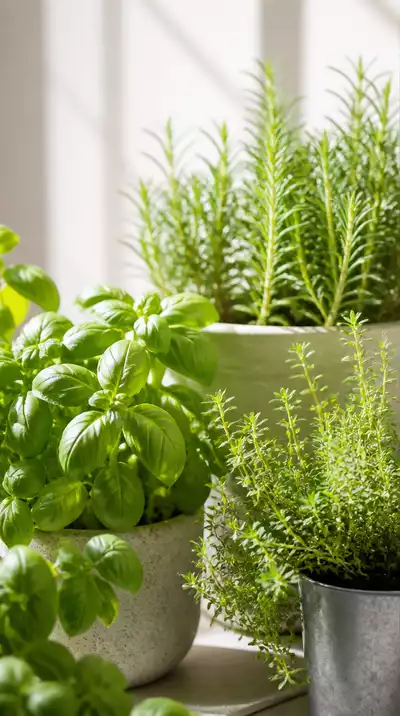
- Rosemary: A Mediterranean classic that’s hardy and aromatic.
- Thyme: Versatile and flavorful, perfect for seasoning.
- Basil: An essential herb for countless culinary uses.
- Oregano: A must-have for Italian dishes.
Rosemary: A Mediterranean Classic
Rosemary is not just a lovely herb; it's also incredibly resilient in sunny conditions. Its robust flavor makes it a staple in Mediterranean cuisine!
Thyme: Versatile and Flavorful
Thyme is another gem that thrives in full sun. Its tiny leaves pack a punch of flavor, making it perfect for everything from soups to roasted veggies!
Basil: Essential for Culinary Use
Basil is often considered the king of herbs for a reason! It loves sunlight and adds a fresh, peppery taste to dishes like pesto and salads.
Oregano: A Must-Have for Italian Dishes
Lastly, oregano is a crowd favorite in sunny gardens. This herb is packed with flavor and complements many Italian recipes. For more tips on nurturing your plants, check out our year-round plant care guide.
Additional Full Sun Herbs Worth Considering
If you're looking to expand your herb garden further, consider these additional sun-loving herbs that can enhance your culinary adventures:
- Sage: A hardy herb perfect for various dishes.
- Chives: Easy to grow and maintain, they add a mild onion flavor.
- Dill: A favorite for pickling and salads.
- Lavender: Not just aromatic, but attractive to pollinators too!
- Cilantro: A fresh addition to many culinary delights.
- Mint: Versatile for flavor and fragrance, it thrives in the sun!
Each of these herbs brings unique flavors to your kitchen, so don’t hesitate to mix and match based on your preferences!
Pro Tip
To maximize the growth and flavor of your full sun herbs, consider rotating their planting locations each season. This practice not only prevents soil depletion but also reduces the risk of pests and diseases, ensuring your herbs remain healthy and vibrant!
Making Informed Choices for Your Herb Garden
When planning your herb garden, it’s essential to make informed choices that cater to your specific needs and preferences. Whether you’re aiming to create flavorful culinary dishes or explore the therapeutic benefits of medicinal herbs, understanding the unique characteristics of each herb will help you select the best options for your garden.
As a passionate gardener, I often recommend starting with a clear framework to guide your selections. Consider the intended use of your herbs, their growing requirements, and how they’ll fit into your overall garden plan. This approach not only maximizes the potential of your garden but also enhances your gardening experience!
Framework for Selecting Herbs Based on Use Case
To simplify your herb selection process, here’s a handy framework to follow:
- Culinary herbs: Consider what flavors you love in your cooking. Common choices include basil, rosemary, and thyme for savory dishes.
- Medicinal herbs: If you’re interested in herbal remedies, look at options like chamomile or echinacea, known for their soothing properties.
- Aesthetic herbs: Herbs like lavender not only provide culinary benefits but also add beauty to your garden while attracting pollinators.
- Space and sunlight: Evaluate the amount of sunlight and space available. Container gardening might be ideal for herbs like mint and chives.
This framework allows you to tailor your garden to fit your lifestyle while optimizing the health and productivity of your plants. Remember that mixing different use cases can create a more diverse and vibrant garden!
Frequently Asked Questions About Full Sun Herbs
As I engage with fellow gardeners at All American Gardeners, I often hear a few recurring questions about full sun herbs. Here are some quick answers to help you navigate your gardening journey:
FAQs about Full Sun Herbs
Here are some frequently asked questions about growing herbs in full sun:
- What does "full sun" mean for herbs? Full sun means your herbs need at least 6 hours of direct sunlight every day to grow optimally and develop rich flavors.
- Why is full sun important for herbs? Direct sunlight promotes robust growth, increases the production of essential oils for better flavor and aroma, and enhances the plant's resistance to pests and diseases.
- Which herbs prefer full sun? Popular herbs that thrive in full sun include Rosemary, Thyme, Basil, Oregano, Sage, Chives, Dill, Lavender, Cilantro, and Mint.
- Can herbs get too much sun? While most sun-loving herbs can tolerate intense sun, some may benefit from partial shade during the hottest parts of the day in extremely hot climates to prevent scorching.
- What are the signs that my herbs aren't getting enough sun? Herbs that lack sufficient sunlight may appear leggy (stretched out with sparse leaves), have pale leaves, and produce less intense flavors and aromas. Their growth may also be stunted.
- How can I ensure my indoor herbs get enough full sun? For indoor herbs, place them in a south-facing window or supplement natural light with grow lights for 6-8 hours daily to mimic full sun conditions.
Addressing these questions early on can save you time and effort, helping you establish a successful herb garden that meets your culinary or medicinal needs!
Understanding the Unique Needs of Culinary vs. Medicinal Herbs
Culinary and medicinal herbs each have distinct requirements that can affect how and where you grow them. Understanding these needs is key to nurturing a thriving herb garden.
- Culinary herbs: These herbs often benefit from regular trimming and harvesting to encourage new growth. Frequent use can lead to a more flavorful herb.
- Medicinal herbs: These may need less frequent cutting but require careful attention to their specific watering and soil needs to maximize their health benefits.
By recognizing these differences, you can create a more effective care routine for your herbs, ensuring that each plant reaches its full potential. This tailored approach is what makes gardening such a rewarding experience!
Recap of Key Points
Here is a quick recap of the important points discussed in the article:
- Herbs require a minimum of 6 hours of direct sunlight each day to thrive.
- Growing herbs in full sun enhances their flavor and aroma, leading to richer culinary experiences.
- Popular herbs that thrive in full sun include rosemary, basil, and thyme, among others.
- Making informed choices based on the intended use of herbs can maximize garden productivity.
- Understanding the unique needs of culinary versus medicinal herbs is crucial for successful growth.
Final content section.
 As the world shifts towards more sustainable practices, hydroponic irrigation emerges as a revolutio
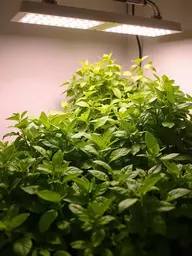 Understanding hydroponic grow lights can truly transform your indoor gardening success. With the rig
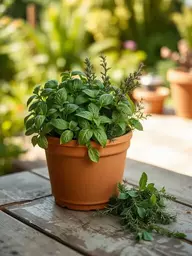 As you embark on your gardening journey, consider this: the type of pot you choose can profoundly im
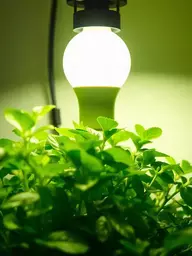 Did you know that the right hydroponic lighting can significantly boost your crop yield? Selecting a
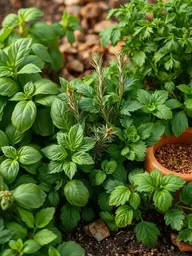 Looking to transform your herb garden into a flourishing oasis? By understanding the nuances of herb
 Have you ever wondered how a simple herb can transform a dish from bland to bursting with flavor? Un