Companion Planting
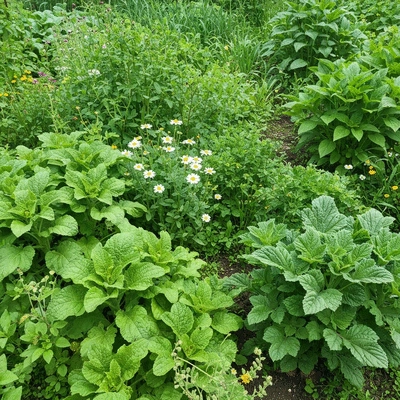
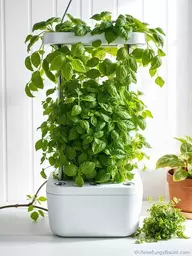
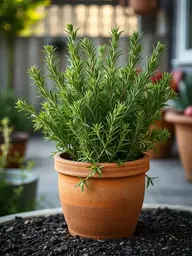
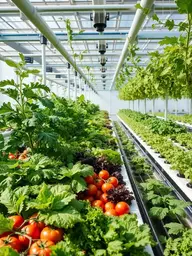
Strategic planting of specific species together to naturally deter pests. For example, basil with tomatoes to ward off thrips.
- Lavender: Deters moths
- Mint: Repels ants & aphids
- Rosemary: Keeps cabbage moths away
Join Clara M. Greene's community for expert tips and seasonal guides tailored for American gardeners.
Posted on: 2026-03-10
By: Clara M. Greene
As we embrace the joys of gardening, have you ever considered how your pest control methods impact not only your plants but the environment as well? Discover the benefits of organic pest control and transform your garden into a thriving ecosystem.
This visual summarizes key organic pest control strategies, highlighting their primary benefits and applications for a healthier garden ecosystem. For those new to sustainable practices, understanding these methods is a great starting point for organic gardening tips for beginners.
Strategic planting of specific species together to naturally deter pests. For example, basil with tomatoes to ward off thrips.
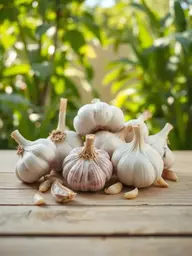
Homemade solutions using common ingredients to manage pests. Often easy to prepare and safe.
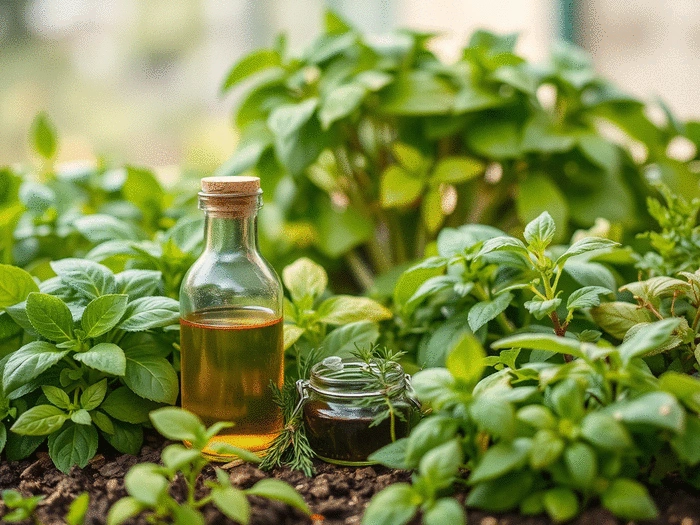
Natural repellents like citronella, eucalyptus, and peppermint to keep pests at bay. Also add pleasant scents.
Targeted organic solutions for pest management, each with unique mechanisms.
As a passionate gardener, I truly believe that nurturing our gardens should involve methods that are safe for our families and the environment. That’s why I’m excited to discuss organic pest control. This approach not only protects our precious plants but also contributes to a healthier ecosystem. Unlike synthetic chemicals, organic methods ensure that our gardens remain safe for pets and children while promoting long-term soil health.
By choosing organic pest control, we’re making a commitment to the planet. Chemical pesticides can leave a lasting impact on the environment, affecting everything from soil to water quality. A garden treated with organic methods often fosters a thriving habitat for beneficial insects, which in turn enhances our gardens’ natural biodiversity.
Moreover, using organic techniques can lead to better tasting and more nutritious produce. When we take the time to cultivate our gardens sustainably, we ultimately reap the rewards in flavor and health benefits. It’s a win-win, wouldn’t you agree?
As we embark on our gardening journey, it’s essential to understand the potential threats to our plants. Common pests such as aphids, whiteflies, caterpillars, and slugs can wreak havoc in our gardens. Aphids, for example, suck sap from plants, leading to stunted growth and distorted leaves. Similarly, caterpillars can completely defoliate your favorite plants, leaving them vulnerable. For more detailed solutions, check out our guide on effective natural pest control tips.
Recognizing these pests early on can significantly mitigate their impact. Slugs can be particularly troublesome, especially in moist conditions, as they feast on seedlings and tender plants. The key is to stay vigilant and employ organic strategies that deter these pests before they take control!
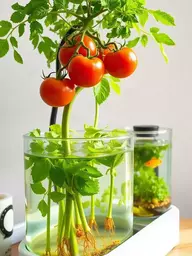
One of my favorite organic strategies is companion planting. This technique involves growing certain plants together to naturally repel pests. For instance, planting basil alongside tomatoes not only enhances the flavor of your tomatoes but also wards off pesky insects like thrips.
These plants not only serve a practical purpose but also add beauty and diversity to our gardens. By thoughtfully selecting companions, we can create a thriving ecosystem that benefits our plants and ourselves!
Another effective method to manage pests is by making your own organic pest control sprays. These homemade solutions are often easy to prepare and use common household ingredients. For example, a simple garlic spray can deter a variety of pests. You just need garlic cloves, water, and a bit of dish soap!
Here’s how to create a basic garlic spray:
These natural sprays can be a game-changer! Just remember to test on a small area first to ensure your plants respond well.
Essential oils are fantastic allies in organic pest control. Oils like citronella, eucalyptus, and peppermint serve as natural repellents, keeping unwanted pests at bay. I love using essential oils not just for their pest-fighting properties but also for the pleasant scents they bring to my garden!
In addition to being effective, these natural solutions are a delight to use and contribute to a more soothing gardening experience!
Neem oil is another powerful organic pest control solution. Extracted from the seeds of the neem tree, it disrupts the life cycles of pests, making it difficult for them to feed and reproduce. Additionally, diatomaceous earth works wonders by causing physical damage to pests, dehydrating them as they come into contact with it.
Insecticidal soap and pyrethrin are other effective organic options. Insecticidal soap works by suffocating soft-bodied insects, while pyrethrin, derived from chrysanthemum flowers, paralyzes insects on contact. These methods are particularly useful for treating outbreaks and can be safely used on edible plants. Knowing how to apply these and other treatments is a key part of plant care tips for home gardeners.
By understanding these organic pest control methods, we can take significant strides toward maintaining healthy gardens. It’s not just about protecting our plants; it’s about fostering an environment where nature thrives!
Here are some common questions about organic pest control to help you on your gardening journey:
What organic pest control methods have you tried, and how effective were they? Share your thoughts below:
As we wrap up our discussion on organic pest control, it's essential to remember the key strategies we've explored. By choosing organic methods, you are not only protecting your garden but also ensuring a safe environment for your loved ones and pets. Think about the benefits we've highlighted: improved soil health, reduced environmental impact, and the promotion of biodiversity in your garden. These practices build a resilient ecosystem that can naturally fend off pests!
To summarize, here are the main strategies you can adopt for effective organic pest control:
By implementing these strategies, you will foster a flourishing garden while aligning with sustainable practices. Remember, every garden is unique, so feel free to experiment and find what works best for you!
Now that you have a solid understanding of organic pest control methods, it's time to take action! I encourage you to start implementing these strategies in your garden. Whether you're a beginner or a seasoned gardener, every small step counts. Begin with companion planting, or whip up a batch of garlic spray to tackle those pesky aphids. The journey of nurturing your garden is just as rewarding as the harvest itself!
I'd love to hear about your adventures in organic pest control! Have you tried any of the methods we've discussed? What worked for you, and what challenges did you face? Please share your experiences and tips in the comments below! By sharing, we can build a strong community of gardeners at All American Gardeners who support and learn from each other. For more comprehensive insights, consider exploring our guide on top organic fertilizers for vegetables to further enhance your garden's health. Together, we can cultivate lush, thriving gardens across the nation!
Here is a quick recap of the important points discussed in the article: