Cultivate Your Best Garden!

Join Clara M. Greene's community for expert tips and seasonal guides tailored for American gardeners.

Top Organic Fertilizers for Vegetables


10 Best Organic Fertilizers for Thriving Vegetables in American Gardens

Posted on: 2026-02-18
By: Clara M. Greene


What if you could transform your garden into a thriving ecosystem while growing healthier vegetables? Embracing organic fertilizers is the first step on that journey!

What You Will Learn

  • Organic fertilizers are derived from natural sources, promoting soil health without harsh chemicals.
  • Healthy soil provides essential nutrients, supports root development, and retains moisture.
  • Incorporating compost, mulch, and worm castings enhances soil quality and plant growth.
  • Sustainable gardening practices lead to long-term soil fertility and reduce environmental impact.
  • Using organic fertilizers increases crop yield and enhances the nutritional value of vegetables.

The Pillars of Organic Gardening

Embracing organic fertilizers brings a multitude of benefits, from nurturing soil health to enhancing crop yield. Below, discover the core components and long-term advantages that define successful organic gardening practices.

Defining Organic Fertilizers

  • Natural Ingredients
  • Slow Release Nutrients
  • Improves Soil Health

Key Components of Organic Matter

  • Compost
  • Mulch
  • Worm Castings

Sustainable Practices Impact

  • Enhanced Soil Structure
  • Increased Biodiversity
  • Reduced Chemical Runoff

Benefits for Crop Yield & Nutrition

  • Natural Nutrients Release
  • Improved Flavor & Resistance
  • Better Water Retention

Understanding Organic Fertilizers for Vegetable Gardens

Welcome to the world of organic gardening! As we delve into the fascinating realm of organic fertilizers, it's essential to understand what makes them a critical component of successful vegetable gardening. Organic fertilizers not only nourish your plants but also contribute to a healthier ecosystem. Let’s explore what organic fertilizers are all about and why they matter for your garden!

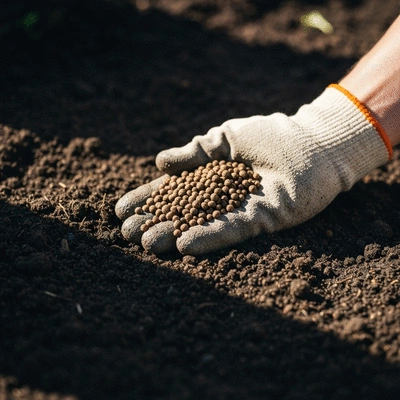
Close-up of healthy soil with organic fertilizer being mixed in

Defining Organic Fertilizers: What You Need to Know

Organic fertilizers come from natural sources, providing your soil and plants with nutrients without the harsh chemicals found in synthetic options. These fertilizers can be derived from a variety of organic materials, such as animal manure, compost, and plant residues. They release nutrients slowly, making them available to plants over time, which is fantastic for maintaining soil health!

  • Natural Ingredients: Derived from plants and animal matter.
  • Slow Release: Nutrients become available over time.
  • Soil Health: Improves structure and promotes microbial activity.

Using organic fertilizers also supports sustainable practices by reducing the reliance on chemical inputs. This approach aligns perfectly with our mission at All American Gardeners, where we advocate for eco-friendly gardening methods that help you grow healthy vegetables while nurturing the environment. If you're just starting, check out our organic gardening tips for beginners to get started on the right foot.

The Importance of Soil Health in Vegetable Gardening

Soil health is the foundation of any thriving vegetable garden. Healthy soil provides essential nutrients, supports root development, and retains moisture. When we prioritize soil health, we set the stage for our plants to flourish, making our gardening efforts more rewarding and productive.

  • Nutrition Supply: Healthy soil supports robust plant growth.
  • Water Retention: A well-balanced soil retains moisture efficiently.
  • Microbial Activity: Beneficial organisms thrive in healthy soil.

As a gardener, I’ve seen firsthand how improving soil health leads to bountiful harvests. Remember, it’s not just about what you plant, but how you nurture the ground beneath those plants that makes all the difference!

Key Components of Organic Matter in Your Garden

To create a vibrant and productive garden, it’s essential to enrich your soil with organic matter. This includes a blend of plant materials, animal waste, and microorganisms that work in unison to enhance soil quality. Here are some key components to consider:

  • Compost: Decomposed organic materials that enrich the soil.
  • Mulch: Helps retain moisture and suppress weeds.
  • Worm Castings: Nutrient-rich byproducts from worms, boosting plant growth.

By incorporating these elements into your soil, you not only improve its structure but also create an environment where your vegetables can thrive. At All American Gardeners, we believe that the journey to a flourishing garden starts with a solid foundation, and understanding these organic components is key to achieving that! For more insights on soil improvement, consider learning about choosing the right gardening seeds to pair with your healthy soil.

Pro Tip

Did you know? Incorporating worm castings into your soil can significantly boost nutrient availability and enhance plant growth? These nutrient-rich byproducts improve soil structure and moisture retention, making them an excellent addition to your organic gardening practices!

Long-Term Benefits of Using Organic Fertilizers

Using organic fertilizers in your vegetable garden goes beyond just immediate results. It’s about fostering a healthy ecosystem that can thrive for years to come. The journey of nurturing your plants with organic methods not only boosts productivity but also aligns with sustainable practices that benefit the environment.

When you choose organic fertilizers, you’re making a commitment to sustainable gardening practices that can have a profound impact on your garden's health. These practices reduce the need for synthetic chemicals, promote biodiversity, and contribute to soil health over time. Isn’t it wonderful to think about the harmony of nature working alongside your gardening efforts?

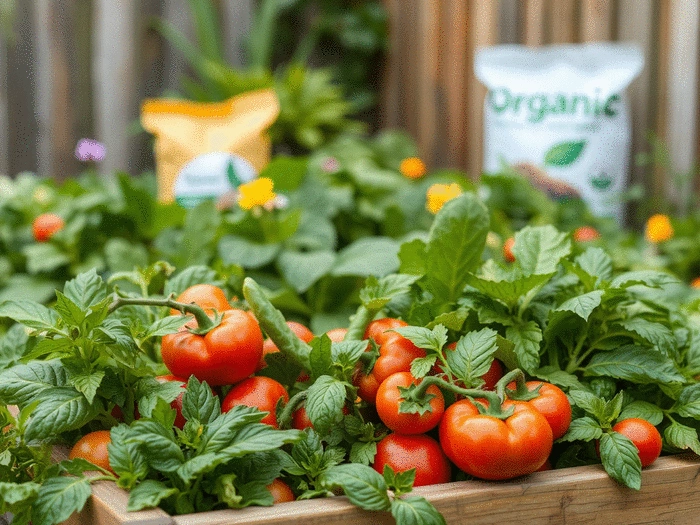
Vibrant vegetable garden with various plants thriving in healthy soil

Sustainable Gardening Practices and Their Impact

Let’s dive deeper into what sustainable gardening really means! By incorporating organic fertilizers, we’re helping to maintain balance within our gardens and the larger ecosystem. Here are some key impacts of sustainable gardening:

  • Enhanced soil structure: Organic fertilizers improve soil aeration and drainage.
  • Increased biodiversity: They promote the presence of beneficial microorganisms.
  • Reduction of chemical runoff: This protects surrounding water sources.
  • Long-term fertility: Organic matter builds up over time, enriching soil naturally.

This holistic approach allows gardeners like you to create a thriving environment for not just your vegetables, but also for wildlife and beneficial insects. The more we understand our role in this ecosystem, the better our gardens will flourish!

Building Healthy Soil for Future Generations

Healthy soil is the foundation of a successful garden. By focusing on organic fertilizers, you're investing in the soil's long-term vitality. One of my favorite practices is to add compost each season, which continues to enrich the soil with nutrients and enhances its structure.

Consider these practices to build healthy soil:

  • Regular composting: Add kitchen scraps and garden waste to enrich soil.
  • Cover cropping: Plant cover crops during off-seasons to prevent erosion.
  • Crop rotation: Rotate your vegetables to avoid nutrient depletion.
  • Mulching: Use organic mulch to retain moisture and suppress weeds.

By prioritizing soil health today, we are nurturing the ground for future gardeners and generations. Imagine the joy of your grandchildren tending to a garden enriched by your efforts! For more comprehensive guidance, explore our article on plant care tips for home gardeners.

Enhancing Crop Yield and Nutritional Value of Vegetables

The benefits of using organic fertilizers extend to the yield and nutritional value of your crops. When plants are nourished organically, they tend to produce healthier, more nutrient-dense vegetables that are not just good for our bodies but also taste better!

Here are some reasons organic fertilizers enhance crop yield:

  • Natural nutrients: Organic fertilizers release nutrients slowly, providing a steady supply to plants.
  • Improved flavor: Many gardeners, including myself, find that organic produce tastes richer and more vibrant.
  • Increased resistance: Healthier plants are more resilient to pests and diseases.
  • Better water retention: Organic matter helps soil hold moisture, which is crucial for plant growth.

Incorporating organic fertilizers into your gardening routine not only leads to bountiful harvests but also enhances the flavor profiles of your vegetables. Trust me—once you taste the difference, you'll never look back!

Frequently Asked Questions About Organic Fertilizers

What are organic fertilizers?
Organic fertilizers are derived from natural sources, such as animal manure, compost, and plant residues, providing nutrients to plants and soil without synthetic chemicals.
Why is soil health important for vegetable gardening?
Healthy soil is crucial because it provides essential nutrients, supports strong root development, retains moisture effectively, and fosters beneficial microbial activity, all of which contribute to robust plant growth.
What are the key components of organic matter for a garden?
Key components include compost (decomposed organic materials), mulch (for moisture retention and weed suppression), and worm castings (nutrient-rich byproducts that boost plant growth).
What are the long-term benefits of using organic fertilizers?
Long-term benefits include enhanced soil structure, increased biodiversity, reduced chemical runoff, sustained soil fertility, healthier crops, and improved nutritional value and flavor of vegetables.
How do organic fertilizers enhance crop yield and nutritional value?
Organic fertilizers release nutrients slowly, providing a steady supply, which leads to healthier, more nutrient-dense vegetables with improved flavor and increased resistance to pests and diseases, alongside better water retention.

Recap of Key Points

Here is a quick recap of the important points discussed in the article:
  • Organic Fertilizers: Derived from natural sources like compost and manure, they nourish plants without harmful chemicals.
  • Soil Health: Healthy soil is crucial for robust plant growth, retaining moisture, and supporting beneficial microbial activity.
  • Organic Matter: Key components like compost, mulch, and worm castings enhance soil quality and plant vitality.
  • Sustainable Gardening: Practices such as reducing chemical use and promoting biodiversity create a balanced ecosystem.
  • Long-Term Benefits: Using organic fertilizers leads to healthier, more nutrient-dense vegetables and a thriving garden environment.

Subscribe & Share
Growing Your Own Herb Garden Herb Garden Ever thought about the joy of nurturing your own herb garden? It's not just about cooking; it's a ga
Plant Care Tips for Home Gardeners Ultimate Guide to Plant Care for American Home Gardeners What if your garden could not only thrive but also play a vital role in your local ecosystem? Unders
Gardening with Burpee Seeds burpee gardening Starting your gardening journey can feel overwhelming, but with the right tools and knowledge at you
Banner
All American Gardeners

Your premier online resource for mastering home gardening across the U.S. We empower American home gardeners with expert tips, step-by-step guides, and sustainable practices for thriving outdoor spaces.

Trusted by gardeners nationwide, our mission is to provide reliable, easy-to-follow insights backed by Clara M. Greene's extensive horticulture experience and practical advice.

Cultivate Your Garden
Recent Posts
Herb Garden Growing Your Own Herb Garden

Ever thought about the joy of nurturing your own h

Ultimate Guide to Plant Care for American Home Gardeners Plant Care Tips for Home Gardeners

What if your garden could not only thrive but also

burpee gardening Gardening with Burpee Seeds

Starting your gardening journey can feel overwhelm

Gardening Wisdom from All American Gardeners