Understanding Crop Rotation
- ✓Improves Soil Fertility
- ✓Reduces Pest & Disease Pressure
- ✓Enhances Biodiversity
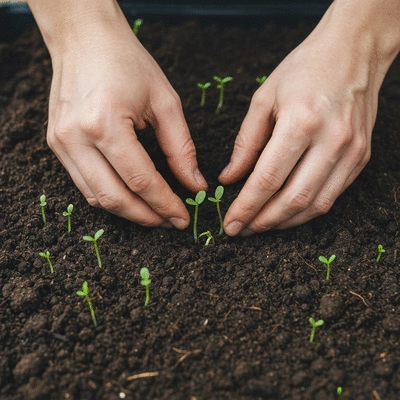
Balances soil nutrients & disrupts pest cycles.
Join Clara M. Greene's community for expert tips and seasonal guides tailored for American gardeners.
Posted on: 2026-02-15
By: Clara M. Greene
What if your garden could thrive without synthetic chemicals? Organic gardening not only nurtures your plants but also cultivates a healthier planet. Dive into the world of sustainable gardening practices and discover how to grow your green thumb!
Delve into the core elements that ensure a flourishing, chemical-free garden, focusing on soil health, pest reduction, and sustainable practices.
Balances soil nutrients & disrupts pest cycles.
Protects plants & enhances garden beds.
Maximizes yield & flavor of produce.
Enhances experience & simplifies planning.
Welcome to the wonderful world of organic gardening! As a passionate gardener, I believe that understanding the fundamentals is key to growing a thriving garden without the use of chemicals. So, let’s dig into the basics of organic gardening and discover what this eco-friendly practice truly means!
At its core, organic gardening embraces a philosophy that promotes a healthy ecosystem. This means using natural processes and materials to grow your plants. Instead of relying on synthetic fertilizers and pesticides, we focus on nurturing the soil and utilizing natural pest management methods. This approach allows us to cultivate not just plants but also a sustainable and environmentally friendly gardening practice! For a comprehensive guide to getting started, the Penn State Extension offers valuable insights into the fundamentals of organic gardening.
By practicing organic gardening, you contribute to a healthier planet while enjoying the benefits of fresh, chemical-free produce right from your backyard!
Why go chemical-free? The answer is simple: our health and the health of the environment. By avoiding synthetic chemicals, we reduce harmful residues on our food and the surrounding ecosystem. Plus, organic gardening can enhance soil health and protect local wildlife species. At All American Gardeners, we advocate for these practices because they lead to a more balanced and sustainable horticultural experience. The USDA also provides excellent tips for starting an organic garden, emphasizing chemical-free methods.
When you choose to garden organically, you’re making a conscious choice that benefits you and the earth!
There are countless reasons to embrace organic gardening! Some of the most significant benefits include:
As you embark on your organic gardening journey, remember that each choice you make contributes to a greener future! Embracing these practices not only enriches your garden but also aligns with a more sustainable and eco-friendly lifestyle. For those interested in vegetable gardening, the Maine Organic Farmers and Gardeners Association offers fact sheets on the basics of organic vegetable gardening.
Creating an organic garden requires thoughtful preparation! Assessing your space is essential to ensure you have the best conditions for growth. In the upcoming sections, we’ll explore how to evaluate your gardening area, manage soil health, and set up your garden for thriving, chemical-free plants!
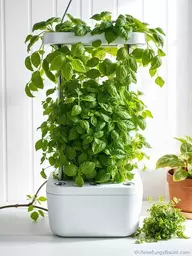
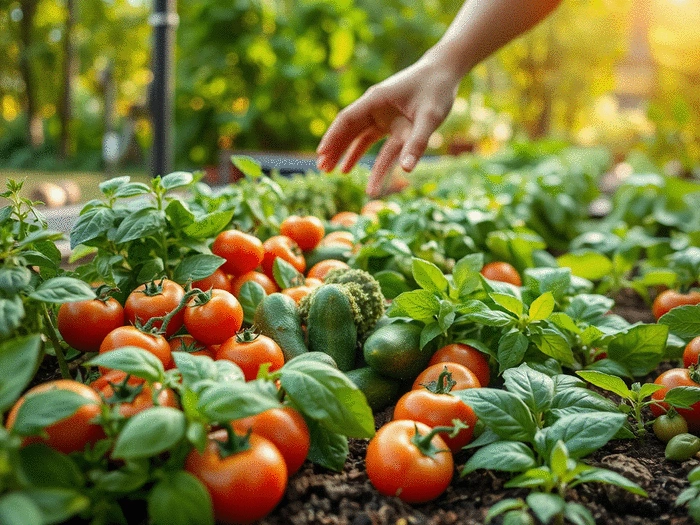
Did you know? Incorporating companion planting can enhance your organic garden's productivity! By pairing certain plants together, you can naturally repel pests and boost growth. For instance, planting basil alongside tomatoes can not only enhance the flavor of your tomatoes but also deter pests like aphids.
Once you’ve set up your organic garden, the journey doesn't stop there! Maintaining it is crucial for ensuring healthy plants and a fruitful harvest. With a little bit of care and attention, your garden can thrive season after season. Let’s dive into some essential practices for keeping your garden flourishing.
Crop rotation is a fundamental practice in organic gardening that helps maintain soil health and reduce pest issues. By rotating your crops, you can prevent the depletion of specific nutrients in the soil and discourage pests and diseases that tend to build up in soil over time. Here’s why it’s important:
As a gardener, I’ve seen the rewards of crop rotation firsthand. Not only does it produce healthier plants, but it also makes gardening much more interesting!
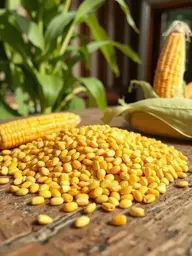
Harvesting your crops at the right time is essential for maximizing yield and flavor. It's all about knowing when your fruits and vegetables are ready. Here are some tips to ensure you get the most out of your garden:
When I first started, I often waited too long to harvest, and I learned the hard way that timing is everything! Trust me, you’ll want to savor the flavors of your freshly picked produce.
Mulching is an excellent way to protect your plants while enhancing soil quality. A good layer of mulch can help retain moisture, suppress weeds, and even improve the appearance of your garden beds. Here’s how to effectively use mulch:
Mulching has been a game-changer for my garden. It’s like giving your plants a cozy blanket that keeps them warm and happy!
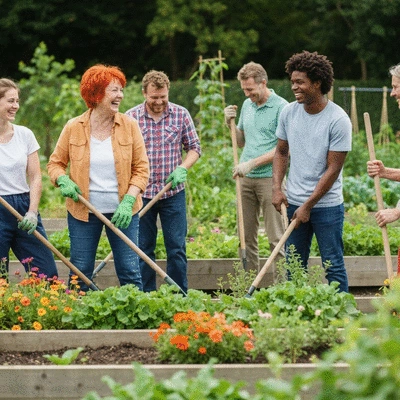
Gardening is not just about planting and harvesting; it’s also about community and resources. Engaging with fellow gardeners can enhance your experience immensely. Let’s explore some ways to connect and grow.
Joining a local gardening club or participating in online forums can provide invaluable support. You can share tips, ask questions, and even trade seeds!
I love connecting with other gardeners, as it often leads to new ideas and inspiration for my own garden. Plus, who doesn’t love sharing a good gardening story?
Visual aids can significantly enhance your gardening experience. They provide quick references and can help simplify complex information. Here are a few tools to consider:
I've found that using visuals not only makes gardening more fun but also helps me remember essential tips. It’s like having a roadmap for success!
In today’s digital age, gardening apps can be a fantastic resource for planning and maintaining your garden. They can provide reminders, track your plants’ growth, and even diagnose issues!
When I discovered gardening apps, it revolutionized how I managed my garden. With reminders and tips at my fingertips, I could focus more on enjoying my time outdoors!
Now that you’re armed with knowledge and resources, it’s time to embark on your organic gardening adventure. Let’s explore some practical steps to get started!
Starting an organic garden doesn’t have to break the bank! Here’s how you can keep costs down while still building a vibrant garden:
I remember when I first started, I was surprised at how much I could do with just a small budget and a bit of creativity. It’s all about making the most of what you have!
As you embark on this journey, you might have some lingering questions. Let’s address a few common ones:
To prepare your soil, start with a soil test to determine pH and nutrient levels. Amend with organic matter or fertilizers as needed, and ensure proper drainage.
Your first year will be a learning experience filled with both successes and challenges. Expect to experiment with different plants and practices as you discover what works best for your garden.
Many believe that organic gardening means no pest problems or that it’s too costly. In reality, organic gardening emphasizes sustainable practices that can be both effective and economical!
Here is a quick recap of the important points discussed in the article: