Cultivate Your Best Garden!

Join Clara M. Greene's community for expert tips and seasonal guides tailored for American gardeners.

Effective Natural Pest Control Tips


Natural Pest Control Methods That Actually Work for Home Gardens

Posted on: 2026-03-04
By: Clara M. Greene


What if I told you that by embracing natural pest control, you could not only protect your garden but also contribute to a healthier ecosystem? Discover the transformative benefits of eco-friendly gardening practices that make a difference!

What You Will Learn

  • Natural pest control methods reduce the need for harmful synthetic chemicals, promoting a healthier garden ecosystem.
  • Identifying common garden pests like aphids and spider mites is key to effective management and protection of your plants.
  • Successful natural pest control techniques include introducing beneficial insects and using homemade solutions like neem oil.
  • Implementing eco-friendly practices leads to long-term benefits such as healthier plants, improved soil health, and a balanced ecosystem.

Natural Pest Control Methods Overview

Here's a breakdown of common natural pest control methods, their benefits, and implementation tips for a thriving, eco-friendly garden. For those just starting their gardening journey, understanding these methods can be as crucial as learning about organic gardening tips for beginners.

Why Choose Natural Pest Control?

  • Eco-Friendly
  • Health Benefits
  • Cost-Effective
  • Promotes Beneficial Insects

Common Garden Pests

  • Aphids
  • Slugs
  • Spider Mites
  • Japanese Beetles
  • Whiteflies

Getting Started: Your Journey

  • Assess Your Garden
  • Choose Your Methods
  • Implement Gradually
  • Monitor & Adjust

Long-Term Benefits of Eco-Friendly Practices

  • Healthier plants
  • Balanced ecosystem
  • Reduced chemical usage
  • Improved soil health

Understanding Natural Pest Control for Home Gardens

As a passionate gardener, I know how important it is to maintain a healthy garden ecosystem. This is where natural pest control methods come into play! Not only do they help keep your plants safe from pesky invaders, but they also ensure that your garden remains a thriving habitat for beneficial insects and wildlife.

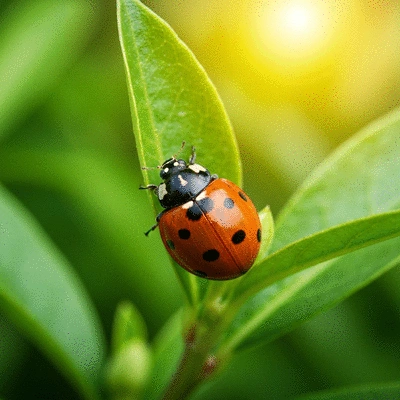
Close-up of a ladybug on a green leaf, symbolizing natural pest control

Choosing eco-friendly pest control methods significantly reduces the need for synthetic chemicals, which can harm the environment. By using natural solutions, we promote biodiversity and foster a healthier growing environment for our plants. Plus, many of these methods are easy to implement and can often be made from items you already have at home! For detailed guidance on caring for your plants, check out our plant care tips for home gardeners.

Why Choose Natural Pest Control Methods?

  • Eco-Friendly: Natural methods are safer for the environment.
  • Health Benefits: They reduce chemical exposure for you and your family.
  • Cost-Effective: Many homemade solutions can save you money.
  • Beneficial Insects: They promote a balanced ecosystem in your garden.

When we choose natural pest control, we are not just protecting our plants; we are also creating a more sustainable garden. It's a win-win situation that brings peace of mind while nurturing the environment. As I always say, gardening is about more than just plants; it's about creating a community of life!

Common Garden Pests and Their Impact

Despite our best efforts, pests can still invade our beloved gardens. Common culprits like aphids, slugs, and spider mites can wreak havoc if not managed properly. These pests can stunt plant growth, damage leaves, and even lead to the spread of diseases.

Understanding the specific threats in your garden can help you take timely action. For example, aphids suck the sap from plants, causing leaves to curl and yellow. Slugs can feast on tender seedlings, while spider mites create fine webs that can weaken plants over time. It's crucial to stay vigilant and act quickly to protect your greenery!

Pest Identification: Recognizing Common Garden Threats

Effective pest management starts with accurate pest identification. Familiarizing yourself with common threats will empower you to take appropriate action. Some of the most notorious pests include:

  • Japanese Beetles: These shiny, metallic-green pests love to munch on flowers and foliage.
  • Cabbage Loopers: Known for their distinctive looping movement, they target leafy greens.
  • Whiteflies: Small, winged insects that can weaken plants by sucking sap.

Being able to identify these pests early can make a huge difference in your garden's health. Regularly inspect your plants for any signs of trouble, and don't hesitate to reach out if you're unsure! Together, we can keep our gardens thriving and beautiful by implementing strategies like companion planting guides by zone.

Effective Natural Pest Control Techniques

Now that we understand pests and their impacts, let's dive into some effective natural pest control techniques that can help you protect your garden!

We Want to Hear From You!

What natural pest control methods have you tried in your garden? Share your experiences and tips with us below:

Implementing Natural Pest Control in Your Garden

Real-Life Success Stories and Testimonials

Nothing feels quite as rewarding as seeing your garden thrive using natural pest control methods! I’ve encountered numerous stories from fellow gardeners who have embraced these eco-friendly strategies with remarkable success. Let’s take a look at a few of these inspiring testimonials:

  • Jane from California turned her pest-infested vegetable patch into a lush oasis by introducing ladybugs and using neem oil. She reported a significant decrease in aphid populations after just a few weeks!
  • Mark in Texas shared how companion planting marigolds alongside his tomatoes not only deterred pests but also enhanced his overall yield. He couldn’t believe the difference!
  • Susan from New York found that utilizing diatomaceous earth around her flower beds kept slugs at bay and allowed her blossoms to flourish beautifully.

These stories highlight the power of natural methods and how they can transform our gardens. It’s not just about fighting pests—it's about fostering a healthier, balanced ecosystem that supports both plants and beneficial wildlife!

Getting Started with Your Pest Control Journey

If you’re ready to dive into natural pest control, I encourage you to start small! Here are some straightforward steps to integrate these techniques into your gardening routine:

  • Assess Your Garden: Identify which pests are affecting your plants and what natural solutions might work best.
  • Choose Your Methods: Decide on the techniques you'd like to try—companion planting, beneficial insects, or homemade sprays.
  • Implement Gradually: Start with one or two methods to see how they work for you and adjust as needed.
  • Monitor and Adjust: Keep an eye on your garden’s progress. If something isn’t working, don’t hesitate to tweak your approach!
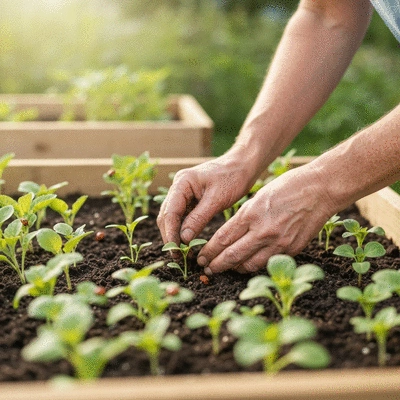
Gardener's hands tending to plants, illustrating natural pest control methods

Remember, gardening is a journey, and every step you take towards natural pest control is a victory! Trust in the process and enjoy watching your garden thrive!

Final Thoughts on Embracing Natural Solutions

Long-Term Benefits of Eco-Friendly Practices

As you consider the impact of your gardening methods, it’s clear that embracing sustainable practices can lead to long-term benefits for both your garden and the environment. Here's a quick recap:

  • Healthier plants that are more resilient to pests and diseases.
  • A balanced ecosystem that supports beneficial insects and wildlife.
  • Reduced chemical usage, resulting in less environmental impact.
  • Improved soil health and productivity over time.

By choosing natural solutions, we cultivate not only beautiful gardens but also a better planet for future generations!

Join the Natural Gardening Community

I invite you to share your own experiences with natural pest management! Connect with fellow gardeners through our community at All American Gardeners and exchange tips, success stories, and challenges. Together, we can build a network of support that empowers each of us to grow healthier, thriving gardens while embracing the beauty of nature!

Recap of Key Points

Here is a quick recap of the important points discussed in the article:

  • Choose Eco-Friendly Methods: Reduce synthetic chemical usage to promote a healthier garden ecosystem.
  • Identify Common Pests: Familiarize yourself with pests like aphids, slugs, and spider mites to take timely action.
  • Use Effective Techniques: Implement natural solutions like companion planting, beneficial insects, and homemade sprays.
  • Monitor Your Garden: Regularly check your plants and adjust your pest control methods as needed.
  • Join the Community: Engage with other gardeners to share experiences and tips on natural pest management.

Frequently Asked Questions About Natural Pest Control

Q: What are the main benefits of natural pest control?

A: Natural pest control offers several benefits including being eco-friendly, reducing chemical exposure for your family, being cost-effective due to many homemade solutions, and promoting a balanced ecosystem by encouraging beneficial insects.

Q: How can I identify common garden pests?

A: Effective pest management starts with accurate identification. Common pests include aphids (suck sap, curl leaves), slugs (feast on tender seedlings), spider mites (create fine webs, weaken plants), Japanese Beetles (munch on flowers and foliage), Cabbage Loopers (target leafy greens), and Whiteflies (suck sap, weaken plants).

Q: What are some effective natural pest control techniques?

A: Effective techniques include introducing beneficial insects like ladybugs, using homemade solutions such as neem oil, and practicing companion planting (e.g., marigolds to deter pests). Regularly assessing your garden and adjusting your methods are also key.

Q: How do I get started with natural pest control in my garden?

A: Begin by assessing your garden to identify specific pests. Choose one or two natural methods to try, such as companion planting or beneficial insects, and implement them gradually. Continuously monitor your garden's progress and adjust your approach as needed.

Q: What are the long-term benefits of using eco-friendly practices in my garden?

A: Long-term benefits include healthier plants more resilient to pests, a balanced ecosystem supporting beneficial insects and wildlife, reduced chemical usage leading to less environmental impact, and improved soil health and productivity over time.
Subscribe & Share
Cool-Season Crops for Northern Zones Cool-Season Crops for Northern Zones As we dive into the world of gardening, have you ever considered how the choices you make can extend
Tips for Building Raised Flower Beds Tips for Building Raised Flower Beds Are you ready to elevate your gardening experience? Discover how raised flower beds can revolutioniz
Getting Started with Hydroponic Kits Getting Started with Hydroponic Kits As we venture into the innovative world of hydroponics, consider how you can transform your gardenin
Cucumber Seeds: A Simple Guide Cucumber Seeds: A Simple Guide Choosing the right cucumber seeds can transform your gardening experience. With so many varieties av
Setting Up Backyard Aquaponics Setting Up Backyard Aquaponics Aquaponics combines the principles of aquaculture and hydroponics, creating a sustainable gardening
Testing Soil pH for Lawns Testing Soil pH for Lawns Soil pH plays a pivotal role in determining the health of your lawn. Understanding it can transform
Banner
All American Gardeners

Your premier online resource for mastering home gardening across the U.S. We empower American home gardeners with expert tips, step-by-step guides, and sustainable practices for thriving outdoor spaces.

Trusted by gardeners nationwide, our mission is to provide reliable, easy-to-follow insights backed by Clara M. Greene's extensive horticulture experience and practical advice.

Cultivate Your Garden
Recent Posts
Cool-Season Crops for Northern Zones Cool-Season Crops for Northern Zones

As we dive into the world of gardening, have you e

Tips for Building Raised Flower Beds Tips for Building Raised Flower Beds

Are you ready to elevate your gardening experience

Getting Started with Hydroponic Kits Getting Started with Hydroponic Kits

As we venture into the innovative world of hydropo

Gardening Wisdom from All American Gardeners