Are you ready to cultivate a garden that not only thrives but flourishes with life? Discover how companion planting can enhance your gardening experience, ultimately leading to healthier plants and bountiful harvests with just a few strategic pairings!
What You Will Learn
Companion planting improves growth by allowing certain plants to share nutrients and benefits.
Plant combinations can significantly reduce pests, as some plants naturally repel harmful insects.
Understanding your USDA zone is crucial for selecting compatible plants that thrive in your specific climate.
Effective gardening requires careful planning, including layout, plant pairings, and monitoring growth patterns.
Utilizing natural fertilizers and soil amendments can enhance soil health, leading to stronger plants and better yields.
Companion Planting Process Flow and Benefits
Companion planting involves specific pairings that enhance growth, deter pests, and optimize garden space. The diagram below illustrates the process and key advantages of this sustainable gardening technique. For those just starting out, learning about organic gardening tips for beginners can provide a solid foundation for implementing these methods.
Process Flow: Implementing Companion Planting
Research Pairings: Identify plants that thrive together (e.g., tomatoes and basil).
Plan Layout: Group compatible plants, considering sun exposure and USDA zone.
Start Healthy: Use quality seeds or seedlings for best results.
Monitor Growth: Observe plant interactions and adjust for future seasons.
Assess Health: Check for pests, growth rates, and soil health regularly.
Key Benefits of Companion Planting
✓
Enhanced Growth: Plants provide nutrients or support to neighbors.
🐜
Pest Reduction: Natural deterrence of harmful insects.
☞
Space Maximization: Efficient use of garden area (e.g., shade for smaller plants).
Natural Fertilizers & Soil Amendments
Compost: Improves soil structure, rich in nutrients.
Bone Meal: Promotes root development and flowering (phosphorus source).
Understanding Companion Planting for Organic Vegetable Gardens by USDA Zone
Have you ever heard of companion planting? It’s a method that brings different plants together to create a harmonious garden. In simple terms, it’s about planting certain crops near each other to improve their growth and health. This technique is especially important for organic vegetable gardens, as it helps in maximizing space, enhancing yields, and minimizing pests naturally. By understanding how different plants interact with each other, we can cultivate a thriving garden that supports biodiversity and sustainability!
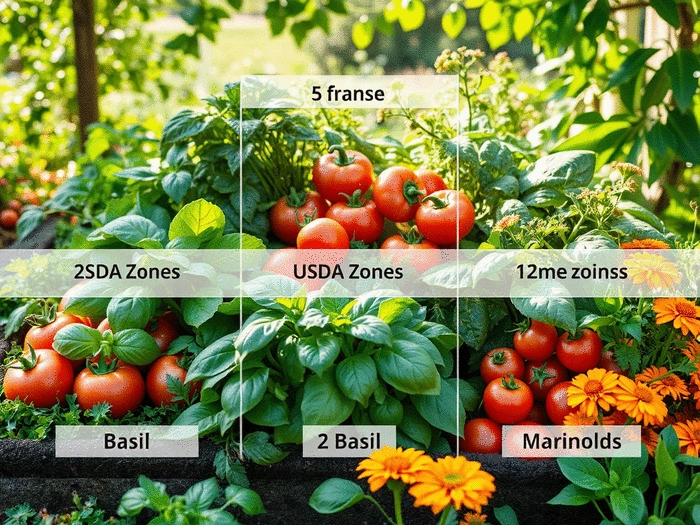
As a passionate gardener, I’ve seen firsthand how companion planting can transform a garden. The secret lies in choosing the right combinations. For instance, planting basil near tomatoes can enhance their flavor and deter pests. It’s these small decisions that lead to big rewards in our gardens!
What is Companion Planting and Why is it Important?
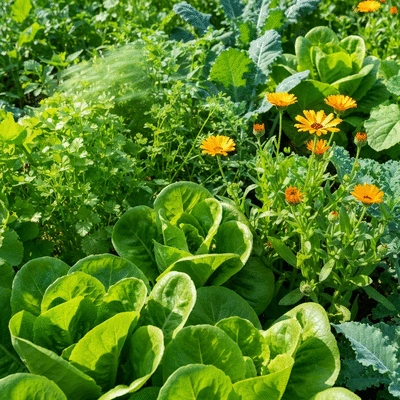
Companion planting is more than just a gardening trend; it’s a time-tested practice rooted in sustainability. At All American Gardeners, we believe that understanding the relationships between plants can lead to healthier, more productive gardens. When you pair compatible plants, you can:
Enhance growth: Some plants provide nutrients that benefit their neighbors.
Reduce pests: Certain plants repel harmful insects naturally.
Maximize space: Tall plants can provide shade for shorter ones, helping to optimize garden layout.
These benefits not only promote a better growing environment but also align with our mission of sustainable gardening practices. As we explore companion planting further, keep in mind that these relationships can vary based on USDA zones and local climate conditions!
How USDA Zones Influence Plant Compatibility
The United States is divided into different USDA hardiness zones, each representing a unique climate that affects gardening. These zones help us understand which plants are most likely to thrive based on temperature, humidity, and seasonal changes. When considering companion planting, it's crucial to match plants that grow well together in your specific zone!
For example, if you’re gardening in USDA Zone 5, you might find that certain combinations work beautifully, while others might struggle. To make your vegetable garden successful, here are a few tips on selecting companion plants based on your zone:
Check the hardiness of your plants: Ensure they are suited for your zone.
Consider growth periods: Pair plants with complementary growing seasons.
Factor in sunlight and water needs: Group plants that have similar requirements.
By understanding how to navigate USDA zones, you can create a more harmonious garden space where every plant contributes to the overall success of your organic vegetable garden. This journey of learning and planting is what makes gardening such a rewarding experience, don’t you think?
Interactive Poll: Your Gardening Preferences
We’d love to know your thoughts on companion planting! Which pairing do you find most beneficial in your garden?
Implementing Companion Planting in Your Organic Garden
Companion planting is a wonderful way to create a thriving ecosystem in your organic garden! By strategically pairing plants, you can maximize growth, enhance flavor, and even deter pests. Let’s explore some practical steps to take when it comes to implementing this technique in your garden.
Practical Steps to Follow for Effective Plant Pairing
Starting your companion planting journey can be both exciting and rewarding. Here are some key steps to help you effectively pair plants:
Research Plant Pairings: Identify which plants grow well together. For instance, tomatoes and basil are a classic duo!
Plan Your Layout: Consider your garden’s layout and sun exposure. Group companion plants together to maximize benefits.
Start with Seeds or Seedlings: Choose healthy seeds or seedlings to ensure they have the best chance of thriving together.
Monitor Growth Patterns: Keep an eye on how your plants grow together. This will help you adjust your pairings for future seasons.
As you implement these steps, don’t forget that gardening is a learning process! Each season brings new challenges and opportunities for growth.
Monitoring and Assessing Plant Health and Growth
Once your plants are established, it's crucial to monitor their health and growth. This can significantly impact the success of your companion planting strategy. Here are some tips:
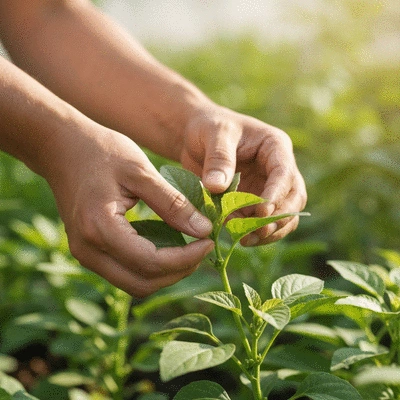
Check for Pests: Regularly inspect plants for any signs of pests. If you notice any troublemakers, act quickly!
Observe Growth Rates: Take notes on how well plants are growing together. Adjust your companion pairs based on your observations.
By staying proactive and observant, you can ensure that your plants are thriving in their companion pairs.
Utilizing Natural Fertilizers and Soil Amendments
Natural fertilizers and soil amendments play a vital role in sustaining the health of your organic garden. Here are some great options to consider:
Compost: Rich in nutrients, compost improves soil structure and encourages beneficial microorganisms.
Worm Castings: These are excellent for providing plants with a slow-release form of nutrients.
Organic Mulch: Adding layers of organic mulch helps retain moisture and suppress weeds.
Bone Meal: This is a great source of phosphorus, promoting root development and flowering.
Incorporating these natural amendments can enhance the productivity of your companion plants, leading to a more bountiful harvest! For more in-depth information, check out our guide on top organic fertilizers for vegetables.
Frequently Asked Questions About Companion Planting
What is companion planting?
Companion planting is a gardening technique where certain plants are grown near each other to enhance growth, deter pests, and improve overall plant health and yield.
How do USDA zones affect companion planting?
USDA hardiness zones are crucial because they dictate which plants are most likely to thrive in your specific climate. When companion planting, it's important to choose plant pairings that are compatible with your zone's temperature, humidity, and seasonal changes.
What are the main benefits of companion planting?
The key benefits include enhanced plant growth through nutrient sharing, natural pest reduction by deterring harmful insects, and maximized garden space by optimizing plant layout and sun exposure.
Can companion planting reduce the need for pesticides?
Yes, many companion plants naturally repel pests, which can significantly reduce or even eliminate the need for chemical pesticides in your organic garden.
What are some common natural fertilizers and soil amendments used in companion planting?
Common natural fertilizers and soil amendments include compost (for soil structure and nutrients), worm castings (for slow-release nutrients), organic mulch (for moisture retention and weed suppression), and bone meal (for root development and flowering).
Recap of Key Points
Here is a quick recap of the important points discussed in the article:
Consider USDA Zones: Select plants that thrive in your specific USDA zone to create a harmonious garden. For more detailed information, consider checking out how to discover your USDA planting zone.
Research Plant Pairings: Identify effective combinations like tomatoes and basil to reap the benefits of companion planting.
Monitor Plant Health: Regularly check for pests, observe growth rates, and assess soil health for optimal results.
Utilize Natural Fertilizers: Incorporate compost, worm castings, and organic mulch to support plant health and productivity.
Subscribe & Share
2026-08-28
Growing Herbs with Hydroponics
Why settle for store-bought herbs when you can grow your own at home, in any space? Hydroponic garde
2026-08-27
Growing Sweet Corn from Seeds
Ready to transform your gardening experience? Selecting the right sweet corn seeds can make all the
Growing Your Own Garlic Bulbs
As you prepare to embark on your journey of growing garlic, consider this: garlic cultivation isn't
All American Gardeners
Your premier online resource for mastering home gardening across the U.S. We empower American home gardeners with expert tips, step-by-step guides, and sustainable practices for thriving outdoor spaces.
Trusted by gardeners nationwide, our mission is to provide reliable, easy-to-follow insights backed by Clara M. Greene's extensive horticulture experience and practical advice.