Have you ever wondered why some plants thrive in your garden while others struggle to survive? Understanding your USDA Hardiness Zone is key to unlocking the secret of successful gardening!
What You Will Learn
USDA Hardiness Zones range from 1 to 13, determined by average minimum winter temperatures, guiding plant selection.
Selecting plants suited to your zone increases growth success and ensures a flourishing garden.
Understanding your zone aids in seasonal planning, helping you choose the right planting and harvesting times.
Knowledge of microclimates in your garden can lead to better plant choices and successful gardening outcomes.
Each hardiness zone has specific temperature ranges that dictate which plants can thrive, making research vital.
Adapting to climate change by selecting native and drought-resistant plants can enhance garden resilience.
Engaging with local gardening communities provides support and enriches your gardening experience.
USDA Hardiness Zones: Temperature Ranges and Their Impact
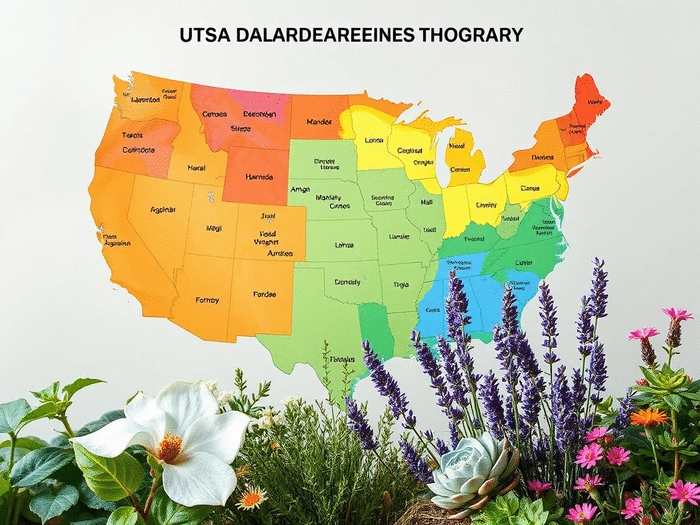
Understanding the minimum winter temperatures for each USDA Hardiness Zone is crucial for successful plant selection. This visual breaks down key zones and their typical temperature ranges.
Zone Definition
USDA Hardiness Zones categorize geographic areas based on average annual minimum winter temperatures, from Zone 1 (coldest) to Zone 13 (warmest).
Why They Matter
Crucial for plant selection, seasonal planning, and understanding climate challenges to ensure gardening success and plant survival.
Temperature Ranges
Zone 1: Below -50°F
Zone 5: -20°F to -10°F
Zone 9: 20°F to 30°F
Zone 13: 60°F to 70°F
Impact on Plant Choice
Matching plants to your zone ensures they can withstand local winter conditions, preventing wasted effort and promoting healthy growth.
Understanding USDA Hardiness Zones for Your Garden
Welcome to the fascinating world of USDA Hardiness Zones! Understanding these zones is crucial for anyone looking to cultivate a thriving garden. So, what exactly are they? Simply put, USDA Hardiness Zones are geographic areas defined by their average minimum winter temperatures. This information helps gardeners like us choose plants that will flourish in our specific climates, ensuring our hard work in the garden pays off!
Here at All American Gardeners, we believe that knowing your hardiness zone can significantly impact your gardening success. It’s not just about picking pretty flowers or tasty vegetables; it’s about choosing the right plants that will thrive in your unique environment. Let’s dive deeper into what these zones mean and how they can guide our gardening adventures!
What Are USDA Hardiness Zones and Why Do They Matter?
USDA Hardiness Zones are essential for every gardener because they provide insight into which plants are most likely to survive in your area. These zones range from 1 to 13, with each zone designated based on the average annual minimum temperatures.
Plant Selection: Choosing plants that match your zone can increase growth success.
Seasonal Planning: Knowledge of your zone helps determine the right planting and harvesting times.
Climate Awareness: Being aware of your zone aids in understanding potential climate challenges.
By understanding these factors, we can make informed decisions about what to plant in our gardens. Remember, the right plant in the right zone can mean the difference between a flourishing garden and a struggling one!
Defining USDA Hardiness Zones by Average Minimum Winter Temperature
The USDA Hardiness Zone Map divides the United States into 13 zones, each representing a range of average minimum winter temperatures. For instance, Zone 1 has average minimum temperatures below -50°F, while Zone 13 ranges from 60°F to 70°F. This differentiation helps gardeners assess which plants can withstand local winter conditions.
Understanding this information is vital for selecting plants that can endure cold snaps or heat waves. For example: If you’re in Zone 3, you’ll want to choose plants that are exceptionally cold-hardy, while someone in Zone 10 can look for tropical varieties. It’s all about matching your plants to your zone!
How Hardiness Zones Impact Plant Selection and Growing Success
Plant selection is significantly influenced by hardiness zones. When I first started gardening, I made the mistake of buying a beautiful tropical plant that couldn’t handle my Zone 6 winters. Trust me, it was a hard lesson learned! Now, I always check the hardiness zone of any plant before bringing it home.
Choose native plants that thrive in your zone for better adaptability.
Research annuals and perennials suitable for your climate for year-round color.
Consider microclimates in your garden; a south-facing wall may allow for zone-shifting.
Knowing your hardiness zone will save you time and effort, ensuring you’re cultivating plants that will thrive. Remember, a little research can go a long way toward gardening success!
Understanding Temperature Ranges for Different Zones
Each USDA Hardiness Zone has a specific temperature range that determines what plants can survive there. For example, Zones 7 and 8 can experience minimum winter temperatures between 0°F and 20°F, which opens up a world of plant options. On the other hand, Zones 1 and 2 face extreme cold, limiting plant choices to those that can withstand harsh conditions.
As we dig into our gardening adventures, I encourage you to check the temperature ranges for your specific zone. This knowledge will empower you to choose plants wisely, enhancing your chances for a bountiful garden!
Breaking Down USDA Hardiness Zones: A Closer Look
To fully grasp the significance of USDA Hardiness Zones, let’s take a closer look at the specifics. It’s not only about the zones themselves but also about the various classifications that help us garden better!
Overview of Growing Zones: From Zone 1 to Zone 13
The USDA Hardiness Zones range from 1 to 13, but do you know what each zone represents? Here’s a quick overview:
Zone 1: Below -50°F
Zone 3: -40°F to -30°F
Zone 5: -20°F to -10°F
Zone 7: 0°F to 10°F
Zone 9: 20°F to 30°F
Zone 11: 40°F to 50°F
Zone 13: 60°F to 70°F
This range helps us understand what kinds of plants we can successfully grow. Knowing the extremes can be especially helpful when planning for seasonal changes!
Subzones Explained: Understanding A and B Designations
Within each hardiness zone, you might notice subzones designated as 'A' and 'B.' This classification provides even more specificity based on average minimum temperatures. For example, Zone 6A has slightly colder temperatures than Zone 6B. This distinction can be essential for choosing plants.
Understanding these subzones means more tailored plant choices to ensure greater success in your garden! I remember the first time I realized my neighbor and I were in different subzones; it opened my eyes to how even small differences can affect our gardening outcomes.
Comparing USDA Zones with Climate Zones for Comprehensive Gardening
While USDA Hardiness Zones focus primarily on winter temperatures, climate zones take a broader view, factoring in precipitation, humidity, and overall climate conditions. By comparing these two systems, I’ve been able to choose more resilient plants that thrive under various weather conditions.
Consider both hardiness and climate zones when selecting plants.
Utilize the USDA map alongside climate data for informed decisions.
Research regional gardening resources for local insights.
This comprehensive approach can significantly enhance your gardening experience, allowing for a more diverse and successful plant palette!
Pro Tip
When selecting plants for your garden, consider not only your USDA Hardiness Zone but also the microclimates within your garden. For instance, areas near a south-facing wall may experience warmer temperatures, allowing you to grow plants typically suited for a warmer zone. Always test the soil and observe sunlight patterns to optimize your plant selection!
Preparing for a Successful Gardening Experience
As a gardener, preparing for success is all about understanding your unique conditions and how best to work with them! At All American Gardeners, we believe that planning your garden according to your USDA Hardiness Zone can significantly enhance your gardening experience. Let’s dive into some practical strategies to ensure your garden thrives all year round.
Year-Round Gardening Strategies for Your Zone
Creating a thriving garden doesn’t stop with planting; it requires ongoing attention and adaptability. One effective way to manage your gardening tasks is by developing a seasonal calendar tailored to your zone. This calendar can help you track when to plant, water, and harvest your crops!
Creating a Seasonal Calendar for Planting and Harvesting
Spring: Start with cool-season crops like spinach and peas.
Summer: Transition to heat-loving plants like tomatoes and peppers.
Fall: Plant hardy vegetables such as kale and carrots.
Winter: Use this time for soil preparation and planning for next year!
This approach not only organizes your gardening tasks but also aligns them with the natural growing cycles in your region. Remember, timing is key to a successful harvest!
Common Pests and Troubleshooting by Zone
Every gardener faces challenges with pests, but knowing what to expect can make a big difference. Here are some common pests associated with different zones:
Aphids: Often found in warmer zones, they can be managed with insecticidal soap.
Spider Mites: These thrive in dry conditions; keep plants well-watered to deter them!
Slugs and Snails: Particularly pesky in moist areas; using barriers can help.
Identifying and addressing these pests promptly is crucial for maintaining a healthy garden. Remember, I’m always here to help with specific troubleshooting tips!
Gardening Tips for Each Growing Season
Spring: Focus on soil health by adding compost and ensuring proper drainage.
Summer: Mulch around plants to retain moisture and suppress weeds.
Fall: Time to clean up your garden beds and prepare for winter.
Winter: Consider indoor gardening options or start planning your garden layout.
By following these seasonal tips, you’ll set yourself up for a productive gardening year! Remember, gardening is a journey—embrace each season!
Future-Proofing Your Garden Against Climate Change
As we all know, climate change is affecting gardening practices across the United States. It’s essential to stay informed and adapt your gardening strategies to ensure future success. Understanding how your hardiness zone may change can help you make smarter decisions about what to plant.
Understanding the Potential Changes in Hardiness Zones
Experts predict shifts in USDA Hardiness Zones due to rising temperatures. Keeping an eye on these changes can help you remain proactive in your gardening efforts. This means staying informed and perhaps adjusting your plant selections for optimum results!
Adapting Plant Choices to Evolving Climate Conditions
Opt for native plants that are more resilient to local conditions.
Consider drought-resistant varieties if your area experiences water shortages.
Research heat-tolerant crops to ensure successful growth as temperatures rise.
These adaptations can greatly enhance your garden’s resilience against climate change, helping you cultivate a thriving space for years to come!
Implementing Drought Tolerance Strategies in Your Garden
Water conservation is critical, especially as we face changing climate patterns. Here are some strategies to help with drought tolerance:
Use drip irrigation systems to minimize water waste.
Incorporate rain barrels to collect water for later use.
Implement xeriscaping techniques to create a low-water garden.
These methods not only help your garden survive through tough times but also promote sustainable practices that benefit our environment.
Frequently Asked Questions About USDA Hardiness Zones
Q1: What are USDA Hardiness Zones?
A1: USDA Hardiness Zones are geographic areas categorized by their average annual minimum winter temperatures. They help gardeners determine which plants are most likely to survive and thrive in their specific climate.
Q2: How many USDA Hardiness Zones are there?
A2: There are 13 USDA Hardiness Zones, ranging from Zone 1 (coldest) to Zone 13 (warmest), each with a 10-degree Fahrenheit temperature difference.
Q3: Why is knowing my Hardiness Zone important for gardening?
A3: Knowing your Hardiness Zone is crucial for successful plant selection, seasonal planning, and understanding potential climate challenges. It ensures you choose plants that can withstand local winter conditions, preventing wasted effort and promoting healthy growth.
Q4: What do the "A" and "B" designations within a zone mean?
A4: Within each Hardiness Zone, "A" and "B" subzones provide further specificity. For example, Zone 6A is slightly colder than Zone 6B. These distinctions help gardeners make even more tailored plant choices.
Q5: How can climate change affect Hardiness Zones?
A5: Experts predict shifts in USDA Hardiness Zones due to rising temperatures. Gardeners should stay informed about these changes and adapt their plant selections, perhaps opting for native, drought-resistant, or heat-tolerant varieties, to ensure their gardens remain resilient.
Join the Gardening Community and Take Action
Gardening is more enjoyable when you share the experience with others! Engaging with fellow garden enthusiasts can provide support, inspiration, and a sense of community. At All American Gardeners, we’re passionate about connecting you to resources that enhance your gardening journey!
Engage with Interactive Resources for Better Gardening
Utilizing Online Tools to Enhance Your Gardening Knowledge
There are fantastic online tools available to help you deepen your gardening knowledge. From plant databases to interactive zone maps, these resources can simplify your planning and execution.
Connecting with Local Gardening Groups for Support
Join local gardening clubs for shared knowledge and experiences.
Participate in community forums or social media groups to ask questions and share tips.
Attend local gardening events for hands-on learning and networking opportunities.
Whether you’re a newbie or an experienced gardener, engaging with others can lead to invaluable insights and friendships!
Participating in Gardening Workshops and Community Gardens
Community gardens are a wonderful way to learn from others while contributing to local green spaces! Check out workshops in your area for hands-on experience and expert tips.
Start Your Gardening Journey Today
There’s no better time to start gardening than now! Explore your USDA Hardiness Zone and discover the plants that thrive in your area. With the right preparation and community support, you’ll be well on your way to cultivating a beautiful and fruitful garden.
Explore Your USDA Hardiness Zone and Discover Suitable Plants
Utilizing the resources from All American Gardeners can help you identify the best plants for your unique growing conditions. Dive into our guides and let’s nurture your garden together!
Make Informed Decisions for a Thriving Garden
Remember, gardening is a continual learning experience. Each season offers new lessons and opportunities for growth, not just for your plants, but for you as a gardener, too!
Recap of Key Points
Here is a quick recap of the important points discussed in the article:
Understand Your Hardiness Zone: Knowing your USDA Hardiness Zone is crucial for selecting the right plants that will thrive in your climate.
Plant Selection: Choose plants that match your zone for better growth success and adaptability.
Seasonal Planning: Develop a seasonal calendar to track planting, watering, and harvesting times tailored to your specific zone.
Adapt to Climate Change: Stay informed about potential shifts in hardiness zones and select native and drought-resistant plants accordingly.
Engage with the Community: Connect with local gardening groups and utilize online resources for support and knowledge sharing.
Subscribe & Share
2026-08-28
Growing Herbs with Hydroponics
Why settle for store-bought herbs when you can grow your own at home, in any space? Hydroponic garde
2026-08-27
Growing Sweet Corn from Seeds
Ready to transform your gardening experience? Selecting the right sweet corn seeds can make all the
Growing Your Own Garlic Bulbs
As you prepare to embark on your journey of growing garlic, consider this: garlic cultivation isn't
All American Gardeners
Your premier online resource for mastering home gardening across the U.S. We empower American home gardeners with expert tips, step-by-step guides, and sustainable practices for thriving outdoor spaces.
Trusted by gardeners nationwide, our mission is to provide reliable, easy-to-follow insights backed by Clara M. Greene's extensive horticulture experience and practical advice.