Did you know that mulching not only enhances the beauty of your garden but also plays a pivotal role in supporting plant health? Understanding the multifaceted benefits of mulching can transform your gardening practices and yield impressive results.
What You Will Learn
Moisture Retention: Mulch prevents rapid evaporation, keeping the soil moist and beneficial for plant roots.
Weed Suppression: A thick layer of mulch blocks sunlight, significantly reducing weed growth.
Temperature Regulation: Mulch acts as an insulating layer, stabilizing soil temperatures across seasons.
Erosion Control: It helps prevent soil erosion caused by heavy rainfall and wind, maintaining garden integrity.
Soil Improvement: Organic mulches decompose over time, enriching the soil with essential nutrients.
Climate-Specific Benefits: Different mulch types can address the unique challenges posed by various climates, enhancing garden resilience.
Application Techniques: Proper depth, timing, and placement of mulch are key for maximizing its effectiveness in your garden.
The Multifaceted Benefits of Mulching
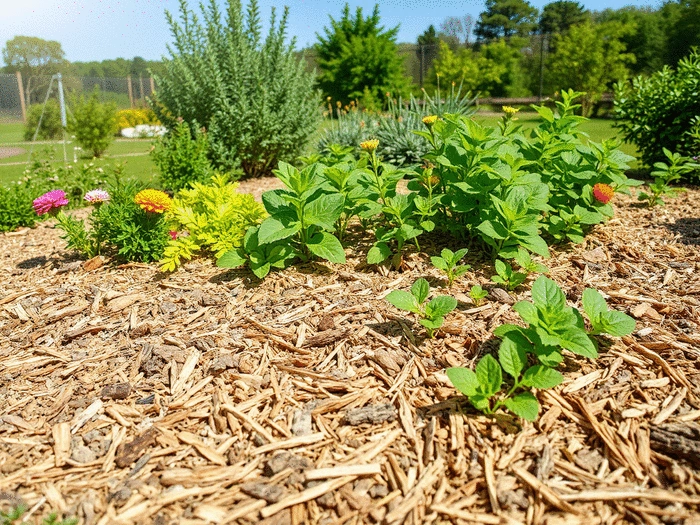
Mulching is a cornerstone practice for a thriving garden, offering an array of benefits for both plants and soil health. This visual highlights the key advantages and types of mulch that contribute to a resilient garden ecosystem. For those new to gardening, understanding these fundamentals is as crucial as selecting the essential tools for new gardeners.
Hot Climates: Keeps soil cooler, reduces evaporation.
Understanding the Importance of Mulching for Healthy Gardens
As a dedicated gardener, I believe that mulching is one of the most valuable practices you can incorporate into your gardening routine. It can make a world of difference to both your plants and soil. In this section, let’s explore why mulching is essential for nurturing healthy gardens.
Mulch serves several crucial purposes. It helps retain moisture in the soil, suppresses unwanted weeds, regulates soil temperature, and even controls erosion. Plus, as mulch decomposes, it enriches the soil, ultimately leading to a more productive garden.
How Mulching Benefits Your Plants and Soil
Mulching is not just about aesthetics; it comes with a host of benefits for your plants and soil health:
Moisture Retention: Mulch helps keep the soil moist by preventing rapid evaporation.
Weed Suppression: A thick layer of mulch blocks sunlight, making it harder for weeds to grow.
Temperature Regulation: Mulch acts as an insulating layer, keeping soil temperatures consistent.
Erosion Control: It reduces soil erosion caused by heavy rainfall and wind.
Soil Improvement: As it decomposes, mulch adds valuable nutrients back into the soil.
By using mulch, you’re setting up your garden for success! It not only supports plant health but contributes to the long-term viability of your garden’s ecosystem. To further enhance your garden's foundation, consider these tips for healthy soil for thriving gardens.
The Role of Mulch in Climate Resilience
Different regions face unique challenges when it comes to gardening. That’s where the selection of mulch becomes crucial. Depending on your climate, different types of mulch can offer specific advantages:
Water Conservation: In dry climates, organic mulches like straw can retain moisture.
Soil Health: In humid areas, mulch can prevent soil compaction and promote drainage.
Evaporation Reduction: In hot climates, mulch keeps the soil cooler and reduces evaporation rates.
Understanding how to select the right mulch for your climate can enhance your garden's resilience and promote sustainable practices. It’s all about working with nature!
Enhancing Soil Health with Organic Matter
Incorporating organic matter through mulching is a game-changer for soil health. When you choose materials like leaves, straw, or compost, you're not just adding a protective layer; you're also contributing to:
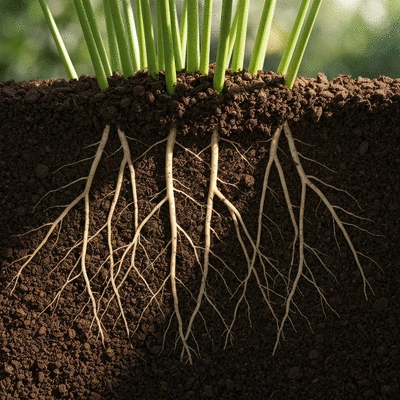
Improved Soil Structure: Organic mulches help create a crumbly soil texture that allows roots to grow more easily.
Increased Fertility: As organic mulch breaks down, it releases essential nutrients into the soil.
Support for Beneficial Microorganisms: Healthy soil is full of life! Mulch provides a habitat for beneficial microbes and earthworms.
When we focus on enhancing soil health, we create a thriving environment for our plants to flourish. Mulching is a key part of this journey!
Selecting the Right Mulch for Your Garden
Choosing the appropriate mulch type can be overwhelming with so many options available. But don’t worry! With a little guidance, you’ll be able to make an informed choice that suits your garden’s needs.
Exploring Different Mulch Types and Their Uses
Mulch can be categorized into two main types: organic and inorganic. Here’s a quick comparison to help you decide which is best for your garden:
Organic Mulch: Includes materials like bark, straw, compost, and wood chips. As they decompose, they enrich the soil.
Inorganic Mulch: Consists of materials like gravel, rubber, or landscape fabric. While they don’t improve soil health, they provide excellent weed control.
When selecting mulch, consider the specific needs of your plants and the challenges presented by your garden environment. Each type has its advantages, and knowing these can help you create a beautiful and thriving garden!
Mulch Application Techniques for Optimal Results
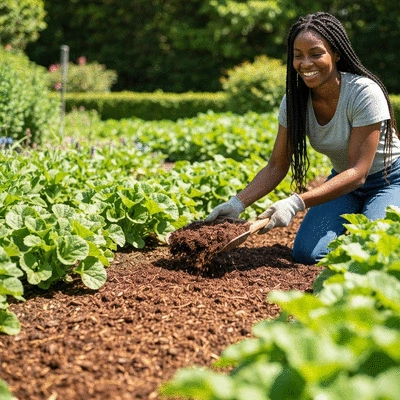
Applying mulch correctly is just as important as the type you choose. Here are some best practices to keep in mind:
Correct Depth: Aim for a layer of 2-4 inches for optimal moisture retention and weed suppression.
Timing: Apply mulch in spring or fall when plants are actively growing and soil moisture levels are stable.
Avoid Contact: Keep mulch away from plant stems and tree trunks to prevent rot and pest issues.
Following these techniques ensures your mulch works hard for your garden, providing benefits all season long!
Effective Plant Protection Through Mulching
One of the underrated benefits of mulching is its ability to protect plant roots from extreme temperatures and pests. A well-mulched garden can:
Insulate Roots: Maintain a stable temperature, protecting plants in both hot and cold weather.
Discourage Pests: Certain types of mulch can deter pests, offering additional protection for your plants.
By keeping plants safe and sound, you’ll not only enjoy a more robust garden but also a greater sense of peace, knowing your plants are well cared for! For additional guidance on protecting your plants, explore these natural pest control for gardens methods.
We Want to Hear From You!
What mulching techniques have you found most effective in your garden? Share your experiences and tips below:
Frequently Asked Questions About Mulching
Mulching offers multiple benefits including moisture retention, weed suppression, temperature regulation, erosion control, and soil improvement through the addition of nutrients as organic mulches decompose.
Organic mulches (like bark, straw, compost) decompose over time, enriching the soil with nutrients. Inorganic mulches (like gravel, rubber, landscape fabric) provide excellent weed control and temperature regulation but do not add nutrients to the soil.
For optimal results, apply a layer of mulch 2-4 inches deep. The best times to apply mulch are in the spring or fall when plants are actively growing and soil moisture levels are stable.
Yes, mulch plays a significant role in climate resilience. In dry climates, it helps with water conservation. In humid areas, it prevents soil compaction and promotes drainage. In hot climates, it keeps the soil cooler and reduces evaporation rates.
It's important to keep mulch away from plant stems and tree trunks. Direct contact can lead to rot, disease, and pest issues. Ensure there's a small gap around the base of plants.
Summarizing the Benefits and Best Practices of Mulching
As we dive into the world of gardening, it's essential to recognize the myriad benefits that mulching brings to our plants and soil. Mulching is not just a decorative touch; it plays a critical role in enhancing plant health and improving soil quality. Here are some key benefits:
Moisture retention: Mulch helps keep the soil moist by reducing evaporation, which is vital during those hot summer months.
Weed suppression: A good layer of mulch can significantly hinder weed growth, allowing your plants to compete better for nutrients.
Temperature regulation: Mulch acts as an insulating layer, keeping roots warm in colder months and cool during heatwaves.
Erosion control: It helps prevent soil erosion caused by rain and wind, protecting the integrity of your garden.
Soil improvement: Organic mulches break down over time, enriching the soil with nutrients and fostering beneficial microorganisms.
At All American Gardeners, we believe that understanding these benefits can help you make informed decisions about mulching. Choosing the right materials and mastering application techniques is equally important for achieving optimal results.
Taking Action: Implementing Mulching Techniques in Your Garden
Now that we've explored the importance of mulching, it's time to take action! Start by assessing your current mulching practices. Here are a few steps to enhance your garden’s resilience and productivity:
Evaluate your soil: Determine if your current mulch is meeting the moisture retention and nutrient needs of your plants.
Experiment with different materials: Try various types of organic and inorganic mulches to see which works best for your climate and plant varieties.
Adapt your approach: As seasons change, be open to adjusting your mulching techniques to support the unique requirements of your garden throughout the year.
Monitor results: Keep track of how your plants respond to different mulching methods and make changes as needed.
Remember, gardening is a journey, and every small step counts! By incorporating effective mulching practices, you can create a thriving environment for your plants while promoting a healthier ecosystem. Happy gardening!
Recap of Key Points
Here is a quick recap of the important points discussed in the article:
Moisture Retention: Mulch helps retain soil moisture by reducing evaporation, especially in hot weather.
Weed Suppression: A thick layer of mulch effectively blocks sunlight, hindering weed growth.
Temperature Regulation: Mulch acts as an insulator, keeping roots warm in winter and cool in summer.
Erosion Control: It prevents soil erosion from rain and wind, maintaining garden integrity.
Soil Improvement: Organic mulches enrich the soil with nutrients as they decompose, promoting healthy plant growth.
Choosing the Right Mulch: Select mulch based on your climate and plant needs for optimal benefits.
Application Techniques: Apply mulch at a depth of 2-4 inches, avoiding contact with plant stems.
Subscribe & Share
2026-08-28
Growing Herbs with Hydroponics
Why settle for store-bought herbs when you can grow your own at home, in any space? Hydroponic garde
2026-08-27
Growing Sweet Corn from Seeds
Ready to transform your gardening experience? Selecting the right sweet corn seeds can make all the
Growing Your Own Garlic Bulbs
As you prepare to embark on your journey of growing garlic, consider this: garlic cultivation isn't
All American Gardeners
Your premier online resource for mastering home gardening across the U.S. We empower American home gardeners with expert tips, step-by-step guides, and sustainable practices for thriving outdoor spaces.
Trusted by gardeners nationwide, our mission is to provide reliable, easy-to-follow insights backed by Clara M. Greene's extensive horticulture experience and practical advice.