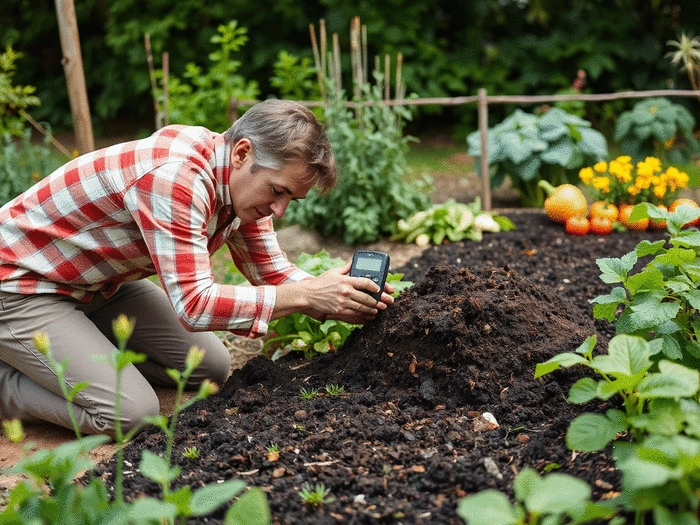
1. Conduct Soil Test
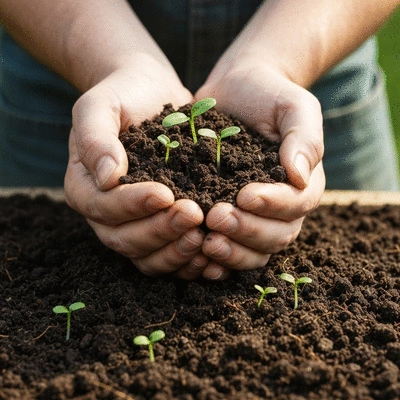
Assess pH levels and identify nutrient deficiencies to understand your soil's current state.
🧪
Join Clara M. Greene's community for expert tips and seasonal guides tailored for American gardeners.
Posted on: 2026-03-14
By: Clara M. Greene
As you embark on your organic gardening journey, consider this: the health of your plants is directly tied to the quality of your soil. Understanding how to prepare organic soil not only nurtures your plants but also sustains the environment. Ready to cultivate a thriving garden?
Understanding the flow from soil testing to ongoing maintenance for a thriving organic garden. For those just starting out, learning about organic gardening tips for beginners can provide a solid foundation.
Assess pH levels and identify nutrient deficiencies to understand your soil's current state.
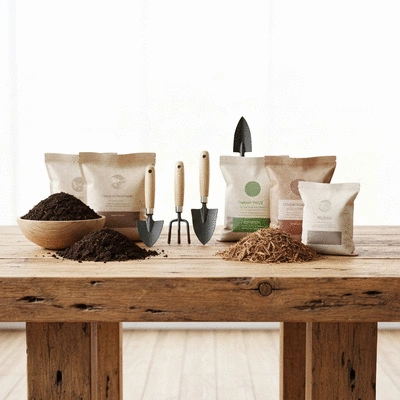
Collect compost, mulch, and organic fertilizers based on your garden's needs.
Clear debris, loosen the soil, and ensure proper drainage for new planting.
Mix organic materials into the soil based on test results to enrich fertility.
Regularly monitor and maintain soil health throughout the growing seasons.
Welcome to the wonderful world of organic gardening! As a passionate gardener, I truly believe that healthy soil is the foundation of a thriving garden. Preparing organic soil not only enhances the health of your plants but also promotes sustainability in your gardening practices. By using organic soil, you're not just growing vegetables and flowers; you're nurturing the earth itself!
Let’s dive into why organic soil matters for your garden. Organic soil is rich in nutrients that help plants grow strong and vibrant. It encourages beneficial microbes and earthworms, which, in turn, improve soil structure. When you invest time in preparing your garden beds with organic materials, you lay the groundwork for bountiful harvests and stunning blooms.
Using organic soil brings a host of benefits for both your plants and the environment. Here are some compelling reasons to consider:
By opting for organic soil, you are choosing to enrich your garden and contribute to a healthier planet. It’s a win-win situation!
Now that we understand the importance of organic soil, let’s explore the essential ingredients that make up healthy garden soil. You’ll want to focus on a combination of:
Each of these components plays a crucial role in building a vibrant and fertile garden bed. I often recommend mixing in a good amount of compost, as it acts as the backbone of any organic soil mix—trust me, your plants will thank you! For more insights into specific amendments, you can explore top organic fertilizers for vegetables.
One of the most vital aspects of organic soil is the presence of organic matter. This component dramatically improves soil structure, leading to better nutrient availability and moisture retention. When organic matter breaks down, it releases essential nutrients that plants need to grow.
Furthermore, organic matter helps bind soil particles together, which creates air pockets for roots to breathe. This is particularly important for healthy root development! Without adequate organic matter, soil can become compacted, leading to poor drainage and restricted root growth.
In essence, embracing organic practices not only fosters a thriving garden but also aligns with my mission at All American Gardeners: to empower every gardener to create sustainable and productive outdoor spaces. Remember, the health of your soil directly influences the health of your plants!
Before we jump into amending your soil, let’s talk about the importance of knowing its current state. Testing your soil is a crucial step for understanding what it needs to thrive!
Have you ever thought about how the health of your soil directly affects your garden's success? Share your experiences with soil preparation! What methods have you found most effective for enriching your garden beds? Let us know in the comments below!
As we’ve explored throughout this article, preparing organic soil is essential for creating thriving garden beds. To recap, it’s vital to test your soil to understand its current state, amend it with rich organic materials, and maintain it over time. Each step plays a significant role in ensuring that your plants have the best possible environment to grow strong and healthy.
Remember, testing your soil helps identify pH levels and nutrient deficiencies, while amending your soil with compost and organic fertilizers enhances fertility. Regular maintenance, including seasonal updates and monitoring soil health, keeps your garden flourishing season after season!
Now that you have the knowledge, it’s time to roll up your sleeves and get started on your organic soil preparation journey! Here are some actionable next steps you can take:
By taking these steps, you’ll set the foundation for a vibrant garden. As a passionate gardener myself, I can assure you that the effort you put in now will lead to beautiful blooms and bountiful harvests later! To further enhance your gardening skills, consider exploring plant care tips for home gardeners.
I invite you to become a part of the All American Gardeners community! By subscribing to our newsletter, you’ll receive updates filled with expert tips and tricks tailored for American home gardeners just like you. Plus, follow us on our social media channels for visual guides that inspire your gardening journey.
Don’t forget to share your own experiences and successes with organic soil preparation! I love hearing from fellow gardeners, and your stories can inspire others in our community. Together, we can cultivate a love for gardening and sustainable practices across the nation!
Here is a quick recap of the important points discussed in the article: