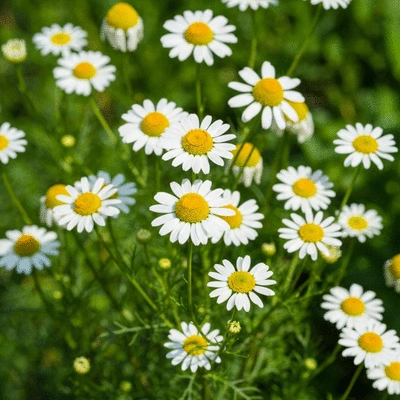
German Chamomile
Characteristics: Larger flowers, higher oil content.
Best Use: Ideal for herbal tea and essential oils. Focus on production.
Herbal Tea Focus
Join Clara M. Greene's community for expert tips and seasonal guides tailored for American gardeners.
Posted on: 2026-07-08
By: Clara M. Greene
Did you know that incorporating chamomile in your garden can do more than just provide beautiful blooms? This remarkable herb offers a plethora of benefits that can transform your gardening experience. Let's delve into the essential insights that will empower you to cultivate your very own chamomile garden!
Delve into the characteristics of German and Roman chamomile and discover the advantages of integrating this versatile herb into your garden ecosystem. For those interested in expanding their herbal knowledge, exploring a guide to growing your own herb garden can provide even more insights into cultivating beneficial plants.
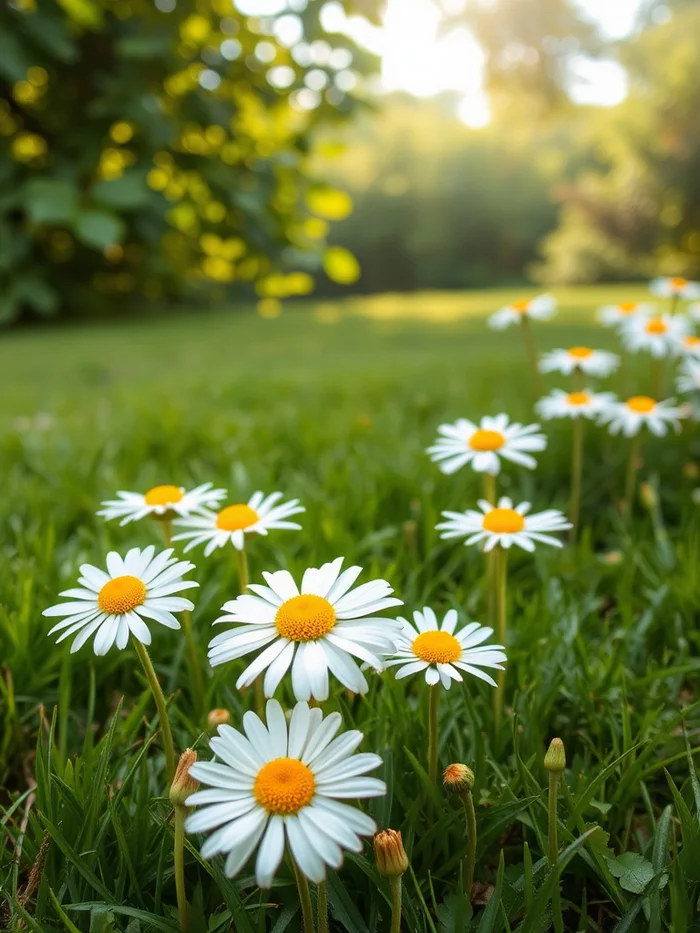
Are you curious about chamomile? This delightful herb is not just a pretty flower; it holds a treasure trove of benefits for any gardener. In this section, we’ll explore the two main types of chamomile—German and Roman—and help you decide which is best for your garden. Plus, we’ll dive into the myriad benefits of incorporating this lovely plant into your outdoor space!
When thinking about starting a chamomile garden, it’s essential to understand the differences between German and Roman chamomile. Each offers unique characteristics suited to different gardening needs. Here’s a quick comparison to help you choose:
Depending on your gardening goals, you might prefer one type over the other. If you're focused on producing tea, German chamomile is your best bet! However, if you're looking for a low-maintenance lawn alternative that smells lovely, Roman chamomile could be the way to go. For more tips on maintaining a healthy lawn, check out our article on natural weed control for lawns.
Chamomile is not only beautiful but also offers several benefits for your garden and health. Here are just a few reasons to consider adding it to your growing space:
Incorporating chamomile into your garden offers fantastic advantages! Not only does it contribute to a more vibrant ecosystem, but it also brings calming scents and stunning visuals to your space.
Chamomile is well-known for its medicinal benefits. Many people turn to chamomile for its calming effects, often using it to help with sleep and relaxation. The active compounds in chamomile flowers can help reduce inflammation and support digestive health. How wonderful is it to have a plant in your garden that can also promote wellness?
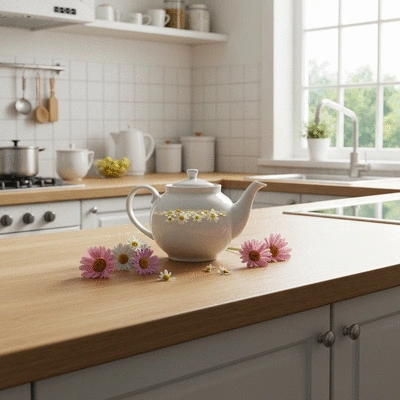
One of the most popular uses for chamomile is in herbal teas. Making a soothing chamomile infusion is simple and rewarding. Just follow these steps to create your own herbal remedy:
With chamomile in your garden, you can enjoy the benefits of this herb straight from your backyard! It's an enriching experience that connects you more deeply with nature.
Chamomile is not only a favorite for herbal teas; studies have shown that chamomile can reduce anxiety and improve sleep quality. In fact, a research study found that individuals who consumed chamomile extract experienced a significant improvement in their sleep quality compared to those who did not.
A: German chamomile (Matricaria chamomilla) has larger flowers and a higher oil content, making it ideal for teas and essential oils. Roman chamomile (Chamaemelum nobile) has smaller, more resilient flowers, a sweeter fragrance, and is often used as a ground cover or lawn alternative.
A: Chamomile acts as a natural pest repellent, deterring common garden pests like aphids. Its roots improve soil structure, enriching the soil, and its flowers attract beneficial pollinators like bees, enhancing biodiversity.
A: Chamomile is well-known for its calming effects, aiding in sleep and relaxation. It also possesses anti-inflammatory properties and can support digestive health.
A: Chamomile thrives in well-drained soil and prefers full sunlight. Consistent watering and appropriate fertilization techniques are crucial for healthy growth and abundant yields.
A: For optimal potency, it's best to harvest chamomile flowers in the morning. After harvesting, gently dry them in a shaded area to preserve their natural oils before steeping them for tea.
As we've explored the numerous aspects of cultivating a thriving chamomile garden, it's essential to reflect on the journey ahead! Embracing the art of growing chamomile not only enriches your gardening skills but also enhances your outdoor space with beauty and health benefits. Below are some key takeaways to ensure your success:
Remember, every gardener's journey is unique, and learning from each season is part of the fun! Whether you're sipping chamomile tea after a long day or using the flowers in DIY remedies, the rewards are endless. You can find more comprehensive advice on general plant care in our essential plant care checklist.
Feeling inspired yet? I encourage you to take the plunge and start your chamomile garden adventure today! It's a wonderful way to connect with nature and nurture your green thumb. Plus, the joy of watching those tiny seeds transform into lush, fragrant blooms is simply magical! So, what are you waiting for? Grab your seeds and get started!
Remember, at All American Gardeners, we're here to support you every step of the way. Don't hesitate to reach out with questions or share your progress—I love hearing about your gardening victories!
Gardening is so much more enjoyable when shared! That's why I invite you to get involved and connect with the vibrant community of chamomile gardeners. Engaging with others not only enhances your learning but also provides opportunities for collaboration and sharing.
Have you discovered a fantastic technique for growing chamomile? Or perhaps you’ve faced challenges that others could learn from? Sharing your experiences can inspire and uplift fellow gardeners in our community! Consider joining forums, social media groups, or local gardening clubs. Your insights could be the encouragement someone else needs to keep cultivating their garden.
As you delve deeper into the world of chamomile gardening, there are plenty of resources to enhance your knowledge. Explore books, online courses, and workshops that focus on herbal gardening, organic practices, and sustainable techniques.
Connecting with local herbalists and gardening experts can provide invaluable knowledge. They often offer workshops, webinars, and personal guidance that can help you understand chamomile’s unique properties and uses. Take advantage of these resources to elevate your gardening game and create a flourishing chamomile haven! For deeper insights into sustainable practices, consider exploring simple tips for sustainable farming.
Let’s grow together—join the conversation and let’s celebrate the beauty and benefits of chamomile gardening!
Here is a quick recap of the important points discussed in the article: