
Enhanced Soil Health
Organic methods improve soil structure and fertility, which significantly helps retain moisture, reducing the need for frequent watering.
Join Clara M. Greene's community for expert tips and seasonal guides tailored for American gardeners.
Posted on: 2026-06-12
By: Clara M. Greene
In the face of climate change, how can we ensure our gardening practices are sustainable and efficient? By embracing innovative techniques for water conservation, we can create thriving ecosystems while nurturing our gardens.
Adopting sustainable practices in organic gardening offers significant benefits, enhancing soil health, reducing water waste, and fostering resilient ecosystems. These key areas contribute to a more sustainable and productive garden. For beginners, understanding these foundational principles is crucial for success, and you can find more organic gardening tips for beginners to help you get started on your journey.
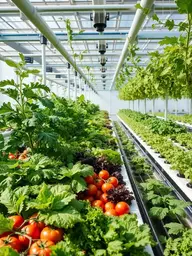
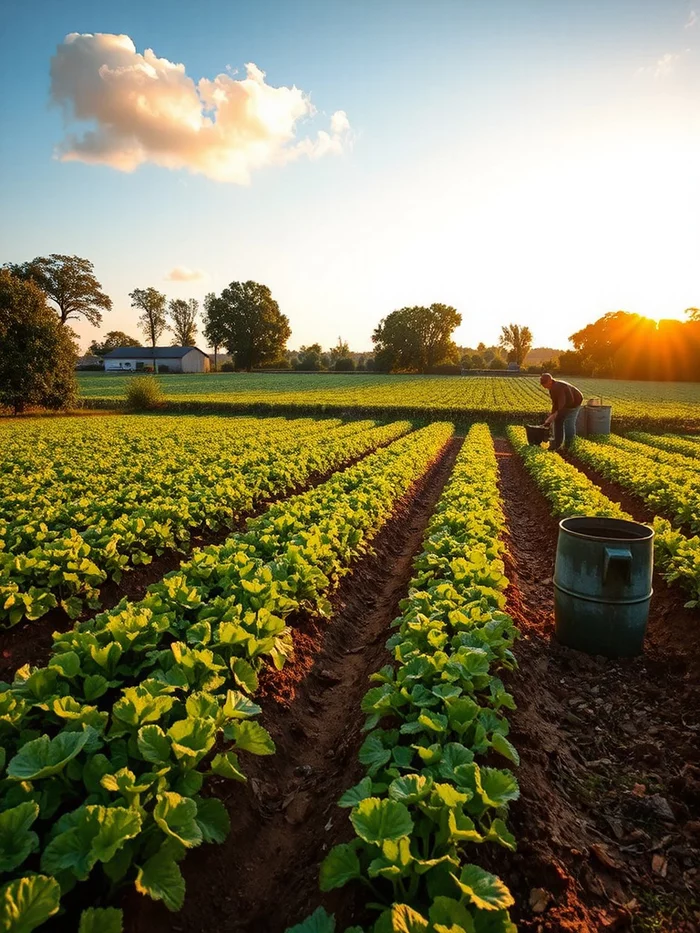
Organic methods improve soil structure and fertility, which significantly helps retain moisture, reducing the need for frequent watering.
Efficient irrigation systems target roots directly, minimizing evaporation and runoff, thus conserving precious water resources.
Diverse planting strategies make crops more resilient to drought and pests, leading to healthier and more robust yields.
Sustainable practices promote stewardship of local ecosystems, benefiting the entire community through healthier environments.
As a passionate gardener, I've seen firsthand how crucial water conservation is in organic farming. With the increasing pressures of climate change, implementing effective water-saving practices isn’t just good for your garden—it’s essential for our planet! Let’s explore how we can work together to use water wisely while growing healthy, vibrant plants.
Water is a vital resource for any gardener, but in organic farming, it takes on a special significance. Not only does it support plant growth, but it also helps maintain the ecological balance of our gardens. By conserving water, we not only reduce costs but also protect our local ecosystems and ensure sustainable practices for future generations!
Practicing water conservation is about more than just saving money; it’s a commitment to our environment and a step toward a more sustainable future. As gardeners, we can play a pivotal role in protecting our precious resources. For those aiming for robust yields, understanding companion planting for better yields can also significantly enhance garden productivity and resilience.
As I’ve learned over the years, using effective water-saving techniques can make a world of difference. Here are some essential practices to consider for your garden:
These techniques not only save water but also promote healthier plants. Think of them as a way to make your garden more resilient while being kind to our resources!
Have you ever thought about capturing rainwater? It’s a fantastic way to supplement your garden's water needs while conserving municipal water supply. By setting up a simple rainwater harvesting system, you can collect and store rainwater from your roof for use in your garden.
Rainwater is naturally soft and devoid of chemicals, making it perfect for your plants. Plus, you’ll feel great knowing you're making a positive impact on your water usage!
Crop rotation is another key strategy in the gardener's toolbox for not just improving soil health but also maximizing water efficiency. By carefully planning which crops to plant where and when, we can ensure that each plant has the water it needs without overburdening our resources.
It's essential to assess the water needs of your plants. Here are some tips to help you plan:
By being mindful of the water demands of your crops, you can cultivate a thriving garden that respects our water resources.
Understanding your local rainfall patterns and irrigation sources is key to effective crop rotation. Keeping track of monthly rainfall averages can help you plan your planting schedules and irrigation needs accordingly. I often use a simple chart to note rainfall and adjust my watering routines!
If I plant crops that share similar water needs together, I can irrigate them more efficiently. This not only saves water but also simplifies my gardening tasks!
Incorporating cover crops and mulch into your rotation is another fantastic way to conserve water and enrich your soil. Let's dive into the benefits!
By utilizing these methods, you’re not just saving water—you’re enhancing the health of your soil for bountiful harvests! You can learn more about exploring organic mulching benefits to further enhance your gardening practices.
Cover crops like clover and vetch enrich the soil while preventing erosion. They act as natural sponges, holding moisture and nutrients until your main crops need them.
A good layer of mulch works wonders! It minimizes evaporation and keeps soil cool, allowing your plants to thrive even in warmer weather.
By planting green manure crops, you not only boost soil moisture but also add organic matter that improves overall soil health.
What sustainable practices have you recently tried in your garden? Share your experiences with us! Whether it’s rainwater harvesting, crop rotation, or efficient irrigation techniques, your insights can inspire fellow gardeners. Let’s foster a vibrant community that supports each other in our journey toward sustainable gardening.
Water conservation in organic farming is crucial for maintaining ecological balance, supporting plant growth without chemicals, and reducing overall costs. It protects local ecosystems and ensures sustainable practices for future generations.
Key techniques include mulching to retain soil moisture, drip irrigation for targeted watering, and amending soil with organic matter to improve its water-holding capacity. These methods lead to healthier, more resilient plants.
Rainwater harvesting involves collecting and storing rainwater, typically from roofs, using rain barrels. This naturally soft, chemical-free water can supplement your garden's needs, reducing reliance on municipal water supplies.
Strategic crop rotation helps maximize water efficiency by grouping plants with similar water requirements, rotating deep-rooted crops with shallow-rooted ones, and considering local rainfall patterns. This ensures optimal water use for each plant.
Cover crops improve soil structure, enhance nutrient availability, and act as natural sponges to hold moisture. Mulch reduces evaporation, keeps soil cool, and improves soil infiltration, all contributing to better water retention and healthier soil.
As we wrap up our exploration of sustainable practices in organic farming, it's essential to highlight the significant benefits these strategies bring to water conservation. Through methods like crop rotation, efficient irrigation, and the use of cover crops, organic farmers can not only save water but also enhance soil health and crop productivity. It's a win-win situation that supports both the environment and our gardens!
Implementing these practices leads to improved water retention, reduced soil erosion, and ultimately, more resilient ecosystems. By adopting a holistic approach to gardening, we not only care for our plants but also contribute to sustainable water management, which is vital in today's changing climate. So, what key benefits can we summarize?
By focusing on these key areas, we can see how integrating sustainable practices into our gardening routines not only conserves water but also enhances our overall gardening experience. Are you excited to implement these strategies in your garden?
So, where do you go from here? If you're eager to take action and enhance your organic gardening practices, I have a few steps that can guide you on this journey. Remember, every little effort counts!
Taking these steps will not only improve your garden but also contribute to the larger goal of sustainable agriculture. Trust me, as you see the positive impact, you’ll feel even more connected to your garden!
At All American Gardeners, we believe that sharing experiences is a powerful way to learn and grow as gardeners. Have you recently tried a new sustainable practice? Or maybe you’ve seen great results from implementing crop rotation in your garden? I’d love to hear about your journey!
Engaging with fellow gardeners not only opens the door to new ideas but also builds a strong community of support. Feel free to share your successes and challenges—your insights can inspire others to try sustainable practices in their own gardens!
As you continue your journey in organic farming, having access to the right resources can make all the difference. Here are some valuable tools and resources to explore:
Investing time in these resources will empower you to implement sustainable practices effectively and elevate your gardening game! For example, knowing how to properly prune your plants is an essential skill that contributes to overall garden health and resource efficiency.
Finally, let’s talk about the importance of connecting with community-supported agriculture (CSA) initiatives. These programs not only provide fresh produce but also foster a sense of community among local gardeners and farmers. By joining a CSA, you can:
Connecting with a CSA can enhance your gardening journey and deepen your commitment to sustainable practices. Together, we can make a positive impact on our planet, one garden at a time!
Here is a quick recap of the important points discussed in the article: