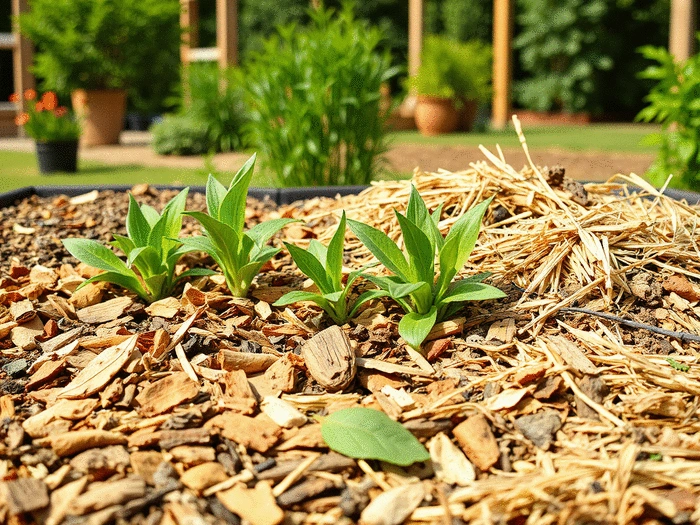
Soil Enrichment & Nutrient Supply
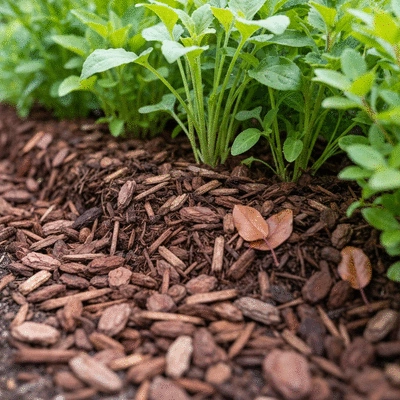
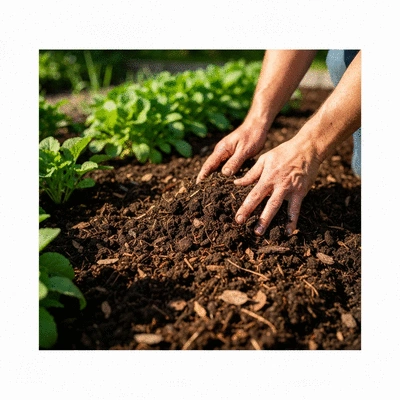
As mulch decomposes, it releases valuable nutrients, improving soil structure and promoting healthier plant growth.
Join Clara M. Greene's community for expert tips and seasonal guides tailored for American gardeners.
Posted on: 2026-03-29
By: Clara M. Greene
Have you ever pondered the myriad ways a simple layer of organic material can revolutionize your garden? Organic mulching is not just an aesthetic choice; it’s a powerful practice that nurtures both plants and the environment.
Discover the core advantages of organic mulching for healthier plants and a more sustainable garden.
As mulch decomposes, it releases valuable nutrients, improving soil structure and promoting healthier plant growth.
Mulch absorbs water and releases it gradually, maintaining consistent soil moisture, crucial during dry periods.
A protective mulch layer blocks sunlight, preventing weed germination and protecting the soil surface.
Mulch insulates soil, keeping it cooler in summer and warmer in winter, vital for plant health.
It holds soil in place, preventing erosion on slopes and during heavy rainfall, maintaining landscape stability.
A fresh layer of mulch provides a clean, polished finish, enhancing the visual appeal of garden beds.
As passionate gardeners, we often seek ways to improve our gardens sustainably. One effective method is organic mulching, a practice that not only enhances our gardens but also aligns with our commitment to the environment. So, what exactly is organic mulching? Let's explore this essential gardening technique together!
Organic mulching involves covering the soil with a layer of natural materials, such as leaves, straw, or wood chips. By doing this, we create a protective barrier that benefits our plants in numerous ways. It's a simple yet powerful approach to nurturing our gardens while being environmentally friendly! For more insights into sustainable practices, consider exploring our organic gardening tips for beginners.
At its core, organic mulching is the application of organic materials to the soil's surface. This layer serves multiple purposes, from regulating soil moisture to suppressing weeds. I love using this technique because it not only keeps my garden looking neat but also contributes to a healthier ecosystem in my backyard!
By choosing the right materials for mulching, we can significantly impact the overall health of our garden. Let's dive into the key benefits of organic mulching!
Organic mulching offers a plethora of benefits that every gardener should consider. Below, I've highlighted some of the most important advantages:
One of the standout benefits of organic mulch is its ability to enrich the soil. As the organic matter decomposes, it releases valuable nutrients that feed our plants. This process not only promotes healthier growth but also improves soil structure, allowing for better root development.
Mulch acts as a sponge, absorbing water during rainfall and gradually releasing it to the soil. This moisture retention is crucial, especially during hot summer months when plants are at risk of drying out. By maintaining consistent soil moisture, we help our plants thrive! Understanding how to fertilize garden plants can further enhance their growth.
Weeds can be a gardener's worst enemy, but organic mulching comes to the rescue! By covering the soil, mulch blocks sunlight, effectively preventing weed seeds from germinating. This means less time spent weeding and more time enjoying our gardens!
Organic mulch also plays a vital role in regulating soil temperature. In summer, it keeps the soil cool, while in winter, it provides insulation against frost. This temperature stability is essential for the wellbeing of our plants.
In addition to its other benefits, mulch helps prevent soil erosion, particularly on sloped landscapes. By holding the soil in place, it maintains the integrity of our garden beds and minimizes runoff during heavy rains.
Lastly, let’s not forget the visual appeal of organic mulching! A fresh layer of mulch can transform the look of our garden beds, providing a clean and polished finish that enhances the beauty of our plants. It’s a simple way to elevate our garden’s aesthetic without a lot of effort!
Incorporating organic matter into our gardens through mulching is not just beneficial for plants; it’s also vital for soil health. Organic materials help create a thriving ecosystem in the soil, boosting microbial activity. As these microbes flourish, they improve nutrient cycling, which ultimately leads to healthier, more productive gardens.
So, if you want to take your gardening game to the next level, consider implementing organic mulching in your practices. It's a small change that makes a big difference in building a sustainable garden!
To maximize the benefits of organic mulching, consider layering different types of organic materials. For example, start with a base of straw for moisture retention, then add a layer of wood chips for weed suppression. This combination not only enhances aesthetics but also provides a diverse range of nutrients as the materials break down!
A: Organic mulching is the practice of covering the soil surface with a layer of natural materials like leaves, straw, or wood chips to create a protective barrier that benefits plants and soil health.
A: The main benefits include soil enrichment, moisture retention, weed suppression, temperature regulation, erosion prevention, and aesthetic enhancement of garden spaces.
A: As organic mulch decomposes, it releases valuable nutrients into the soil, improving its structure and promoting healthier plant growth.
A: Yes, a layer of organic mulch blocks sunlight, effectively preventing weed seeds from germinating and reducing the need for manual weeding.
A: Organic mulch insulates the soil, keeping it cooler in the summer and warmer in the winter, which is crucial for maintaining stable soil temperatures beneficial for plant health.
As we wrap up our exploration of organic mulching, it’s clear that this sustainable gardening practice offers incredible benefits for both your plants and the environment. Whether you’re a seasoned gardener or just starting out, integrating organic mulch into your gardening routine can truly transform your green spaces. Let’s take a moment to recap why organic mulching deserves a spot in every gardener’s toolkit!
Organic mulching is more than just an aesthetic choice; it’s a strategy packed with practical benefits. From enhancing soil health to minimizing maintenance, the reasons to embrace this technique are numerous. Here are some key advantages:
Incorporating organic mulch not only nurtures your garden but also aligns with sustainable practices that benefit our planet. This is something I emphasize in my work at All American Gardeners, where we champion the idea that gardening can be both beautiful and ecologically responsible!
Are you ready to elevate your gardening game? Starting your organic mulching journey is simple! Choose a type of organic mulch that fits your garden’s needs, and don’t hesitate to experiment with different materials. Remember, gardening is a learning process, and every season brings new opportunities to grow!
At All American Gardeners, I’m dedicated to providing you with the resources you need to succeed. Check out our guides for tips on selecting the right mulch and the best techniques for application. Let’s work together to create thriving, sustainable gardens that flourish year-round! You might also find our guide on benefits of raised garden beds helpful for structuring your garden.
To deepen your understanding of organic mulching and its benefits, explore our extensive library of resources. Here are a few links to guides that complement your journey:
Have you tried organic mulching in your garden? I’d love to hear about your experiences! Sharing your success stories not only helps inspire others but also builds a community of fellow gardeners eager to learn and grow. Join the conversation in our comments section or connect with us on social media!
In addition to organic mulching, consider other eco-friendly practices to enhance your gardening efforts. Here are some practical tips to get you started:
By adopting these practices, you’ll not only help your garden thrive but also contribute positively to the environment! Let’s make a difference together, one garden at a time.
Here is a quick recap of the important points discussed in the article: