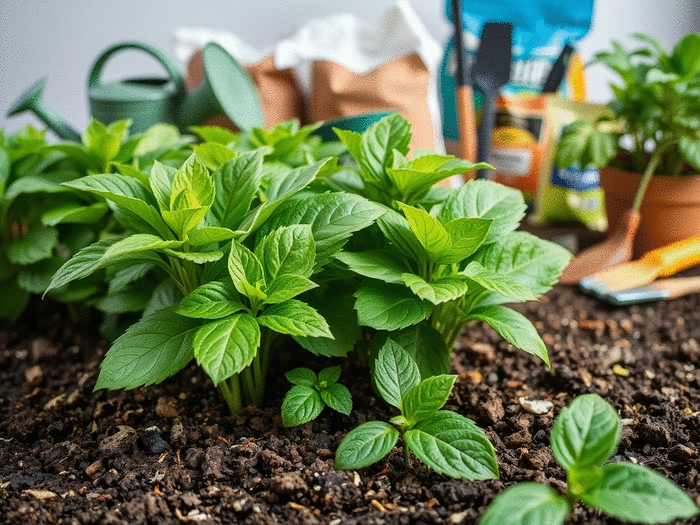
Essential Macronutrients (N-P-K)
- Nitrogen (N): Leafy growth, vibrant foliage
- Phosphorus (P): Root & flower development
- Potassium (K): Overall vigor, stress resistance
*Required in larger amounts
Join Clara M. Greene's community for expert tips and seasonal guides tailored for American gardeners.
Posted on: 2026-03-25
By: Clara M. Greene
What if the secret to a flourishing garden lies in understanding the nutrients your plants crave? By unlocking the fundamentals of fertilization, you can transform your gardening experience and yield vibrant results!
Understanding the key components and methods for fertilizing your garden plants is crucial for healthy growth. This overview highlights the essential nutrients, the importance of soil testing, and a comparison of fertilizer types.
*Required in larger amounts
*Support chlorophyll & enzyme function
Fertilizing your garden can feel overwhelming, especially with all the options out there! But don’t worry, I’m here to help you understand the basics of fertilizing your garden plants effectively. A solid foundation starts with knowing what your plants actually need to thrive. Let's explore the essential nutrients for garden growth and the science behind them.
Plants, just like us, require a balanced diet to flourish. The primary nutrients that support their growth can be grouped into three key categories known as N-P-K: nitrogen (N), phosphorus (P), and potassium (K). Each of these plays a crucial role in plant health.
The N-P-K ratio on fertilizer bags tells you the percentage of each nutrient it contains. For example, a 10-10-10 fertilizer has equal parts nitrogen, phosphorus, and potassium. Nitrogen promotes leafy growth, phosphorus encourages root and flower development, and potassium helps with overall plant vigor. Understanding these ratios helps you choose the right fertilizer for your garden’s specific needs. For more details on maintaining overall plant health, check out our plant care tips for home gardeners.
Another key factor is soil pH, which affects how well your plants can absorb these nutrients. Most vegetables thrive in soil that is slightly acidic to neutral (pH 6.0-7.0). If your soil is too acidic or too alkaline, certain nutrients become unavailable to your plants. Testing your soil's pH will give you important insights into adjustments you may need to make.
Besides the primary nutrients, plants also need secondary macronutrients like calcium, magnesium, and sulfur, along with various micronutrients such as iron and manganese. While these are required in smaller amounts, they are equally essential for plant health. Here’s a quick overview of the nutrients:
By ensuring your plants receive a well-rounded mix of these nutrients, you can promote healthier, more productive growth.
Before adding any fertilizers, it’s best practice to conduct soil tests. Why? Because knowing what your soil lacks can save you time, money, and a lot of guesswork! Understanding your soil composition helps you determine the right type and amount of fertilizer needed for optimal growth.
When you receive your soil test results, you'll see information on nutrient levels and pH. This data is invaluable for creating a tailored fertilization plan. For example, if your soil is low in nitrogen, you can opt for a fertilizer higher in that nutrient. Tailoring your fertilizer based on these results leads to better plant health and growth! For more information on maintaining healthy soil, explore our guide on healthy soil for thriving gardens.
I recommend testing your soil at least once a year, especially in the spring before planting. Regular testing helps you keep track of nutrient levels and make necessary adjustments over time. Remember, your garden's needs can change season by season!
In addition to fertilizers, soil amendments can greatly benefit your garden. These include organic matter like compost, which improves soil structure and nutrient retention. Additionally, if tests reveal nutrient deficiencies, you can apply specific amendments to address these issues. Here’s a quick list of amendments to consider:
By incorporating these amendments alongside your fertilizers, you’re setting your garden up for success!
To maximize the effectiveness of your fertilizers, consider applying them during the early morning or late afternoon. This timing helps prevent nutrient loss due to evaporation and allows your plants to absorb the nutrients more efficiently. Additionally, always follow the recommended application rates to avoid over-fertilization, which can harm your plants.
N-P-K stands for Nitrogen (N), Phosphorus (P), and Potassium (K). Nitrogen promotes leafy growth and vibrant foliage, Phosphorus encourages root and flower development, and Potassium helps with overall plant vigor and stress resistance.
Soil pH affects the availability of nutrients to plants. Most plants thrive in a slightly acidic to neutral pH (6.0-7.0). If the pH is too high or too low, certain essential nutrients can become locked up in the soil and unavailable for plant uptake, even if they are present.
It's recommended to test your soil at least once a year, ideally in the spring before planting. Soil tests identify nutrient deficiencies and determine the soil's pH, allowing you to tailor your fertilization strategy and avoid guesswork, saving time and money.
Macronutrients (like N, P, K, calcium, magnesium, sulfur) are required by plants in larger quantities for growth. Micronutrients (like iron, manganese, zinc, copper, molybdenum) are also essential but needed in much smaller amounts. Both are crucial for various plant processes.
Both organic and synthetic fertilizers have benefits. Organic fertilizers (e.g., compost) improve soil health and release nutrients slowly, promoting sustainable practices. Synthetic fertilizers offer quick nutrient availability but require careful application to prevent over-fertilization, which can harm plants.
As we wrap up our discussion on fertilizing your garden, it's important to highlight a few key strategies that can lead to your gardening success. Remember, understanding essential nutrients and conducting soil tests can significantly improve your plants' health. Taking the time to assess what your soil needs will help you provide the right nutrients at the right time!
To grow healthy and thriving plants, you need to focus on three main nutrient categories: macronutrients, micronutrients, and their availability in your soil. Here’s a quick summary:
By keeping these points in mind, you can create a balanced approach to fertilizing, ensuring your plants receive everything they need to flourish!
When it comes to selecting fertilizers, it’s crucial to decide between organic and synthetic options. Each has its benefits and can be tailored to your gardening style. Here's a brief comparison:
After choosing the right fertilizer, consider your application method. Techniques like broadcasting, side-dressing, and foliar feeding can maximize your plants’ nutrient intake. Always time your applications to coincide with your plants' growth stages for the best results! For additional guidance on effective pest management alongside fertilization, refer to our effective natural pest control tips.
Ready to take your gardening to the next level? Let’s get started on some practical steps that can enhance your fertilizing practices!
Starting with a soil test is one of the most effective ways to ensure your plants receive the right nutrients. This simple step can help you avoid unnecessary fertilizers and save you time and money. At All American Gardeners, we recommend testing your soil at least once a year, ideally in the spring, before planting season begins!
To help you stay organized, I’ve created a handy fertilization schedule template that you can download and use for your garden. This tool will guide you on when and how much to fertilize based on your specific plants. Just imagine how much easier your gardening journey will be when you have a clear plan in place! To further enhance your gardening toolkit, consider exploring essential garden hand tools that can make your tasks more efficient.
Here is a quick recap of the important points discussed in the article: