Hand Trowel
Uses: Digging, transplanting, and potting
$10 - $30Versatile
Pruning Shears
Uses: Trimming and shaping plants
$15 - $50Plant Health
Join Clara M. Greene's community for expert tips and seasonal guides tailored for American gardeners.
Posted on: 2026-02-20
By: Clara M. Greene
Investing in quality gardening tools can transform your gardening experience from tedious to enjoyable. Have you ever wondered which tools are essential for creating a thriving garden? Here’s an overview of the crucial lessons you’ll take away from understanding essential garden hand tools tailored for American gardeners.
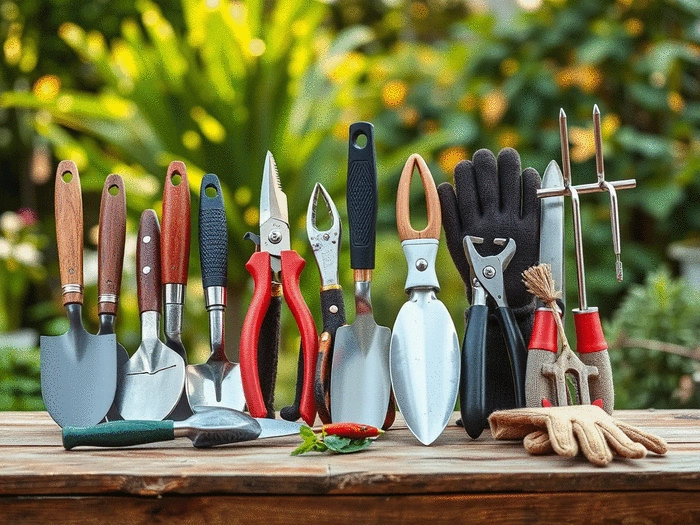
This visual presents a comparative analysis of essential garden hand tools, highlighting their uses, approximate prices, and key benefits to help gardeners make informed choices.
Uses: Digging, transplanting, and potting
Uses: Trimming and shaping plants
Uses: Turning and loosening soil
Uses: Cutting larger branches
Uses: Digging, planting, and weeding
Uses: Digging and transplanting
Uses: Removing weeds
Uses: Digging and edging
Uses: Leveling soil and collecting debris
Uses: Protecting hands during work
As a passionate gardener myself, I can't stress enough the importance of selecting quality hand tools tailored for American gardening needs. The right tools not only make tasks easier but also enhance overall productivity and enjoyment in the garden. Whether you're digging, planting, or pruning, having tools designed for your specific gardening style can significantly impact your gardening experience! For those just starting out, check out our guide on essential tools for new gardeners.
In the U.S., our diverse climates and soil types mean that not all tools work equally well for every gardener. Investing in reliable tools that suit your gardening needs can lead to healthier plants and a more fruitful season. Let's dive into why choosing the right tools matters and how to identify what fits best for your gardening journey!
Every gardener knows that tools are the backbone of any successful gardening adventure. Using the right gardening tools can make your tasks more efficient and enjoyable. For instance, using a well-crafted hand trowel can help you dig holes for planting without straining your back. Plus, quality tools last longer and perform better, meaning less time and money spent on replacements!
When you choose the right tools for your garden, you are setting yourself up for success. By investing a little time in selecting the best tools, you can ensure your gardening endeavors yield fruitful results!
Your gardening style greatly influences the types of tools you'll need. Are you focused on growing vibrant flowers, fresh vegetables, or perhaps you have a limited urban space? Identifying your gardening style helps narrow down the essential tools you should consider. Let's explore a few common styles:
Recognizing your gardening style not only helps you choose the right tools but also ensures that your gardening process aligns with your personal passion and goals. Remember, your garden reflects your unique style, so equip yourself with tools that match! For more detailed guidance on specific plant needs, consider understanding plant tag information, which can help you select appropriate tools for specific plant care.
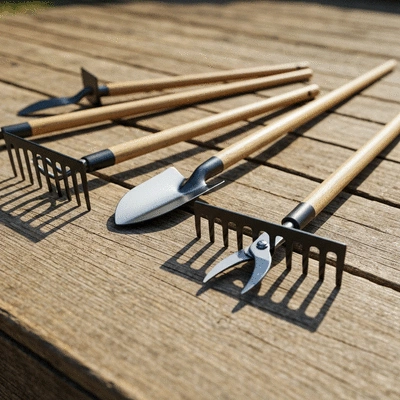
The hand trowel is a must-have for every gardener. It’s perfect for digging, planting, and transplanting seedlings. When selecting a trowel, look for one that feels comfortable in your hand and has a sturdy, rust-resistant blade.
Don’t forget to consider the handle; an ergonomically designed grip can make a world of difference during long gardening sessions!
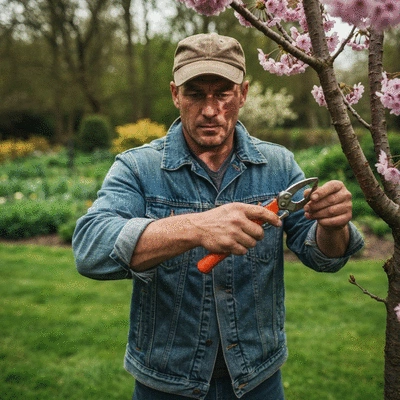
Pruning shears are vital for maintaining your plants' health. They help remove dead or overgrown branches, allowing for better air circulation and sunlight penetration. When choosing shears, opt for those with a sharp blade and an easy-to-use lever mechanism. This way, your hands won’t tire as you keep your plants looking their best!
A garden fork is perfect for loosening soil, turning compost, and breaking up hard ground. There are different types available, including the classic digging fork and the broad fork. Each has its specific uses that can make your soil preparation effortless and effective.
Loppers are essential for cutting thicker branches that pruning shears can’t handle. They provide leverage, making it easier to prune without straining your arms. When selecting loppers, look for a model with a comfortable grip and a sharp blade for clean cuts.
This Japanese gardening tool is incredibly versatile. It can function as a trowel, knife, and even a weeder! With a serrated edge on one side and a flat blade on the other, it’s perfect for digging, cutting roots, and planting bulbs.
A soil knife is another invaluable tool for any gardener. It’s designed for digging, cutting, and even weeding. The ergonomic handle reduces strain on your hands, making it a joy to use when transplanting or cutting through tough roots.
Keeping your garden free of weeds is essential for plant health. A good weeder helps you easily uproot weeds without disturbing your plants. Look for a weeding tool with a sharp tip and a comfortable grip to make this task faster and more efficient!
A spade is a cornerstone tool for every gardener. It’s great for digging holes, edging garden beds, and turning soil. When choosing a spade, ensure it has a strong and durable blade, and consider one with a long handle to provide extra leverage.
Rakes are perfect for gathering leaves, leveling soil, and preparing seedbeds. When selecting a rake, choose one that balances weight and durability, making it easier to handle while still being effective in your garden tasks.
Lastly, never underestimate the importance of garden gloves. They protect your hands from blisters, dirt, and potential cuts. Look for gloves made from breathable material that still provides a good grip. They’ll keep your hands safe and comfortable while you work! To further enhance your gardening practices, consider exploring organic gardening tips for beginners, which often emphasize the use of appropriate hand tools for gentle care.
As you embark on your gardening journey, which tool do you think will have the most significant impact on your success? Share your thoughts below:
A: Quality tools enhance productivity, make tasks easier and more enjoyable, last longer, and contribute to healthier plants by performing better.
A: Identify your gardening style (e.g., vegetable, flower, urban). This helps narrow down tools that are most suitable for your specific tasks and space limitations.
A: Key tools include a hand trowel, pruning shears, garden fork, loppers, Hori Hori knife, soil knife, weeder, spade, garden rake, and protective garden gloves.
A: The Hori Hori knife is a versatile Japanese tool that functions as a trowel, knife, and weeder, perfect for digging, cutting roots, and planting bulbs.
A: Yes, consider tools made from recycled materials, reclaimed wood, natural fiber gloves, solar-powered lights, and non-toxic pest control sprays to support sustainable gardening practices.
When it comes to selecting the right gardening tools, having the right information is crucial! At All American Gardeners, we understand that choosing tools can feel overwhelming with so many options available. That's why I'm here to break down essential tools and help you make informed decisions that cater to your unique gardening needs.
To make your tool selection easier, I’ve created a comparison table that highlights the uses, prices, and benefits of each tool we've discussed previously. This way, you can quickly see which tools align with your gardening style and budget!
| Tool | Uses | Approx. Price | Benefits |
|---|---|---|---|
| Hand Trowel | Digging, transplanting, and potting | $10 - $30 | Versatile and perfect for small tasks |
| Pruning Shears | Trimming and shaping plants | $15 - $50 | Essential for maintaining plant health |
| Garden Fork | Turning and loosening soil | $20 - $40 | Great for breaking up compacted soil |
| Loppers | Cutting larger branches | $25 - $60 | Powerful tool for heavy pruning |
| Hori Hori Knife | Digging, planting, and weeding | $15 - $35 | Multi-functional and durable |
| Soil Knife | Digging and transplanting | $10 - $25 | Efficient for tough digging tasks |
| Weeder | Removing weeds | $10 - $20 | Helps keep your garden healthy |
| Spade | Digging and edging | $30 - $70 | Sturdy and reliable for various tasks |
| Garden Rake | Leveling soil and collecting debris | $15 - $35 | Essential for cleanup and preparation |
| Garden Gloves | Protecting hands during work | $5 - $20 | Safety and comfort while gardening |
By reviewing this comparative analysis, you can better understand which tools are worth your investment based on your gardening needs. Remember, quality tools can make a world of difference in your gardening experience!
As we move towards more sustainable gardening practices, I encourage you to consider eco-friendly gardening tools. These tools not only benefit the environment but also enhance the longevity and health of our gardens. Look for tools made from recycled materials or those that are biodegradable. Here are some great eco-friendly options to consider:
By making the switch to these sustainable options, you’re not just investing in your garden but also in the health of our planet. Every little step counts, and I believe together we can make a positive impact!
Gardening doesn't have to be a solitary journey! I always encourage gardeners to connect with others in the community. Joining gardening forums or local clubs can provide invaluable insights and tips. You’ll find shared experiences can lead to new ideas and solutions to common challenges. Plus, it’s a great way to discover tool recommendations that have worked for others just like you!
Investing in essential gardening tools is a crucial step towards achieving a flourishing garden. Don't hesitate to explore affiliate links for purchasing options that suit your needs and budget. Remember, the right tools make all the difference in your gardening journey! Let’s cultivate beautiful gardens together!
Here is a quick recap of the important points discussed in the article: