Plant Identification & Types
Plant tags help recognize specific species and varieties. This includes common and scientific names, enabling gardeners to research care needs effectively.
Join Clara M. Greene's community for expert tips and seasonal guides tailored for American gardeners.
Posted on: 2026-02-18
By: Clara M. Greene
Have you ever been puzzled by the tiny tags attached to your plants? These small, often overlooked pieces of information hold the key to ensuring your garden thrives. Understanding plant tags can dramatically enhance your gardening experience, empowering you to make informed choices that promote plant health and beauty.
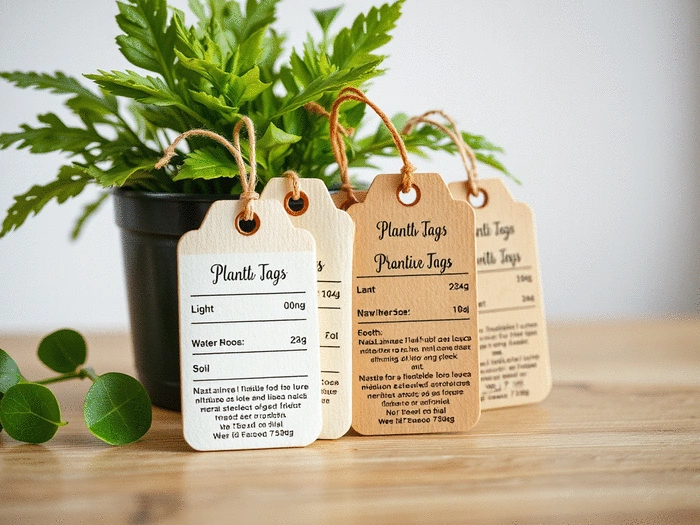
Plant tags are essential tools for gardeners, providing crucial information for plant identification and care. This visual highlights the main categories of information found on plant tags and how they guide successful gardening practices. For those just starting their gardening journey, essential tools for new gardeners can make a significant difference.
Plant tags help recognize specific species and varieties. This includes common and scientific names, enabling gardeners to research care needs effectively.
Symbols indicate requirements for sunlight (full sun, partial, shade), watering (dry, moderate, moist), and spacing, guiding proper plant maintenance.
Hardiness zones (e.g., 1-13 in U.S.) determine if a plant suits local climate, ensuring successful growth and reducing plant loss.
Seasonal needs change; tags inform when to adjust watering (more in summer, less in winter) and fertilization for year-round health.
Water quality (chlorine, pH, contaminants) affects plant health. Tags can implicitly guide water treatment, like letting tap water sit.
Tags differentiate care for container vs. ground plants, covering drainage, spacing, and fertilization needs for optimal growth.
Welcome to the world of gardening! If you're just starting out, you might find yourself wondering about plant tags. These small pieces of information are crucial for any gardener, whether you're planting a few herbs on a windowsill or cultivating a more extensive garden. Plant tags serve multiple purposes, and understanding them can make a significant difference in your gardening success.
Essentially, plant tags provide valuable information about the plants you’re nurturing. They inform you about the species, care instructions, and even compatibility with your garden’s environment. By paying attention to these tags, you can ensure that your plants thrive and flourish!
Plant tags are like a roadmap for your garden. They tell you what type of plant you’re dealing with and include important details such as growing conditions and care requirements. This is especially helpful for new gardeners who may not yet have a grasp on what their plants need.
By understanding and utilizing these tags, you can confidently select plants that will not only grow but also beautify your outdoor space. At All American Gardeners, we believe that this knowledge empowers you to make informed decisions that lead to a successful gardening experience!
Now that you know what plant tags are, let’s dive into some of the symbols you’ll often find on them. Understanding these symbols can make your gardening journey much smoother, especially when you’re trying to follow the best care practices for your plants.
Plant tags typically feature various visual symbols that indicate vital care information. Here are some common ones:
By recognizing these symbols, you can tailor your care to meet each plant's specific needs. It’s all about making your garden flourish!
Another crucial aspect of plant tags is the hardiness zone information. These zones help you understand which plants will thrive in your specific climate. For instance, a plant labeled for zone 5 may struggle in warmer climates, while it could thrive in colder areas. To learn more about specific zones, explore our guide on USDA Hardiness Zones Explained.
In the U.S., hardiness zones are numbered from 1 to 13, with lower numbers indicating colder climates. Knowing your zone helps you select plants that are well-suited to your environment, ensuring a more successful gardening experience.
Plant tags also play a vital role in identifying various plant species. Each tag typically includes the plant's common and scientific names, which is essential for anyone looking to expand their knowledge of gardening.
This identification is especially beneficial when you’re trying to learn about the specific care needs of your plants. When you know what you’re growing, you can easily research their requirements and ensure they get the attention they need!
Did you know? Keeping a gardening journal can greatly enhance your gardening experience! Document the information from your plant tags, including growth patterns, watering schedules, and seasonal changes. This not only helps in tracking your plants’ progress but also allows you to make informed decisions for future gardening projects. Plus, it’s a great way to reflect on your gardening journey!
Plant tags typically provide the plant's common and scientific names, care instructions (sunlight, water, soil needs), and hardiness zone information.
Symbols usually indicate sun requirements (full sun, partial shade, full shade), watering needs (dry, moderate, moist), and spacing guidelines for planting.
The hardiness zone tells you if a plant is suitable for your local climate, helping you choose plants that will survive and thrive in your specific region.
Water quality (pH, presence of chlorine, or contaminants) can significantly impact plant health. For example, chlorine in tap water can harm sensitive plants, so letting it sit out can be beneficial.
Yes, plant tags often differentiate care for container plants (which may need more frequent watering and fertilization due to limited soil volume) and ground-planted species (which might tolerate heavier soils and require less frequent feeding).
Plant tags are not just informational; they are your roadmap to successful gardening! By understanding and utilizing the details provided on these tags, you can significantly enhance your gardening experience. Let’s dive into how to maximize the benefits of plant tags throughout the seasons.
As seasons change, so do the needs of your plants. It’s important to adjust your care routines accordingly. For example, during the warmer months, plants may require more frequent watering and fertilizing, while in the colder months, reducing water and fertilizer is often necessary to prevent root rot.
By paying attention to your plant tags and making seasonal adjustments, you’ll foster healthier plants that thrive throughout the year. Remember, responsive care is key to a flourishing garden!
Did you know that the quality of water you use can greatly impact plant growth? Water quality can vary based on your source—tap water, rainwater, or well water—each with its own characteristics. Let’s explore how it affects plant care:
By understanding these aspects of water quality through your plant tags, you can make informed choices that support robust plant health. After all, healthy plants start with clean water!
When it comes to planting, the instructions on plant tags can differ significantly between container gardening and ground planting. Let’s break down these differences! For more detailed guidance, consider these plant care tips for home gardeners.
Being aware of these differences can help you adjust your care based on the growing environment. Whether you’re nurturing plants in a pot or a garden bed, make sure to consult those plant tags to ensure you’re giving each plant the best chance to thrive!
Gardening is more fun when we share our experiences! I encourage you to engage with fellow gardeners and share your successes and challenges related to plant tags. Whether it’s through social media, community gardens, or local gardening clubs, connecting with others can provide invaluable insights and inspiration!
Now that you’re equipped with knowledge about plant tags, it’s time to put it into action! Begin by reviewing your existing plants and their tags. Ask yourself:
Taking these steps will help ensure a healthy, thriving garden!
To continue your gardening education, check out these resources:
These resources will deepen your understanding and help you cultivate a successful gardening journey. Remember, I'm here to support you every step of the way! Happy gardening! For more practical advice on getting started, explore our guide on organic gardening tips for beginners.
Here is a quick recap of the important points discussed in the article: