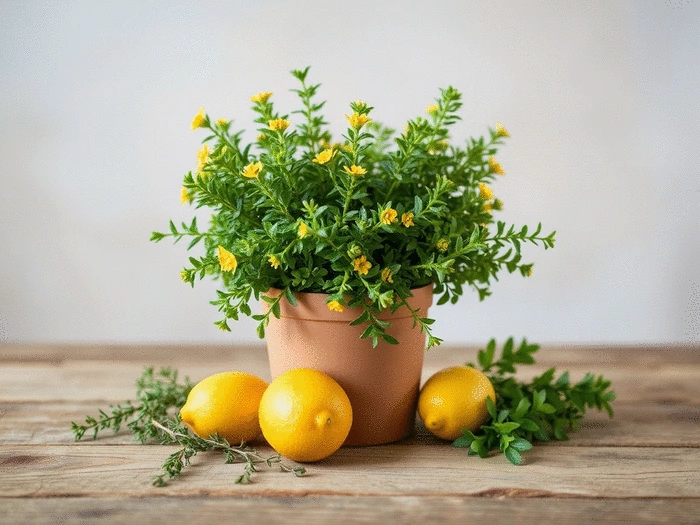
Have you ever considered how a single herb can transform your culinary experiences and beautify your garden? The Lemon Thyme plant, with its refreshing aroma and culinary versatility, offers just that. Let’s explore the essential insights you can gain from cultivating this delightful herb!
What You Will Learn
Lemon Thyme thrives best in at least 6-8 hours of sunlight per day.
Utilize well-draining soil enriched with organic matter for optimal growth.
Water the plants sparingly, allowing the soil to dry out between watering sessions.
Regular pruning encourages bushier growth and enhances the flavor of the leaves.
Lemon Thyme is not only a culinary herb but also attracts pollinators, making it eco-friendly.
Lemon Thyme vs. Common Thyme: A Comparative Overview
Delving into the world of Thyme, we explore the distinct characteristics that set Lemon Thyme apart from its common counterpart. Below is a side-by-side comparison focusing on their unique flavor profiles and growth habits. For more on growing similar aromatic plants, consider our guide to growing your own herb garden.
Lemon Thyme (Thymus citriodorus)
Flavor Profile: Offers a distinct citrusy twist, reminiscent of fresh lemons. Bright and tangy.
Growth Habits: Tends to be more sprawling, making it excellent for ground cover or border planting. Can grow up to 12 inches tall and spread 1-2 feet wide.
Culinary Uses: Shines in salad dressings, marinades, poultry, and seafood.
Common Thyme (Thymus vulgaris)
Flavor Profile: Has a more earthy, robust, and slightly peppery flavor.
Growth Habits: Typically more upright and compact. Ideal for garden beds and pots.
Culinary Uses: Often favored in stews, sauces, roasted meats, and hearty dishes.
Understanding the Lemon Thyme Plant: An Informative Overview
Welcome to the world of Lemon Thyme, a delightful herb that brings a zesty twist to your garden and kitchen! As a passionate gardener, I’ve found that this perennial favorite—officially known as Thymus citriodorus—is not only easy to grow but also provides a unique flavor profile that can elevate a variety of dishes.
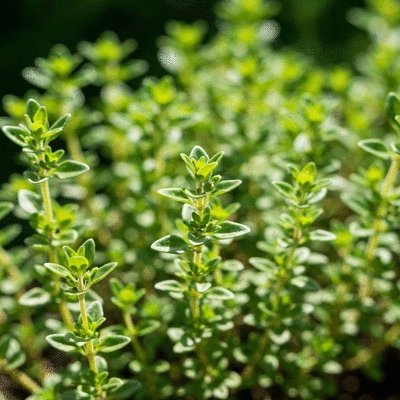
Let’s dive deeper into the fascinating characteristics of Lemon Thyme. This herb features small, ovate leaves that emit a refreshing lemon scent when crushed. It's a beautiful addition to any garden, with its soft, green foliage often adorned with small purple flowers that attract pollinators. Isn’t that a win-win for both your cooking and the environment?
What is the Lemon Thyme Plant?
Botanical Identity and Characteristics: Thymus citriodorus
The Lemon Thyme plant, belonging to the mint family, is a delightful herb that thrives in various climates across the United States. Known for its lemon-scented aroma, it’s a perennial favorite among home gardeners like us! This herb is often used in culinary dishes, making it a staple in Mediterranean cooking. It's not just about the taste; the plant's resilience and adaptability make it an excellent choice for both novice and seasoned gardeners. To learn more about where different plants can thrive, explore our guide to USDA Hardiness Zones.
Understanding the botanical identity of Lemon Thyme helps us appreciate its unique qualities. Did you know that it can grow up to 12 inches tall and can spread about 1-2 feet wide? This makes it perfect for both garden beds and pots!
Distinctive Features: Flavor and Aroma of Lemon-Scented Herbs
Lemon Thyme stands out not just for its lovely appearance but also for its captivating flavor. The scent is reminiscent of fresh lemons, which can brighten up any culinary creation! Here are a few distinctive features that make this herb truly special:
Culinary Versatility: Lemon Thyme pairs beautifully with poultry, seafood, and roasted vegetables.
Aromatic Qualities: Its fragrance can enhance the ambiance of your garden.
Health Benefits: Like many herbs, it boasts antioxidant properties.
Incorporating Lemon Thyme into your cooking or garden can add both flavor and charm. Imagine infusing your dishes with this delightful herb—it’s sure to impress your family and friends!
Growing Conditions for Healthy Lemon Thyme
Optimal Sunshine and Soil Requirements for Perennial Herbs
To thrive, Lemon Thyme needs plenty of sunshine—ideally, at least 6-8 hours per day! It loves well-draining soil that’s rich in organic matter, so consider mixing in compost to give it a nutrient boost. This herb is drought-tolerant once established, making it a great choice for those of us who may sometimes forget to water.
When planning your garden, aim for a sunny spot where Lemon Thyme can flourish. Not only will it thrive, but it will also provide you with a lovely aroma as you work in your garden!
Watering Needs and Drought Tolerance: Techniques for Success
Watering Lemon Thyme requires a bit of finesse. It's essential to keep the soil moderately moist, especially during the plant's initial growth phase. Here are some key tips to ensure success:
Check Soil Moisture: Stick a finger into the soil; if it feels dry an inch down, it’s time to water.
Water Deeply: Give the plant a good soak, allowing water to reach the roots before letting it dry out.
Mulch: Adding a layer of mulch can help retain moisture and keep weeds at bay.
By following these techniques, you’ll set your Lemon Thyme up for success, allowing you to enjoy its vibrant flavor all season long!
Hardiness Zones and Maintenance Tips for Container Gardening
Lemon Thyme is hardy in USDA zones 4-9, making it suitable for a wide range of gardeners across the country. If you’re considering container gardening, choose a pot with good drainage to prevent root rot. Here are some maintenance tips to keep your container-grown Lemon Thyme thriving:
Fertilization: Fertilize sparingly, using a balanced fertilizer every few months.
Pruning: Regularly trim back the plant to encourage bushier growth and prevent legginess.
Seasonal Care: Bring containers inside during harsh winters or cover them to protect against frost.
With a bit of care, your potted Lemon Thyme can flourish and provide fresh herbs for your culinary adventures!
Propagation Methods for Lemon Thyme
Starting from Seeds: Best Practices for Plant Propagation
Propagating Lemon Thyme from seeds can be a fun project! Start seeds indoors about 6-8 weeks before your last frost date. Use seed starting mix and keep the soil moist. It’s a great way to fill your garden with this delightful herb!
Once the seedlings have a few sets of true leaves, they can be transplanted into larger pots or directly into your garden. This method allows you to nurture new plants from the very beginning!
Using Cuttings and Runners for New Plants
If you have an established Lemon Thyme plant, taking cuttings is an easy way to propagate! Here’s how:
Select Healthy Stems: Choose stems that are green and healthy, ideally in the spring or early summer.
Prepare Cuttings: Cut a 4-6 inch piece just below a leaf node.
Rooting: Place the cuttings in soil or water until roots develop, then transplant.
Using cuttings not only helps multiply your plants but also allows you to share the joy of gardening with friends and family!
Timing and Techniques for Transplanting: Seasonal Planting Insights
The best time to transplant Lemon Thyme is during the spring or fall when temperatures are moderate. If you’re moving your plant, make sure to:
Water the Plant: Give it a good drink before transplanting to reduce shock.
Prepare the New Location: Ensure the new spot has the right soil and sunlight conditions.
Monitor After Transplanting: Keep an eye on moisture levels as the plant adjusts.
By following these tips, you’ll ensure your Lemon Thyme thrives in its new home and continues to provide that delicious flavor we all love!
Common Uses of Lemon Thyme
Culinary Applications and Flavor Pairings in Mediterranean Cuisine
Lemon Thyme is a favorite among cooks for its bright, tangy flavor. It enhances a variety of dishes, particularly in Mediterranean cuisine. Here are some popular uses:
Seasoning Meat: Perfect for marinating chicken or fish.
Flavoring Soups and Stews: Adds a refreshing twist to hearty dishes.
Garnishing Salads: A sprinkle of fresh Lemon Thyme can elevate any salad!
Its versatility in the kitchen makes it a must-have herb for home cooks and food enthusiasts alike!
Ornamental Value in Gardening and Edible Landscaping
Not only is Lemon Thyme a culinary delight, but it also serves as an attractive ground cover in gardens. Its low-growing habit makes it ideal for filling spaces between stepping stones or borders. Plus, it’s a natural pest repellent, helping to protect other plants in your garden!
Imagine creating a beautiful edible landscape, where every herb not only serves a purpose but also adds beauty to your outdoor space!
Benefits for Pollinators and Eco-Friendly Landscaping
Planting Lemon Thyme isn’t just beneficial for us—it’s great for pollinators too! The small flowers attract bees and butterflies, promoting biodiversity in your garden. Here’s why it’s fantastic for eco-friendly landscaping:
Supports Wildlife: Attracts beneficial insects that contribute to a healthy ecosystem.
Natural Pest Control: Repels harmful pests without chemicals.
Enhances Soil Health: Its root system can improve soil structure.
By incorporating Lemon Thyme into your garden, you’re supporting both your culinary needs and the environment!
Exploring Lemon Thyme Tea and Other Herbal Remedies
Lemon Thyme tea is a delightful way to enjoy the herb’s benefits. Simply steep the leaves in hot water for a calming drink that can aid digestion and soothe your senses. Other herbal remedies using Lemon Thyme may include:
Infusions: Combine with honey for soothing throat relief.
Herbal Bath: Add to baths for a relaxing aroma.
Hair Rinse: Use as a rinse to promote scalp health.
These simple uses can enhance your health and wellness routines, making Lemon Thyme a valuable addition to your home!
Addressing Common Challenges with Lemon Thyme Care
Pest Management and Disease Prevention: Strategies and Resistance
While Lemon Thyme is generally pest-resistant, it’s always a good idea to be on the lookout for aphids and spider mites. Here are some strategies for keeping your plants healthy:
Regular Inspection: Check under leaves and on stems for signs of pests.
Natural Remedies: Use insecticidal soap or neem oil for pest control.
Encourage Beneficial Insects: Attract ladybugs and lacewings to help manage pests.
By being proactive, you’ll ensure that your Lemon Thyme remains healthy and productive!
Winter Protection and Overwatering Troubles
Winter can be challenging for Lemon Thyme. If you live in a colder climate, consider these tips to protect your plants:
Mulching: Apply a layer of mulch to insulate the roots.
Covering: Use burlap or frost cloth to shield from harsh winter winds.
Avoid Overwatering: Ensure soil drains well to prevent root rot in winter.
Taking these precautions will help your Lemon Thyme thrive through the colder months!
Harvesting Techniques and Storage Tips for Dried Herbs
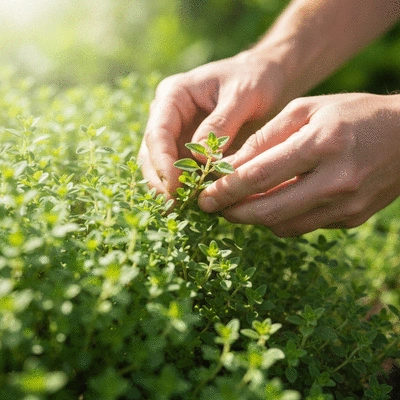
Harvesting Lemon Thyme is simple! Snip off the stems just above a leaf node to encourage new growth. When it comes to storage:
Drying: Hang bunches upside down in a dark, dry space.
Storing: Keep dried herbs in airtight containers away from light.
Using Fresh: Fresh cuttings can be stored in a glass of water in the fridge.
By following these tips, you’ll always have access to your favorite herb, whether fresh or dried!
Comparing Lemon Thyme to Common Thyme
Flavor Profiles and Culinary Differences: Thyme vs Lemon Thyme
While both Lemon Thyme and common Thyme (Thymus vulgaris) belong to the same family, their flavor profiles differ significantly. Lemon Thyme offers a citrusy twist, while common Thyme has a more earthy, robust flavor. This distinction allows for creative flexibility in the kitchen!
Growth Habits and Ideal Uses in Cooking Recipes
In terms of growth, Lemon Thyme tends to be slightly more sprawling than common Thyme, making it an excellent choice for ground cover or as a border plant. In cooking, I find that Lemon Thyme shines in salad dressings and marinades, while common Thyme is often favored in stews or sauces. Both herbs have their place, and learning when to use each can elevate your culinary skills!
Frequently Asked Questions About Lemon Thyme
What is Lemon Thyme?
Lemon Thyme (Thymus citriodorus) is a perennial herb from the mint family, known for its distinct lemon-scented aroma and flavor. It is used culinarily and has ornamental value in gardens.
How much sunlight does Lemon Thyme need?
Lemon Thyme thrives in plenty of sunshine, ideally receiving at least 6-8 hours of direct sunlight per day.
What kind of soil is best for Lemon Thyme?
It prefers well-draining soil enriched with organic matter. Mixing in compost can provide a good nutrient boost.
How often should I water Lemon Thyme?
Water sparingly, allowing the soil to dry out about an inch down between watering sessions. It is drought-tolerant once established.
Can Lemon Thyme be grown in containers?
Yes, Lemon Thyme grows well in pots. Ensure the container has good drainage to prevent root rot.
How do I propagate Lemon Thyme?
You can propagate Lemon Thyme from seeds (starting indoors 6-8 weeks before the last frost) or from cuttings (taking healthy 4-6 inch stems in spring or early summer).
What are the culinary uses for Lemon Thyme?
Its bright, tangy flavor pairs well with poultry, seafood, roasted vegetables, salads, salad dressings, marinades, and in soups and stews.
Does Lemon Thyme attract pollinators?
Yes, its small purple flowers attract bees and butterflies, making it beneficial for eco-friendly landscaping and promoting biodiversity.
How do I harvest Lemon Thyme?
Snip off stems just above a leaf node to encourage new growth. The best time to harvest for flavor is just before it flowers.
How should I store harvested Lemon Thyme?
Fresh cuttings can be stored in a glass of water in the fridge. Dried herbs should be hung upside down in a dark, dry space and then stored in airtight containers away from light.
Pro Tip
Did you know that Lemon Thyme can be used not just in cooking but also in your wellness routine? Try making Lemon Thyme tea by steeping fresh leaves in hot water. This soothing drink can aid digestion and provide a refreshing aroma that calms the senses. Incorporating this herb into your daily life can enhance both your meals and your well-being!
Key Takeaways and Next Steps for Growing Lemon Thyme
As we wrap up our exploration of the Lemon Thyme plant, it's clear that this delightful herb is not just a culinary gem but also a beautiful addition to any garden. Its vibrant aroma and versatility make it a favorite among both novice and experienced gardeners. Here’s a quick summary of the key points to keep in mind for successful lemon thyme care:
Sunlight: Ensure your plants receive at least 6-8 hours of sunlight daily.
Soil: Use well-draining soil enriched with organic matter.
Watering: Water sparingly, allowing the soil to dry out between waterings.
Fertilization: Light feeding in spring helps boost growth.
Pruning: Regular trimming promotes bushy growth and enhances flavor.
By following these simple tips, you can cultivate a thriving lemon thyme garden that will reward you with fragrant leaves and countless culinary delights!
Encouragement to Start Your Own Lemon Thyme Garden
Now that you’re equipped with the essentials for growing lemon thyme, I encourage you to start your own garden! Imagine stepping out into your backyard to snip fresh sprigs of lemon thyme for your next meal. It’s not just about the delicious flavor; it’s about the joy of gardening and connecting with nature. And trust me, once you taste the difference fresh herbs make, you'll be hooked!
Exploring Local Nurseries for Quality Plants
Start by visiting your local nurseries or garden centers. They often have healthy plants ready for transplanting into your garden or containers. Plus, you can ask for advice specific to your area! Look for vibrant green foliage and healthy stems when selecting your lemon thyme plants. If you’re unsure where to go, feel free to check out my recommendations at All American Gardeners for reputable sources. For an additional resource to help you select the best plants, consider our guide to understanding plant tag information.
Joining Online Gardening Communities for Support and Tips on Plant Care
Don’t forget the power of community! Joining online gardening forums or social media groups can provide you with a treasure trove of information. You’ll find seasoned gardeners sharing their tips, tricks, and support. At All American Gardeners, we foster a community where you can ask questions and share your experiences. Let’s grow together!
Recap of Key Points
Here is a quick recap of the important points discussed in the article:
Sunlight: Ensure your plants receive at least 6-8 hours of sunlight daily.
Soil: Use well-draining soil enriched with organic matter for optimal growth.
Watering: Water sparingly, allowing the soil to dry out between waterings to prevent overwatering.
Fertilization: Light feeding in spring helps boost growth, but avoid over-fertilizing.
Pruning: Regular trimming promotes bushy growth and enhances flavor for culinary uses.
Subscribe & Share
2026-08-28
Growing Herbs with Hydroponics
Why settle for store-bought herbs when you can grow your own at home, in any space? Hydroponic garde
2026-08-27
Growing Sweet Corn from Seeds
Ready to transform your gardening experience? Selecting the right sweet corn seeds can make all the
Growing Your Own Garlic Bulbs
As you prepare to embark on your journey of growing garlic, consider this: garlic cultivation isn't
All American Gardeners
Your premier online resource for mastering home gardening across the U.S. We empower American home gardeners with expert tips, step-by-step guides, and sustainable practices for thriving outdoor spaces.
Trusted by gardeners nationwide, our mission is to provide reliable, easy-to-follow insights backed by Clara M. Greene's extensive horticulture experience and practical advice.