What if your next gardening project was not just about planting but creating a living art piece? Understanding the delicate differences between bonsai and pre-bonsai is the first step in embarking on this rewarding journey.
What You Will Learn
Bonsai trees are fully shaped, requiring specific care techniques tailored to their species and growth stage.
Pre-bonsai refers to young trees in early development, offering the opportunity to shape them into beautiful bonsai.
Bonsai pots are shallow and decorative, while pre-bonsai is typically grown in deeper nursery pots, impacting care requirements.
Choosing between bonsai and pre-bonsai depends on your gardening experience, time commitment, aesthetic goals, and budget.
Bonsai vs. Pre-Bonsai: Key Distinctions
Understanding the fundamental differences between bonsai and pre-bonsai is crucial for cultivators. The following comparison highlights their distinct characteristics across several key areas. For more general plant care tips, explore our comprehensive guide.
Bonsai: The Finished Art
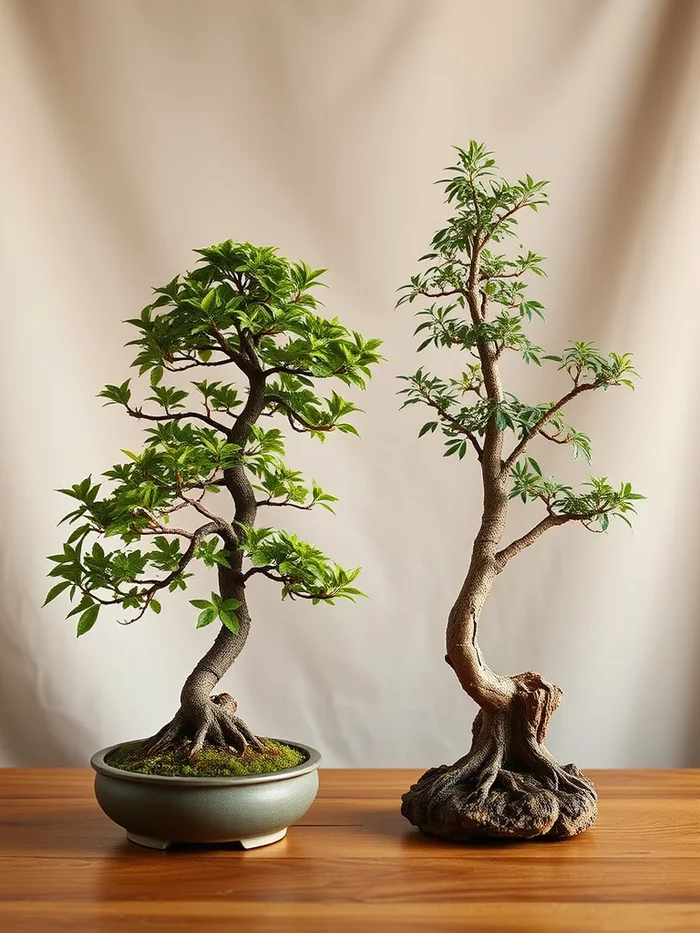
✓Size: Typically less than three feet tall, artfully pruned.
✓Pot Type: Shallow, decorative pots for aesthetics and root health.
✓Visual: Cohesive design, defined branches, harmonious shape.
●Size: Young trees in early stages of development.
●Pot Type: Deeper, functional nursery pots for root expansion.
●Visual: Natural, unrefined look with potential for development.
●Care: Ongoing care and training to shape into a bonsai.
Understanding the Core Differences Between Bonsai and Pre-Bonsai
As a passionate gardener, I often find myself captivated by the art of bonsai. But what exactly distinguishes a bonsai from a pre-bonsai? Understanding their core differences is essential, especially for those of you eager to dive into this wonderful horticultural journey.
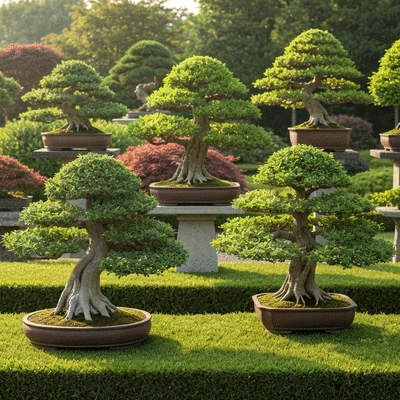
Bonsai, at its heart, is an ancient art form that involves cultivating miniature trees that mimic the shape and scale of full-sized trees. These trees are typically shaped and trained over many years, resulting in a visually harmonious creation. Bonsai requires specific care, including precise watering, pruning, and fertilization techniques, tailored to the species and growth stage. For a detailed guide on these techniques, consider our resource on bonsai tree care tips.
Bonsai trees are the culmination of skill and patience! They possess distinct characteristics, such as a well-defined trunk and branches that create an engaging silhouette. These trees usually reside in decorative pots designed for aesthetics as well as health. To cultivate a bonsai, one must learn about pruning techniques, wiring for shaping, and understanding the ideal environment for each specific species.
On the other hand, pre-bonsai refers to young trees that are in the early stages of development. These trees are not yet fully shaped and have the potential to become beautiful bonsai with the right care and attention! Pre-bonsai often come from nurseries, where they are grown in nursery pots, making them more affordable and accessible for budding gardeners.
While pre-bonsai still require care, they offer a unique opportunity to shape and develop the tree as you see fit. This journey can be incredibly rewarding, as you witness your tree evolve over time. Understanding its growth habits and responding to its needs will be key to a successful transition into a finished bonsai.
Key Distinctions: Pot Types and Visual Characteristics
Pot Type: Understanding the Nursery Pot vs. Decorative Pot
The type of pot in which a tree is grown plays a significant role in distinguishing bonsai from pre-bonsai. Bonsai trees are typically housed in shallow, decorative pots that encourage healthy root growth while showcasing the tree’s beauty. In contrast, pre-bonsai are often found in traditional nursery pots, which are typically deeper and allow more room for root expansion.
Bonsai Pots: Designed for aesthetics and shallow soil, enhancing root health and drainage.
Nursery Pots: Deeper and more functional, focusing on root development rather than appearance.
This difference impacts care, as bonsai trees require careful watering to maintain soil moisture in shallow pots, while pre-bonsai might need more frequent watering due to their deeper containers.
Visual Characteristics: What to Look For
When it comes to identifying the visual traits of bonsai versus pre-bonsai, there are several key indicators to keep an eye on. A finished bonsai typically exhibits a well-established structure, with a defined trunk, balanced branches, and meticulous pruning that highlights its unique beauty.
Bonsai: Look for a cohesive design, defined branches, and a harmonious shape.
Pre-Bonsai: Expect a more natural, unrefined look, with the potential for development.
By understanding these visual cues, you can make informed decisions whether you're shopping at a nursery or browsing online resources like All American Gardeners to find the right tree for your gardening journey! For those interested in starting their bonsai collection, our guide on bonsai tree starter kit basics can be very helpful.
Pro Tip
When cultivating a pre-bonsai, consider using a mix of potting soil and akadama (a type of clay) to promote healthy root growth. This blend not only enhances drainage but also provides essential nutrients, setting the stage for your tree's transformation into a stunning bonsai!
Making the Right Choice for Your Bonsai Journey
Choosing between pre-bonsai and finished bonsai can feel like a daunting task! It’s essential to evaluate your gardening goals, lifestyle, and even your patience level before making a commitment. Here are some factors to consider when deciding:
Your Gardening Experience: If you're new to bonsai, starting with a pre-bonsai can be a more forgiving entry point.
Time Commitment: Finished bonsai require less immediate attention, while pre-bonsai will need ongoing care and training.
Aesthetic Goals: Consider how you envision your bonsai; do you want it to be a work in progress or a finished piece of art?
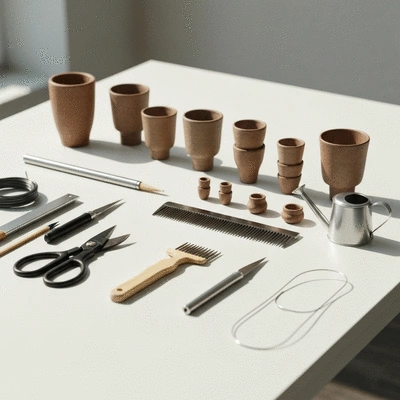
Budget: Pre-bonsai is generally more affordable, allowing you to invest in tools and materials for care.
Taking your time to assess these factors will help you decide which option aligns best with your bonsai journey!
Exploring Bonsai Styles and Aesthetic Principles
Understanding the various bonsai styles and their aesthetic principles can greatly enhance your selection process. There are several popular styles, each with its unique charm:
Formal Upright: A classic style where the trunk is straight and upright, giving a sense of strength.
Informal Upright: This style features a trunk that is slightly curved, adding a more natural look.
Cascade: A dramatic style where the tree appears to grow downwards, mimicking trees on cliffs.
Literati: Also known as "broom style," it showcases a thin trunk with sparse foliage, emphasizing simplicity.
When you select your bonsai, consider the style that resonates with you. Each style has its own care requirements and visual appeal, so choose one that aligns with your vision and commitment!
Frequently Asked Questions (FAQs)
What is the main difference between bonsai and pre-bonsai? Bonsai are fully shaped, mature miniature trees that have undergone extensive training, while pre-bonsai are young trees in the early stages of development, ready to be shaped into bonsai.
What kind of pot should I use for a bonsai tree? Bonsai trees are typically housed in shallow, decorative pots that complement their aesthetic and promote specific root growth patterns.
Are pre-bonsai trees more suitable for beginners? Yes, pre-bonsai trees are generally more forgiving and affordable, offering beginners a great opportunity to learn and practice shaping techniques without the pressure of maintaining a fully developed bonsai.
What kind of care do bonsai trees require? Bonsai require regular maintenance, including precise watering, pruning of roots and branches, wiring for shaping, and appropriate fertilization, all tailored to the specific species and its growth stage.
Where can I find resources to learn more about bonsai? Websites like Bonsai Empire and All American Gardeners offer tutorials, guides, and product recommendations. Local bonsai clubs and workshops are also excellent resources for hands-on learning and community engagement.
Final Thoughts on Care, Commitment, and Enjoyment
As you embark on your bonsai journey, remember that caring for these trees is as much about the process as it is about the final product. Whether you choose a pre-bonsai or a finished bonsai, the key is to enjoy the experience. Embrace the learning curve, take pleasure in the growth, and don’t hesitate to reach out to fellow gardeners or resources at All American Gardeners if you need guidance! For a deeper understanding of cultivation, explore our bonsai growth from seed guide.
Ultimately, the joy of bonsai lies in nurturing your unique tree and watching it flourish, so relish every moment of this beautiful journey!
Call to Action: Start Your Bonsai Adventure Today
Resources for Further Learning and Purchasing
If you're ready to dive deeper into the world of bonsai, there are fantastic resources available for both learning and purchasing your first tree! Here’s where to start:
Bonsai Empire: Offers a wealth of tutorials and guides for every skill level.
Bonsai UK: A reputable source for both pre-bonsai and finished bonsai trees.
All American Gardeners: Our platform provides curated product recommendations and expert tips to support your bonsai journey!
These resources can help you enhance your bonsai knowledge and find the perfect tree for your home!
Involvement in the Bonsai Community: Clubs and Workshops
Engaging with the bonsai community can vastly improve your experience and understanding of bonsai care. Consider joining local clubs or attending workshops where you can:
Learn from Experts: Gain insights and tips from seasoned bonsai enthusiasts.
Share Your Experience: Discuss challenges and successes with fellow gardeners.
Participate in Exhibitions: Showcase your own bonsai creations and learn from others.
Connecting with others who share your passion for bonsai can make your journey even more enjoyable and fulfilling. So, don’t hesitate to get involved!
Recap of Key Points
Here is a quick recap of the important points discussed in the article:
Understanding Bonsai: Bonsai are mature, artfully shaped miniature trees requiring specific care like precise watering, pruning, and fertilization.
Defining Pre-Bonsai: Pre-bonsai are young trees in early development stages, offering a unique opportunity for personal shaping and growth.
Pot Types Matter: Bonsai are housed in shallow, decorative pots while pre-bonsai are typically in deeper nursery pots, affecting their care needs.
Visual Characteristics: Bonsai exhibit a cohesive design with defined branches, while pre-bonsai have a more natural, unrefined appearance.
Choosing the Right Tree: Evaluate your gardening experience, time commitment, aesthetic goals, and budget when selecting between bonsai and pre-bonsai.
Explore Different Styles: Familiarize yourself with various bonsai styles to find one that resonates with your gardening vision.
Subscribe & Share
2026-08-28
Growing Herbs with Hydroponics
Why settle for store-bought herbs when you can grow your own at home, in any space? Hydroponic garde
2026-08-27
Growing Sweet Corn from Seeds
Ready to transform your gardening experience? Selecting the right sweet corn seeds can make all the
Growing Your Own Garlic Bulbs
As you prepare to embark on your journey of growing garlic, consider this: garlic cultivation isn't
All American Gardeners
Your premier online resource for mastering home gardening across the U.S. We empower American home gardeners with expert tips, step-by-step guides, and sustainable practices for thriving outdoor spaces.
Trusted by gardeners nationwide, our mission is to provide reliable, easy-to-follow insights backed by Clara M. Greene's extensive horticulture experience and practical advice.