Bonsai Tree Care Tips
Posted on: 2026-03-05
By: Clara M. Greene
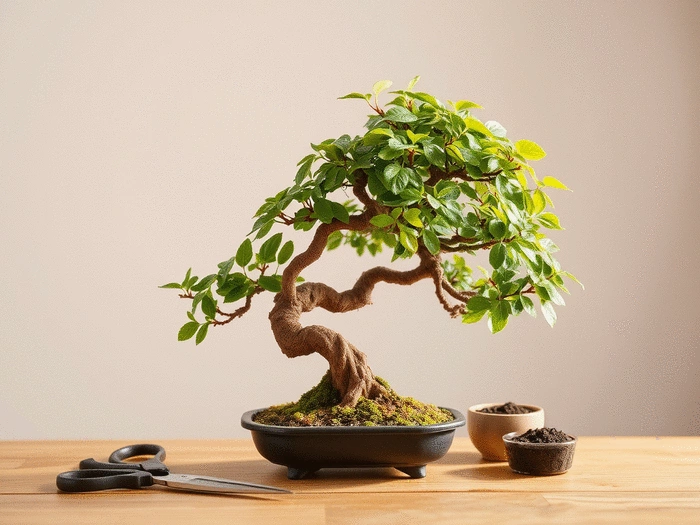
Have you ever considered the artistry behind the tiny, meticulously crafted bonsai trees? Caring for these miniature wonders is both a science and a craft that can yield rewarding results. The journey of bonsai maintenance involves learning essential techniques and understanding your tree's unique needs. Ready to dig deeper into this miniature world?
What You Will Learn
- Watering Essentials: Discover the importance of following a seasonal watering schedule to keep your bonsai hydrated without overwatering.
- Pruning Techniques: Learn how regular pruning not only maintains the shape of your bonsai but also encourages healthy new growth.
- Soil Health: Understand the significance of using the right soil mix enriched with fertilizers to support your bonsai's vitality.
- Maintenance Importance: Recognize that consistent care helps regulate growth, prevents pests, and enhances the aesthetic appeal of your bonsai.
- Species-Specific Needs: Grasp the unique requirements of different bonsai species to tailor your care effectively, e.g., watering preferences of Junipers vs. Ficus.
- Engagement with Community: Explore opportunities to connect with fellow bonsai enthusiasts through forums, local clubs, and workshops for mutual learning.
- Continuous Education: Utilize online resources and social media to stay updated on bonsai care techniques and trends.
- Experimentation: Be open to exploring various bonsai styles like cascading or formal upright to discover what resonates with you creatively.
Key Techniques for Bonsai Tree Maintenance
Understanding and implementing effective care techniques will help keep your bonsai tree healthy and thriving. For those just starting their journey, our bonsai trees: a beginner's guide provides a solid foundation.
Watering
Follow a seasonal schedule to ensure proper hydration. Ensure the soil is moist but not overly saturated.
Pruning
Regular pruning helps maintain the shape and encourages new growth. Trim any dead or overgrown branches.
Soil Health
Using the right soil mix and enriching it with appropriate fertilizers is crucial for bonsai health.
Fertilization
Providing necessary nutrients is essential for a thriving bonsai. Use organic fertilizers whenever possible.
Understanding the Basics of Bonsai Tree Maintenance
Have you ever gazed at a beautifully manicured bonsai tree and wondered what it takes to keep it looking that way? At All American Gardeners, we believe that understanding the basics of bonsai tree maintenance is the foundation for a thriving miniature masterpiece. Whether you're just starting your bonsai journey or looking to improve your skills, we've got you covered!
A bonsai tree is not just a small tree; it’s an art form that requires attention, patience, and knowledge. Proper care and maintenance will help your bonsai not only survive but thrive. Let’s explore the key elements of bonsai care together, so you can nurture your little green friend to perfection!
Defining Bonsai Tree Care: An Overview
Bonsai tree care involves a mix of techniques and practices designed to keep your tree healthy and aesthetically pleasing. Here are some fundamental aspects of bonsai care you should consider:
- Watering: Ensuring your bonsai gets just the right amount of water is crucial.
- Pruning: Regular pruning helps maintain shape and promotes growth.
- Soil Health: Choosing the right soil mix can significantly impact your bonsai's health.
- Fertilization: Providing nutrients is essential for a thriving bonsai.
Remember, each bonsai species may have specific needs, so it's essential to tailor your approach accordingly. This personalization not only enhances their growth but also builds a deeper connection between you and your bonsai! For additional guidance on common plant care issues, check out our article on fixing common plant issues.
The Importance of Maintenance for Bonsai Health
Proper maintenance of your bonsai tree is not just about aesthetics; it plays a vital role in its overall health. Regular care practices will help ensure your bonsai remains vibrant and resilient against pests and diseases. Here are some reasons why maintenance is so important:
- Growth Regulation: Consistent pruning and watering encourage healthy growth.
- Pest Prevention: Regular inspections can help catch any pest issues early.
- Aesthetic Appeal: A well-maintained bonsai is a joy to behold and can serve as a beautiful focal point in your home.
- Long Lifespan: With good care, bonsai trees can live for decades or even centuries!
At All American Gardeners, we understand that nurturing a bonsai is a rewarding journey. By committing to a regular maintenance routine, you'll not only enhance the beauty of your tree but also experience the joy of watching it grow and thrive over time!
Essential Techniques for Effective Bonsai Care
Now that we've covered the basics, let’s dive into some essential techniques that will help you provide the best care for your bonsai tree. From watering schedules to soil selection, each technique plays an important role in your bonsai's health and development. With these tips in your toolkit, you can become more confident in your bonsai care practices!
Pro Tip
Did you know? The timing of your bonsai's pruning can significantly influence its growth. For many species, late spring is the ideal time to prune, as this is when they enter their active growth phase. This allows your bonsai to recover quickly and promotes healthy new growth.
Summarizing Key Aspects of Bonsai Tree Maintenance
As we wrap up our journey into the world of bonsai care, it's essential to highlight the main techniques that can help keep your bonsai tree thriving. From watering schedules to pruning methods, understanding these core practices is vital for maintaining the health and beauty of your miniature masterpiece. Remember, bonsai care is not just a hobby; it’s an art form that requires ongoing attention and dedication!
To summarize, here are some key care techniques you should always keep in mind:
- Watering: Follow a seasonal schedule to ensure proper hydration.
- Pruning: Regular pruning helps maintain shape and encourage new growth.
- Soil Health: Use the right soil mix and enrich it with appropriate fertilizers.
Understanding the Ongoing Commitment to Bonsai Health
Caring for a bonsai tree is a long-term commitment. It’s essential to develop a routine that fits into your lifestyle while also meeting the unique needs of your tree. Just like you wouldn’t neglect a friend, your bonsai deserves a nurturing touch!
Consistently monitoring your bonsai’s health includes:
- Regularly checking for pests and diseases.
- Adapting your care techniques based on seasonal changes.
- Engaging with the bonsai community for shared knowledge and experiences.
Engaging with the Bonsai Community: FAQs and Further Learning
Many novice bonsai enthusiasts find themselves with a flurry of questions. What’s the best way to prune my specific species? How often should I water? Fortunately, addressing these common concerns can pave the way for a successful bonsai journey.
Frequently Asked Questions About Bonsai Tree Care
Here are some frequent questions I often hear:
- How often should I water my bonsai tree?
Watering frequency depends on several factors, including the bonsai species, soil type, pot size, and environmental conditions (temperature, humidity, wind). Generally, you should water when the topsoil feels slightly dry to the touch. It’s better to water thoroughly when you do, ensuring water drains from the bottom of the pot.
- What is the best type of soil for bonsai trees?
The ideal bonsai soil mix provides good drainage, aeration, and retains some moisture. A common mix includes akadama (a hard-baked clay), pumice, and lava rock, often with a small amount of organic compost. The exact ratio can vary based on species and climate.
- When is the best time to prune a bonsai tree?
Pruning timing varies by species and the type of pruning (structural vs. maintenance). Heavy structural pruning is often done in late winter or early spring before new growth begins. Maintenance pruning (trimming new shoots) can be done throughout the growing season to maintain shape and encourage ramification.
- How do I protect my bonsai from pests and diseases?
Regular inspection is key. Look for common pests like aphids, spider mites, and scale insects. Treat infestations promptly with appropriate organic pesticides or horticultural oils. Ensure good air circulation and proper watering to prevent fungal diseases. A healthy, well-cared-for bonsai is more resistant to problems.
- Can all trees be turned into bonsai?
While many tree and shrub species can be cultivated as bonsai, some are more suitable than others due to their small leaf size, natural growth habits, and ability to withstand pruning and wiring. Popular choices include Junipers, Ficus, Maples, and Pines.
Addressing Concerns on Species-Specific Maintenance
Each bonsai species has its own unique needs. Understanding these differences can enhance your care routine dramatically. For instance, Junipers prefer to dry out slightly between waterings, while Ficus trees enjoy more humidity. Make sure to do a bit of research or consult with fellow gardeners to cater to your bonsai's specific requirements. You can also explore our blog for more gardening insights.
Opportunities for Growth: Further Resources and Community Tips
As you continue your bonsai journey, engaging with the bonsai community can be incredibly rewarding. There are various avenues to explore that offer valuable insights and support. Remember, you're not alone in this!
- Joining Bonsai Forums: Connect with other enthusiasts to share tips and experiences.
- Local Clubs: Participate in clubs that foster a love for bonsai and provide hands-on learning.
- Workshops: Attend workshops or shows to learn directly from experts.
Participating in Bonsai Workshops and Shows
Workshops and bonsai shows are fantastic opportunities to learn and connect. Not only can you gain practical knowledge, but you also get to meet people who share your passion for these beautiful trees. Each gathering is an opportunity to grow—both in skill and community! For further details on plant care, consider reading our plant care tips for home gardeners.
Encouraging Action: Taking the Next Steps in Bonsai Care
Implementing Maintenance Techniques for Your Bonsai
Now that you've absorbed the essentials of bonsai care, it’s time to put that knowledge into action! Implementing the techniques discussed will set you on the right path to having a healthy bonsai. Remember, consistency is key!
Continuing Your Bonsai Education Through Online Resources
With the internet at your fingertips, there’s an abundance of resources available for continuous learning. Websites, forums, and social media groups dedicated to bonsai care can provide endless information. Follow along with experts and fellow enthusiasts to keep your skills sharp!
Exploring Different Styles of Bonsai Trees
Lastly, don’t be afraid to explore different bonsai styles! Each style has its own charm and challenges, and experimenting with them can be incredibly fulfilling. Whether you’re drawn to the elegance of a cascading style or the strength of a formal upright, the world of bonsai is rich with possibilities. Happy gardening! To further enrich your gardening knowledge, explore our guide on organic gardening tips for beginners.
Recap of Key Points
Here is a quick recap of the important points discussed in the article:
- Watering: Maintain a seasonal schedule to ensure your bonsai receives proper hydration.
- Pruning: Regular pruning promotes healthy growth and maintains the shape of your bonsai.
- Soil Health: Use a suitable soil mix and enrich it with appropriate fertilizers for optimal growth.
- Pest Inspection: Regularly check for pests and diseases to catch issues early and maintain health.
- Community Engagement: Join bonsai forums and clubs to share experiences and gain knowledge from fellow enthusiasts.
- Continuous Learning: Utilize online resources and workshops to enhance your bonsai care skills.
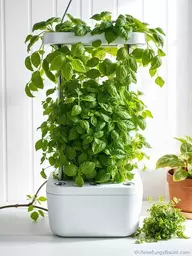 Why settle for store-bought herbs when you can grow your own at home, in any space? Hydroponic garde
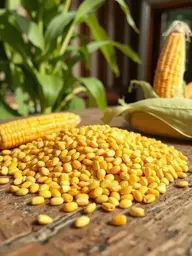 Ready to transform your gardening experience? Selecting the right sweet corn seeds can make all the
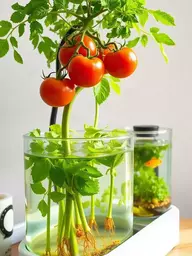 Imagine harvesting juicy, flavorful tomatoes while actively contributing to sustainable agriculture.
 What if I told you that the secret to growing robust rosemary lies in the soil beneath your feet? Un
 Have you ever wondered how innovative techniques in gardening can reshape our food production? Hydro
 As you prepare to embark on your journey of growing garlic, consider this: garlic cultivation isn't