Have you ever gazed at your plants only to notice they’re not quite thriving? Yellow leaves and wilting foliage can be distressing, but these signs often hint at underlying issues that can be easily addressed. Understanding these signals is the first step in ensuring a lush and healthy garden.
What You Will Learn
Identifying yellow leaves as a symptom of nutrient deficiencies or improper watering techniques.
Understanding that wilting foliage can result from both overwatering and underwatering.
Recognizing the critical nutrients (nitrogen, iron, magnesium) essential for vibrant plant health.
Learning how soil pH can impact nutrient absorption and overall plant well-being.
Detecting common pests like aphids and spider mites that may harm your plants.
Implementing preventative measures to create a stable environment for your plants.
Understanding Common Plant Problems
Key symptoms and their underlying causes for yellow leaves and wilting.
✓ Monitor Pests & Environment: Inspect and maintain stable conditions.
Understanding Common Plant Problems: Yellow Leaves and Wilting
As a passionate gardener, I've seen my fair share of plant problems, and one of the most common distress signals is yellow leaves and wilting foliage. These symptoms can be alarming, but understanding them is the first step toward restoring your plants to health. Let’s dive into the signs of distress that can affect even the most seasoned gardeners! For more general tips on keeping your plants happy, check out our plant care tips for home gardeners.
Recognizing the Symptoms of Plant Distress
When plants are unhappy, they tend to show it in various ways. The most noticeable signs include:
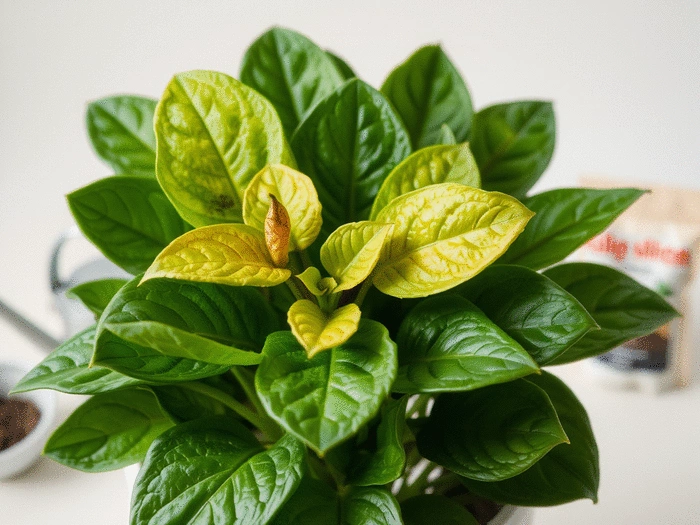
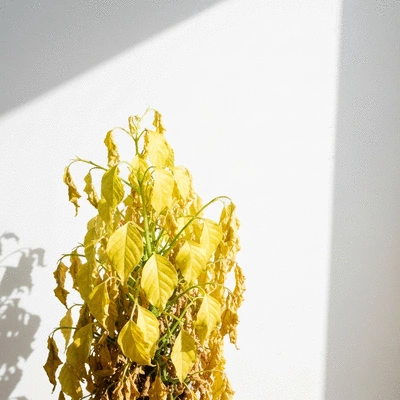
Yellowing leaves—often a sign of nutrient deficiencies or improper watering.
Wilting foliage—which can indicate both overwatering and underwatering.
Stunted growth—a clear signal that something is off in your plant's environment.
Recognizing these symptoms early can save your plants from further distress. I always recommend checking your plants regularly—after all, prevention is better than cure!
Why Do Plant Leaves Turn Yellow? Common Causes Explained
Understanding why leaves turn yellow is crucial for any gardener. Let's explore some of the common causes:
Watering Imbalances: Overwatering vs. Underwatering
Watering is a delicate balance in the garden. When plants receive too much water, their roots can suffocate, leading to yellow leaves and wilting. Conversely, not enough water will dry them out. It's essential to find that sweet spot!
Nutrient Deficiencies: Identifying Key Nutrients
Nitrogen, iron, and magnesium are vital for healthy leaves. A lack of these nutrients often results in yellowing, particularly in older leaves. Regularly testing your soil can help you catch these deficiencies early! To learn more about identifying specific plant needs, read our guide on understanding plant tag information.
Light Deficiency: The Role of Sunlight in Plant Health
Plants thrive on sunlight! When they don't receive enough, they can become weak and their leaves may yellow. Ensure your plants are getting the right amount of light for their specific needs. If they’re indoors, consider their positioning!
Soil pH and Its Effect on Plant Health
Did you know that soil pH can influence how well plants absorb nutrients? A pH that’s too high or too low can lead to nutrient lockout, causing leaves to yellow. Aim for a balanced pH to keep your plants thriving!
Pests and Diseases: Unseen Threats to Your Plants
It's not just environmental factors that can affect plant health; pests and diseases are major culprits too. Being vigilant is key!
Common Pests: Aphids and Spider Mites
Aphids and spider mites love to feast on your plants, leaving tell-tale signs like yellow spots and webbing. If you notice these symptoms, it’s time to take action quickly!
Fungal Infections and Plant Diseases: Recognizing and Managing Issues
Diseases such as root rot can lead to serious problems, including wilting and yellow leaves. Keep an eye out for any signs of fungal infections, and respond with proper care to manage these issues.
Environmental Stress: How Temperature and Humidity Affect Plants
Fluctuations in temperature and humidity can put stress on your plants. Sudden changes may lead to wilting and yellowing, especially if the conditions are extreme. Creating a stable environment is essential for their health! You can find more detailed advice on maintaining optimal conditions in our essential plant care checklist.
Pro Tip
Did you know? Regularly monitoring your plants' soil moisture can prevent both overwatering and underwatering. Consider using a moisture meter to accurately gauge when your plants need a drink, ensuring they remain healthy and vibrant!
Summarizing Key Insights for Healthy Plants
As we dive into the world of gardening, recognizing the common causes of yellow leaves and wilting is crucial for the health of your plants. Remember, these symptoms often signal that your plants are in distress. By understanding the underlying issues, you can take proactive steps to restore their vitality. Here’s a quick recap of the major culprits:
Watering Imbalances: Too much or too little water can lead to yellowing leaves and wilting.
Nutrient Deficiencies: Lack of essential nutrients like nitrogen, iron, and magnesium can significantly affect leaf color.
Light Deficiency: Insufficient sunlight can stunt growth and cause leaves to yellow.
Pest Infestations: Unseen pests like aphids and spider mites can wreak havoc on your plants.
Environmental Stress: Fluctuations in temperature and humidity can also lead to plant distress.
By keeping these points in mind, you can better monitor your plants and respond to their needs effectively!
Frequently Asked Questions (FAQs) About Plant Distress
Here are some common questions gardeners ask about yellow leaves and wilting plants:
Q: Why are my plant's leaves turning yellow even though I water it regularly? A: Yellow leaves can be caused by both overwatering and underwatering. If you water regularly, check if the soil is staying too wet, which can lead to root rot. It could also be a nutrient deficiency or lack of light.
Q: How can I tell if my plant is wilting from too much or too little water? A: If leaves are wilting and the soil is dry, it's likely underwatering. If the leaves are wilting and the soil is soggy, it's likely overwatering. Overwatered plants often have soft, yellowing leaves in addition to wilting.
Q: What are the most common nutrient deficiencies that cause yellow leaves? A: Nitrogen, iron, and magnesium deficiencies are common culprits. Nitrogen deficiency often causes older leaves to yellow, while iron and magnesium deficiencies typically affect younger leaves or areas between veins.
Q: Can pests cause yellow leaves? A: Yes, pests like aphids and spider mites feed on plant sap, which can cause yellow spots, discoloration, and overall weakening of the plant, leading to yellow leaves and stunted growth.
Q: How does soil pH impact leaf color? A: Soil pH affects the availability of nutrients. If the pH is too high or too low, certain essential nutrients can become unavailable to the plant, even if they are present in the soil, leading to deficiencies and yellowing leaves.
Take Action: Tips for Thriving Plants
Now that we've covered the warning signs and causes of plant distress, it’s time to take action! I encourage you to implement the solutions and preventive measures we've discussed. Here are some steps you can take to promote robust plant health:
Adjust Your Watering: Find the right balance by checking soil moisture regularly.
Feed Your Plants: Use appropriate fertilizers tailored to your plant’s needs.
Optimize Light Exposure: Ensure your plants receive adequate sunlight for growth.
Watch for Pests: Regularly inspect your plants for any signs of infestation.
Create a Stable Environment: Maintain consistent temperature and humidity levels to reduce stress.
By following these tips, you'll be on your way to cultivating a thriving garden. Remember, gardening is a journey filled with learning opportunities!
Engagement Invitation
I'd love to hear from you! What plant care experiences or tips do you have? Sharing your stories in the comments can help build our community of passionate gardeners at All American Gardeners. Let's support each other in our gardening adventures and grow together!
Recap of Key Points
Here is a quick recap of the important points discussed in the article:
Watering Imbalances: Ensure a proper balance between overwatering and underwatering to prevent yellow leaves and wilting.
Nutrient Deficiencies: Regularly test soil for essential nutrients like nitrogen, iron, and magnesium to maintain leaf health.
Light Deficiency: Provide adequate sunlight based on the specific needs of your plants to avoid yellowing leaves.
Pest Infestations: Monitor for pests like aphids and spider mites that can damage plants and respond quickly to infestations.
Environmental Stress: Maintain consistent temperature and humidity levels to minimize stress on your plants.
Subscribe & Share
2026-08-28
Growing Herbs with Hydroponics
Why settle for store-bought herbs when you can grow your own at home, in any space? Hydroponic garde
2026-08-27
Growing Sweet Corn from Seeds
Ready to transform your gardening experience? Selecting the right sweet corn seeds can make all the
Growing Your Own Garlic Bulbs
As you prepare to embark on your journey of growing garlic, consider this: garlic cultivation isn't
All American Gardeners
Your premier online resource for mastering home gardening across the U.S. We empower American home gardeners with expert tips, step-by-step guides, and sustainable practices for thriving outdoor spaces.
Trusted by gardeners nationwide, our mission is to provide reliable, easy-to-follow insights backed by Clara M. Greene's extensive horticulture experience and practical advice.