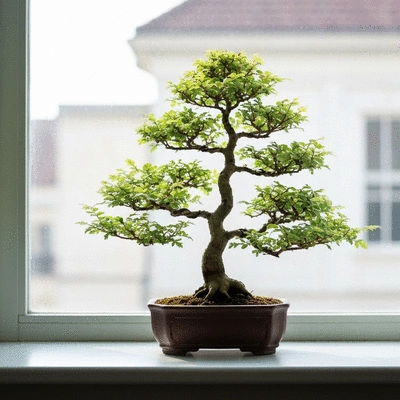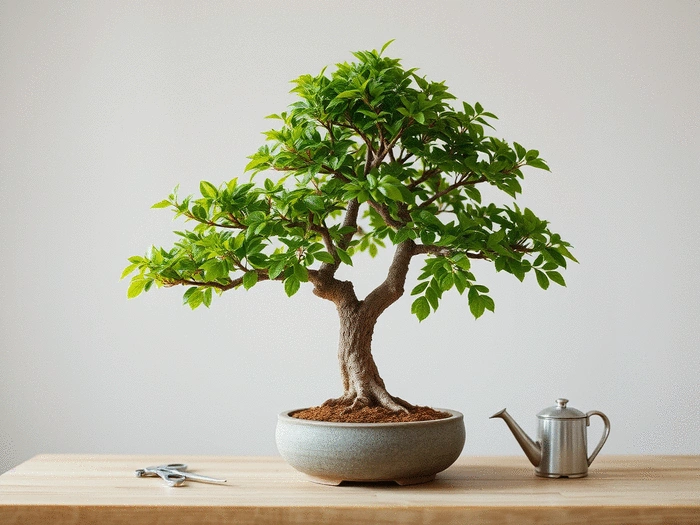
Optimal Placement: Bright, Indirect Light
Position near east/west-facing windows. Avoid harsh midday sun, drafts, and heating vents. Rotate periodically for even exposure.
Join Clara M. Greene's community for expert tips and seasonal guides tailored for American gardeners.
Posted on: 2026-05-18
By: Clara M. Greene
As you embark on the enriching journey of indoor gardening, consider this: the Chinese Elm bonsai is not just a plant; it’s a companion that grows with you. Its adaptability and charm can transform your space and enhance your gardening experience. Ready to dive into the world of bonsai? Let’s explore the key insights!
This visual guide summarizes crucial care practices for your Chinese Elm bonsai, focusing on placement, characteristics, and essential care to ensure it thrives indoors. For more general guidance on nurturing these miniature trees, explore bonsai tree care tips.
Position near east/west-facing windows. Avoid harsh midday sun, drafts, and heating vents. Rotate periodically for even exposure.
Retains leaves most of the year. Adjusts leaf size and density based on light availability for consistent indoor greenery.
If you’re considering introducing a Chinese Elm bonsai into your indoor garden, you’re in for a rewarding experience! These little trees not only bring beauty to your space but also offer a sense of tranquility as you care for them. Their adaptability and resilience make them a fantastic choice for both beginners and seasoned bonsai enthusiasts.
One of the best qualities of the Chinese Elm is its ability to thrive in various indoor environments. They can adjust to different lighting conditions and still maintain their stunning foliage. By choosing a Chinese Elm, you're selecting a companion that’s forgiving and eager to grow alongside you!
As a horticulture enthusiast, I’ve found that the Chinese Elm is particularly forgiving when it comes to indoor care. Here’s what makes it an excellent choice:
Embracing a Chinese Elm bonsai means you’ll have a stunning indoor tree that complements your home while allowing you to dive deeper into the world of bonsai care! Before you dive into the specifics, it's always good to refresh your essential plant care checklist.
The Chinese Elm is classified as a semi-evergreen, which means it retains its leaves for most of the year, with only minor leaf drop in the winter months. This feature is particularly valuable for indoor gardeners who want consistent greenery throughout the seasons.
In indoor environments, the tree exhibits unique growth patterns. You’ll notice that it adapts its leaf size and density based on light availability. This characteristic allows the Chinese Elm to flourish even in less-than-ideal light conditions. As you care for your bonsai, observe how it responds to your indoor environment—it’s a delightful process!
Choosing the right spot for your bonsai is crucial for its overall health. Aim for a location that receives bright, indirect light—this helps your Chinese Elm thrive without the risk of leaf scorch. Ideal spots include near east or west-facing windows where the light is gentle.
Here are some tips on optimal placement:
By selecting the right location, you're setting your Chinese Elm up for success from the moment it arrives home!
Throughout the year, your bonsai may require adjustments to its light exposure. During the longer days of summer, it may need more light, while in winter, you might want to move it closer to a window to maximize available sunlight. Make it a habit to check the light conditions regularly to keep your bonsai happy!
To keep your Chinese Elm bonsai thriving, consider investing in a moisture meter. This handy tool will help you accurately gauge the soil moisture level, ensuring you water your bonsai at the right time without the risk of overwatering. Remember, consistency is key to a happy bonsai!
The Chinese Elm is highly adaptable to various indoor light conditions and is resilient to pruning, making it an excellent choice for both beginners and experienced bonsai enthusiasts. Its semi-evergreen nature also provides consistent greenery year-round.
For optimal health, place your bonsai near an east or west-facing window where it can receive bright, indirect light. Avoid direct, harsh midday sun, as well as drafts and heating vents, which can stress the tree.
A consistent watering schedule is crucial. Monitor the soil moisture level, ideally with a moisture meter, and water when the topsoil feels slightly dry. Avoid both overwatering and letting the soil dry out completely.
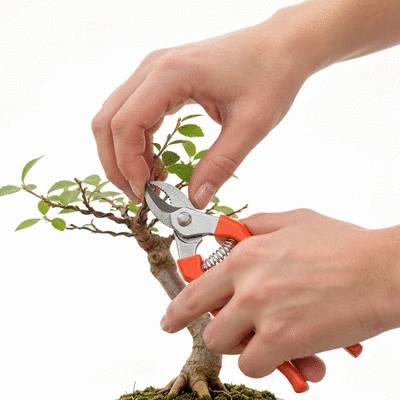
Yes, regular pruning is essential for maintaining the bonsai's shape, encouraging new growth, and ensuring its overall health and aesthetic appeal. Repotting in the spring is also vital for root health.
Leaf drop can be caused by various factors, including inconsistent watering, insufficient light, or sudden environmental changes. Assess your care routine, adjust light and watering as needed, and check for pests. Maintaining consistent humidity can also help.
To ensure your Chinese Elm bonsai thrives indoors, it’s essential to revisit the key practices we’ve discussed. These steps will help you cultivate a vibrant and healthy bonsai that not only enhances your living space but also brings joy to your gardening journey!
Here’s a quick summary of vital care practices to keep in mind:
Implementing these strategies will set you on the right path to a flourishing indoor bonsai. Remember, keeping a Chinese Elm bonsai is not just about maintenance; it’s a rewarding journey of growth and connection!
I’d love to hear about your experiences with your Chinese Elm bonsai! Have you discovered any tips or tricks that have worked wonders for you? By sharing our journeys, we can foster a community of support and encouragement among fellow bonsai enthusiasts. Your insights could help someone else thrive in their gardening adventure! If you're passionate about nurturing your plants, perhaps you'd also enjoy learning about repotting garden plants made simple.
If you’re looking to learn more and stay connected, I invite you to subscribe to All American Gardeners for more insightful tips and resources. Whether you have questions or want to share your journey, our community is here to support you. Let’s grow together and cultivate beautiful bonsai that light up our homes and hearts!
Here is a quick recap of the important points discussed in the article: