Cultivate Your Best Garden!

Join Clara M. Greene's community for expert tips and seasonal guides tailored for American gardeners.

Repotting Garden Plants Made Simple


Repotting Garden Plants Made Simple

Posted on: 2026-04-22
By: Clara M. Greene


When was the last time you assessed the health of your garden plants? Understanding how and when to repot can make a world of difference in your gardening success. Let’s dive into the essential aspects of repotting that every gardener should know!

What You Will Learn

  • The importance of repotting for plant health, including space for growth and nutrient replenishment.
  • Common signs that indicate your plant needs repotting, such as roots emerging from drainage holes.
  • Guidelines for selecting the appropriate container size and material to foster healthy growth.
  • Post-repotting care tips to ensure your plants adjust well to their new environment.

Repotting Essentials: Why, How, and What to Consider

Maintaining healthy plants involves understanding the key aspects of repotting. The visual below summarizes when, how, and what factors are crucial for successful repotting, ensuring your plants thrive. For more comprehensive guidance on general plant care, explore our essential plant care checklist.

When to Repot: Key Indicators

  • Growth spurts
  • Signs of root binding

Timing is everything!

How to Repot: Gentle Techniques

  • Use gentle techniques
  • Minimize root disturbance

Careful handling pays off!

What to Use: Pot & Soil Selection

  • Pot one size larger
  • Suited to plant type

The right home for growth!

Post-Repotting Care: Vital Steps

  • Water lightly for a week
  • Indirect sunlight initially

Nurture their new beginnings!

Understanding the Importance of Repotting Garden Plants

Repotting your garden plants is more than just a chore—it's a crucial step in maintaining their health and vitality. When you invest time in repotting, you’re giving your plants a fresh start, which can be the difference between a struggling plant and a thriving one! At All American Gardeners, we believe that understanding the reasons behind repotting can empower you to make informed decisions for your green friends.

So, why is repotting so essential? Over time, plants can outgrow their pots, deplete nutrients, or become root-bound, leading to stunted growth and potential health issues. This means that repotting can actually help your plants flourish by providing them with the space and resources they need to thrive!

Why Repotting is Essential for Plant Health

Repotting plays a vital role in ensuring your plants remain healthy and vigorous. Here are some key reasons why it’s important:

  • Space for Growth: Plants need room to expand their roots. A larger pot allows for root development, leading to better nutrient absorption.
  • Nutrient Availability: Over time, potting mix can lose its nutrients. Repotting with fresh soil replenishes essential nutrients, keeping your plants nourished.
  • Preventing Root Rot: Old soil can become compacted and retain too much moisture, leading to root rot. Fresh soil can improve drainage and aeration.

By regularly assessing your plants and repotting as needed, you can create a thriving environment! Remember, healthy plants are happy plants!

Common Reasons for Repotting: Signs Your Plant Needs a New Home

Sometimes, our plants give us subtle hints that they need a change of scenery. Here are some signs to look out for:

  • Roots Emerging: If you see roots growing out of the drainage holes, it’s time for a bigger pot!
  • Stunted Growth: A plant that isn’t growing as it should may be root-bound and in need of repotting.
  • Soil Degradation: If the soil looks compacted or has lost its structure, it's a clear sign that a fresh mix is needed.

Being attentive to these signs is part of the joy of gardening! When you notice these signals, take action to ensure your plants continue to flourish.

The Role of Container Size in Plant Health and Growth

The size of the container you choose can greatly affect your plant’s growth. A pot that’s too small can lead to poor health, while a pot that’s too large can cause overwatering issues. Here’s what to keep in mind:

  • Choosing the Right Size: Aim for a pot that is 1-2 inches larger in diameter than the current one for most houseplants.
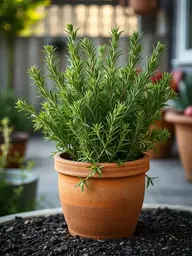
  • Material Matters: Consider materials such as clay or plastic. Clay pots are breathable, helping to prevent overwatering, while plastic retains moisture.
  • Drainage is Key: Always ensure your new pot has adequate drainage holes to keep roots healthy and free from rot.

Finding the right container size is not only about aesthetics but also about promoting healthy growth for your plants. After all, a little attention to detail can lead to a big difference in your garden’s vibrancy!

Pro Tip

Did you know? Regularly rotating your potted plants can help ensure even growth and prevent them from leaning towards the light source. By turning them every few weeks, you encourage a fuller and more balanced shape, enhancing both their health and aesthetic appeal!

Frequently Asked Questions About Repotting

Repotting is crucial for providing plants with adequate space for root growth, replenishing depleted nutrients in the soil, and preventing issues like root rot by improving drainage and aeration. It essentially gives your plant a fresh start to thrive.

Look for roots emerging from the drainage holes, stunted growth despite regular care, or soil that appears compacted and has lost its structure. These are clear indicators that your plant is outgrowing its current environment and needs a larger pot or fresh soil.

For most houseplants, choose a new pot that is 1-2 inches larger in diameter than the current one. Ensure the pot has adequate drainage holes. While clay pots offer breathability, plastic pots retain moisture more effectively, so choose based on your plant's needs and watering habits.

After repotting, water the plant lightly for the first week to help it adjust. Place it in a location with indirect sunlight to avoid shock. Fertilize with a balanced mix after about a month, and continue to monitor for signs of overwatering or under-watering as the plant settles into its new home.

Recap of Key Repotting Insights for Garden Success

As we wrap up our deep dive into the art of repotting, it’s essential to remember the key takeaways. Understanding when, how, and what to consider while repotting can truly make a difference in the health of your plants. Whether you’ve got indoor beauties or outdoor favorites, taking the time to assess their needs before making a pot change is crucial for their growth.

The repotting process isn’t just about swapping pots; it’s about creating the right environment for your plants to thrive! Be mindful of the signs your plants show, and always choose the right time to give them a fresh start.

Summarizing the When, How, and What of Repotting

Here’s a quick recap of the essential aspects of repotting to keep in mind:

  • When: Look for growth spurts or signs of root binding.
  • How: Use gentle techniques to remove the plant and minimize root disturbance.
  • What: Always select a pot that is one size larger and suited to your plant type.

By following these guidelines, you can ensure your plants are set up for success in their new homes. Repotting is an exciting opportunity to give your plants a boost, so don’t shy away from it! For more advanced techniques, consider exploring simple plant propagation techniques.

Encouraging Ongoing Care and Observation for Healthy Plants

Once your plants are repotted, the journey doesn’t end there! Ongoing care is essential to maintain their health. Regularly check for any signs of stress or disease, and adjust their watering and light exposure as needed. Remember, consistent observation is key to understanding your plant’s needs.

Engaging with your plants on a daily basis will help you catch any issues early, ensuring they remain vibrant and happy. Plus, it’ll deepen your connection with your green companions, making gardening all the more rewarding!

Tips for Maintaining Indoor Plants and Outdoor Plants After Repotting

Here are some straightforward tips to keep your indoor and outdoor plants thriving after repotting:

  • Water lightly for the first week to help them adjust.
  • Place them in a location with indirect sunlight to avoid shock.
  • Fertilize with a balanced mix after a month for a nutrient boost.
  • Continue to observe for signs of overwatering or under-watering.

By implementing these practices, you’ll promote healthy growth and ensure your plants adapt seamlessly to their new environment. Remember, each plant is unique, so take the time to learn what works best for your individual garden! For additional guidance, check out our comprehensive year-round plant care guide.

Engage with Your Gardening Community

As we come to a close, I want to emphasize the importance of community in the gardening journey. Sharing experiences, successes, and challenges can greatly enrich your gardening practice!

Share Your Repotting Experiences and Tips

Don’t hesitate to share your repotting stories! Whether it was a delightful success or a learning moment, the gardening community thrives on these shared insights. You might just inspire someone else to tackle their repotting fears!

Explore Additional Resources for Plant Care and Potting Mix Recipes

At All American Gardeners, we strive to provide you with a wealth of resources. From potting mix recipes to expert care tips, we’re here to help you navigate your gardening journey. Be sure to check out our guides for more in-depth information!

Joining Gardening Communities for Shared Knowledge and Support

Lastly, consider joining local or online gardening groups. These communities offer support, advice, and a space to ask questions or celebrate your gardening victories. Together, we can grow a vibrant network of plant lovers ready to help each other thrive!

Recap of Key Points

Here is a quick recap of the important points discussed in the article:
  • Repotting is essential for providing space for growth, replenishing nutrients, and preventing root rot.
  • Signs your plant needs repotting include roots emerging from drainage holes, stunted growth, and soil degradation.
  • Choose the right container size—typically 1-2 inches larger than the current pot—to promote healthy growth.
  • Ongoing care is crucial after repotting; monitor for stress signs and adjust care as needed.
  • Water lightly for the first week and place plants in indirect sunlight to help them adjust.

Subscribe & Share
Caring for Indoor Chinese Elm Bonsai Caring for Indoor Chinese Elm Bonsai As you embark on the enriching journey of indoor gardening, consider this: the Chinese Elm bonsai is
Growing Zinnia Seeds at Home Growing Zinnia Seeds at Home If you're seeking to transform your garden into a vibrant oasis, zinnia seeds could be your best fri
Creating Your Indoor Herb Garden Creating Your Indoor Herb Garden Are you ready to enhance your cooking with a touch of nature right from your kitchen? With indoor he
Understanding Vertical Hydroponics Basics Understanding Vertical Hydroponics Basics Are you ready to transform your gardening experience? Vertical hydroponics is not just a trend; it's
Grow Tomatoes with Vertical Trellis Grow Tomatoes with Vertical Trellis What if you could grow more tomatoes in less space while enhancing the beauty of your garden? A vert
Choosing Landscape Edging Stones Choosing Landscape Edging Stones Ever wondered how to elevate your garden's aesthetics while keeping it organized? Landscape edging s
Banner
All American Gardeners

Your premier online resource for mastering home gardening across the U.S. We empower American home gardeners with expert tips, step-by-step guides, and sustainable practices for thriving outdoor spaces.

Trusted by gardeners nationwide, our mission is to provide reliable, easy-to-follow insights backed by Clara M. Greene's extensive horticulture experience and practical advice.

Cultivate Your Garden
Recent Posts
Caring for Indoor Chinese Elm Bonsai Caring for Indoor Chinese Elm Bonsai

As you embark on the enriching journey of indoor g

Growing Zinnia Seeds at Home Growing Zinnia Seeds at Home

If you're seeking to transform your garden into a

Creating Your Indoor Herb Garden Creating Your Indoor Herb Garden

Are you ready to enhance your cooking with a touch

Gardening Wisdom from All American Gardeners