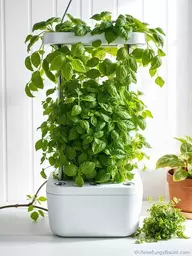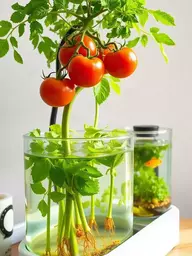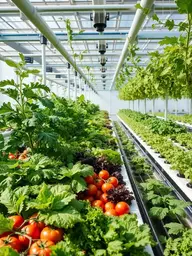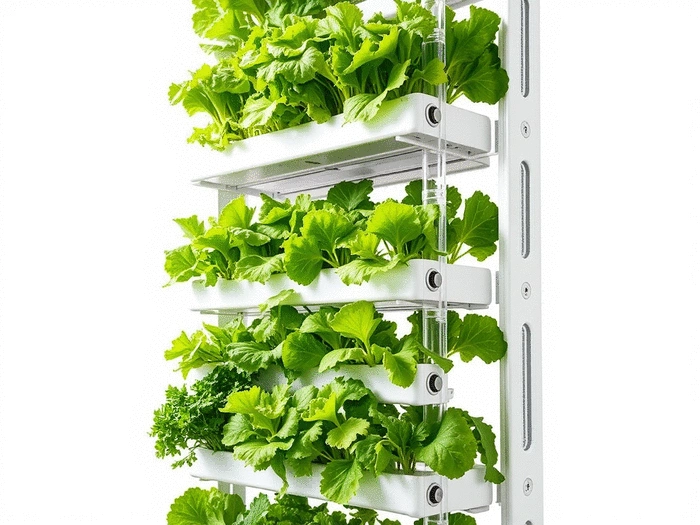
What is Vertical Hydroponics?
- ✓ Soil-less Growing: Plants get nutrients directly from water.
- ✓ Space-Saving: Ideal for urban settings, dense planting.
- ✓ Efficient Water Use: Often uses less water than traditional methods.
Join Clara M. Greene's community for expert tips and seasonal guides tailored for American gardeners.
Posted on: 2026-05-14
By: Clara M. Greene
Are you ready to transform your gardening experience? Vertical hydroponics is not just a trend; it's a revolutionary method that allows you to grow fresh produce in limited spaces. As urban populations rise and green spaces dwindle, this approach is more relevant than ever. Dive in and discover how you can cultivate a thriving garden right in your home!
Discover how vertical hydroponics can transform your urban gardening, offering efficiency and sustainability right at home. This innovative technique is particularly beneficial for those looking to maximize their yield in minimal space. Below, explore the key benefits and the science that makes this method a game-changer for food production in urban environments. If you're new to this concept, you might also find our beginner's guide to hydroponics helpful.
Have you ever considered how to make the most of your limited gardening space? Vertical hydroponics is revolutionizing urban farming by allowing us to grow food in small areas without soil! This innovative technique enables you to cultivate fresh herbs and vegetables right in your apartment, on a balcony, or in community gardens.
Vertical hydroponics involves stacking plants in a way that maximizes space while providing them with the nutrients they need through a water-based solution. It’s a fantastic option for home gardeners who want to make a positive impact in their urban environments!
Simply put, vertical hydroponics is a method of growing plants in a vertical arrangement using nutrient-rich water instead of soil. This approach allows for dense planting, meaning you can grow more in less space! It’s perfect for those of us looking to create a flourishing garden without extensive outdoor areas. To learn more about maximizing your space, you might be interested in exploring vertical garden benefits.
With vertical hydroponics, the use of space is optimized, giving you the chance to grow more plants while making your garden easier to manage. Plus, you'll enjoy the thrill of watching your plants thrive in this modern gardening method!
At the heart of vertical hydroponics lies the science of nutrient delivery. In these systems, plants absorb water and nutrients through their roots, which are suspended in a solution. This allows for faster growth and healthier plants. The absence of soil also means fewer pests and diseases, leading to a more productive garden!
Understanding the science behind vertical hydroponics can empower you as a gardener, enabling you to make informed choices for your urban farming journey!
Are you considering starting your own vertical hydroponics garden? We’d love to know your thoughts! Please select one of the options below:
Vertical hydroponics is revolutionizing the way we think about urban gardening and sustainable agriculture. It's not just a trend; it’s a solution that addresses many of the challenges we face in food production today. By leveraging limited space and utilizing innovative techniques, vertical hydroponics can significantly enhance the way urban gardeners contribute to sustainability. Let’s explore why this method is worth the investment!
Investing in a vertical hydroponics system can be a game-changer for urban gardeners. Here are some compelling reasons to consider:
With these benefits in mind, it’s clear that vertical hydroponics is not just a fad but a sustainable farming method that can empower urban gardeners to make a real impact on food production.
Are you ready to dive into the world of vertical hydroponics? I believe every urban gardener can find joy and success in this method! Whether you’re a seasoned gardener or just starting out, this approach can help you grow fresh produce right in your own home. Remember, starting small is perfectly fine! Set up a simple vertical garden and watch your green thumb flourish. For those looking to get started, our guide on simple indoor hydroponic gardening tips can provide a great foundation.
As you embark on this journey, consider documenting your progress. Sharing your experiences can inspire others in your community and help build a network of urban gardeners. Plus, it’s always encouraging to look back at how far you’ve come!
Local food production plays a crucial role in enhancing food security, especially in urban areas. With rising populations and the increasing demand for fresh produce, vertical hydroponics provides a sustainable way to meet these needs. By growing food locally, we can:
As we embrace sustainable practices like vertical hydroponics, we take important steps toward ensuring food security for our urban communities. Let’s work together to cultivate a greener, healthier future! At All American Gardeners, I’m excited to support you on this journey! 🌱
Here is a quick recap of the important points discussed in the article:
Vertical hydroponics is a method of growing plants in vertically stacked layers using nutrient-rich water instead of soil. This technique maximizes space efficiency, making it ideal for urban environments and small areas.
Key benefits include soil-less growing, significant space-saving, efficient water usage (often less than traditional methods), faster plant growth due to optimal nutrient delivery, and reduced incidence of pests and diseases.
Yes, vertical hydroponics is perfectly suited for indoor environments, including apartments, balconies, and even small rooms. The controlled environment allows for precise management of light, pH, and nutrients, ensuring healthy plant growth.
Many types of plants thrive in vertical hydroponic systems, including leafy greens like lettuce, spinach, and kale, herbs such as basil, mint, and cilantro, and even some fruiting plants like strawberries and cherry tomatoes.
Absolutely. It promotes sustainability by reducing water consumption, minimizing the need for chemical pesticides, and lowering transportation emissions when food is grown locally. This contributes to enhanced food security and supports local economies.