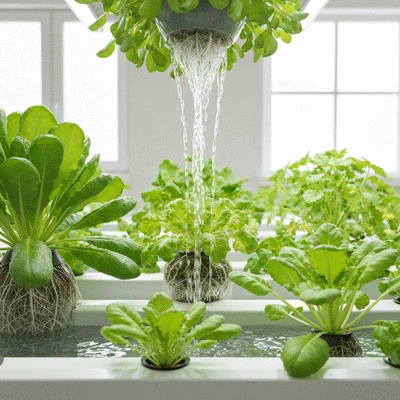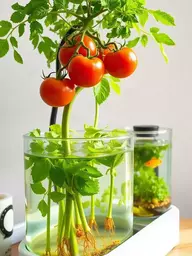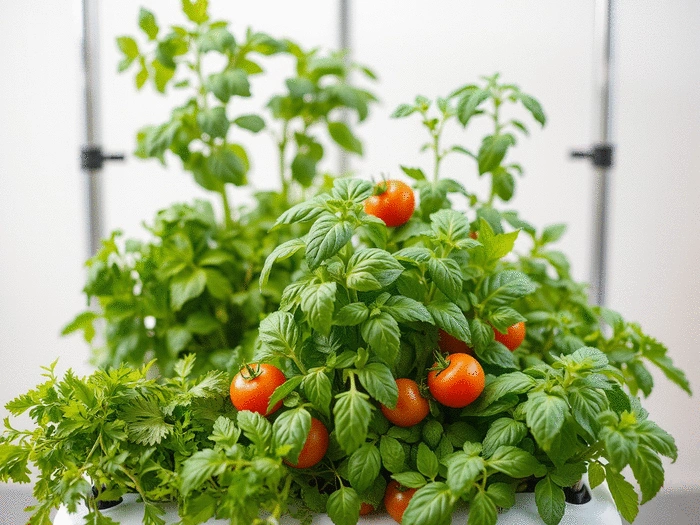
Deep Water Culture (DWC)
Plants sit directly in nutrient-rich water. Beginner-friendly.
- Simple setup
- Good for leafy greens
Join Clara M. Greene's community for expert tips and seasonal guides tailored for American gardeners.
Posted on: 2026-04-24
By: Clara M. Greene
Have you ever considered growing your own food but thought you lacked the space or time? Indoor hydroponic gardening may be the solution you've been looking for. This innovative method allows you to cultivate a wide range of plants right in your home, no soil required. Let's explore the benefits and key insights that can transform your gardening experience!
Delve into the diverse world of indoor hydroponic systems. This comparison highlights key features and use cases to help you choose the ideal setup for your gardening aspirations, from beginner-friendly to advanced. For those just starting, starting hydroponics: a beginner's guide can provide a solid foundation.
Plants sit directly in nutrient-rich water. Beginner-friendly.
Thin film of nutrients flows over roots. Advanced gardeners.
Wicks draw nutrients to plants. Low maintenance.
Periodically floods roots, then drains. Versatile.
Sophisticated tech for larger veggies/herbs. Seasoned gardeners.
Flexible, adjustable for growing needs. Versatile.
Indoor hydroponic gardening is becoming a popular choice for home gardeners like us who want to cultivate fresh produce right in our homes. This soil-free growing method allows you to nurture plants using nutrient-rich water, leading to remarkable results. Let’s dive into what hydroponics truly entails and how it can benefit your gardening journey!
Simply put, hydroponics is a way to grow plants without soil. Instead, it utilizes a nutrient solution that delivers essential elements directly to the plant roots. This method can be both fascinating and rewarding, as it allows for precise control over the nutrients your plants receive. Have you ever wondered how to grow healthier plants in less space? Hydroponics might just be the answer you’ve been looking for!
Many indoor gardeners find hydroponics suitable for a variety of plants, from leafy greens to herbs and even fruits. The key is to understand the different systems available and choose one that best meets your space and needs. Discover more about hydroponic plants for home gardens to get started.
Creating an indoor hydroponic garden comes with several advantages that make it appealing to both novice and seasoned gardeners. Here are some key benefits to consider:
One of the most exciting aspects of indoor hydroponic gardening is the ability to grow fresh produce throughout the year. You won’t have to worry about seasonal changes affecting your garden. Imagine enjoying home-grown tomatoes in the middle of winter! With the right setup, your gardening dreams can flourish regardless of the weather outside.
For those of us living in urban areas or smaller homes, space can be a concern. Hydroponic systems can be designed to fit even the tiniest of spaces. Vertical gardening setups or compact systems allow you to maximize your growing area, turning any corner of your home into a vibrant garden oasis!
Because hydroponic gardening allows for precise control over nutrient levels and water supply, plants often grow faster and yield more than their soil-grown counterparts. This means you can enjoy a bountiful harvest while also ensuring your plants stay healthy. Plus, the absence of soil reduces the chances of pests and diseases lurking in your garden!
What aspect of indoor hydroponic gardening excites you the most? Is it the ability to grow fresh produce year-round, the space efficiency it offers, or perhaps the health benefits of growing your own food? Share your thoughts below:
As we explore hydroponic garden systems, it's essential to understand the variety available and how each system aligns with your gardening goals. Choosing the right setup can be the difference between a thriving indoor garden and a frustrating experience. Let's dive in and compare the best systems for various use cases!
Different hydroponic systems cater to different needs. Whether you have a small apartment or a spacious home, there's a system for you! Here are some popular types of hydroponic systems:
Each system has its unique features and advantages, making it easier for you to tailor your indoor gardening experience to your specific needs. Depending on your skill level and space, you can select the right hydroponic garden system! For further insights into maximizing your growing environment, consider growing plants with LED lights.
Modular systems are fantastic for those who want versatility. These systems can be adjusted based on the number of plants you want to grow. You can easily expand or rearrange them as your gardening interests evolve!
With modular systems, you won’t feel confined to one setup. It's perfect for anyone looking to experiment with different plants!
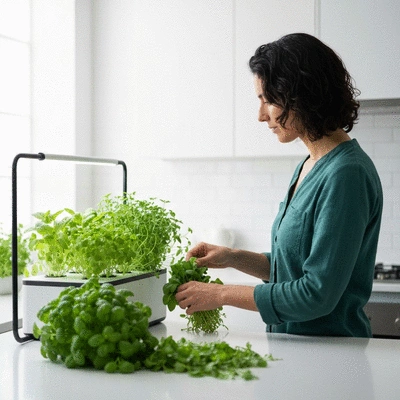
If you’re living in a cozy apartment, compact hydroponic systems are your best friends! These systems are designed to fit neatly on countertops or in small corners without compromising on growth potential.
Compact solutions allow you to enjoy indoor gardening even in the tightest of spaces!
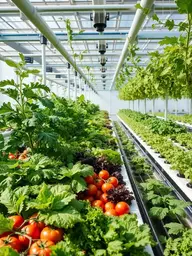
For seasoned gardeners, advanced hydroponic systems will help you grow larger vegetables and herbs. These setups often involve more sophisticated technology, allowing for greater control over the growing environment.
With advanced systems, you're not just growing plants; you're cultivating a thriving ecosystem right in your home!
When selecting a hydroponic system, considering specific features is key to ensuring you get the best fit for your gardening journey. Here's a look at some important features to keep in mind:
By focusing on these features, you can make an informed decision that aligns with your gardening aspirations. Remember, choosing the right hydroponic system means you'll be on your way to enjoying lush, healthy plants in no time!
A: Hydroponics is a method of growing plants without soil, using nutrient-rich water to deliver essential elements directly to the plant roots.
A: Key benefits include year-round gardening, space efficiency for small living areas, healthier plants, and higher yields compared to traditional soil gardening.
A: Yes, systems like Deep Water Culture (DWC) are beginner-friendly due to their simple setup and ease of use.
A: You can grow a variety of plants, including leafy greens, herbs, and certain fruits and vegetables.
A: Modular systems are flexible and expandable, allowing you to adjust them based on the number of plants you want to grow and customize layouts for different plant types.
Here is a quick recap of the important points discussed in the article: