Hydroponic Plants for Home Gardens
Posted on: 2026-03-10
By: Clara M. Greene
Did you know that hydroponics can accelerate plant growth by 20-50% compared to traditional gardening? This innovative method revolutionizes how we think about home gardening!
What You Will Learn
- Hydroponics eliminates the need for soil, allowing for faster growth and higher yields through nutrient-rich water.
- You can control key environmental factors such as nutrients, moisture, and light to optimize plant health.
- Space efficiency is a significant advantage, as hydroponic systems can be set up vertically, making them ideal for small areas.
- Growing hydroponically uses less water than traditional gardening, promoting sustainable practices through water recycling.
- Many leafy greens like lettuce, kale, and spinach thrive in hydroponic systems, making them perfect for beginners.
- Herbs, including basil and mint, are easy to grow hydroponically, providing fresh flavors year-round.
- Fruiting crops like tomatoes and cucumbers can also flourish in hydroponic setups, yielding abundant harvests.
Hydroponics Advantages & Thriving Plants
Discover the compelling benefits of hydroponics and explore the top plant choices that flourish in these innovative systems.
Advantages of Hydroponics
- ✓ Space Efficiency: Vertical setups for small spaces.
- ✓ Water Conservation: Recycles water in a closed loop.
- ✓ Faster Growth: 20-50% quicker due to efficient nutrient delivery.
- ✓ Less Pests/Diseases: Reduced soil-borne issues.
Top Hydroponic Plant Categories
- ● Leafy Greens: Lettuce, Kale, Spinach (Fast, easy)
- ● Herbs: Basil, Mint, Chives (Flavorful, low maintenance)
- ● Fruiting Crops: Tomatoes, Cucumbers, Peppers (Rewarding, more advanced)
Understanding Hydroponics and Its Benefits for Home Growers
Have you ever heard of hydroponics? It’s an innovative way to grow plants without soil! Instead, it uses nutrient-rich water to nourish plants, allowing for faster growth and higher yields. I’ve been fascinated by this method for years, and I believe it’s a fantastic option for home gardeners looking to optimize their space and resources! For those just starting, our guide to starting hydroponics can be incredibly helpful.
So, how does it work? In hydroponics, plants are supported by a growing medium, often something simple like clay pellets or rock wool, while their roots are submerged in a nutrient solution. This system ensures that the plants receive all the essential nutrients they need directly through the water, which can lead to healthier plants and a more efficient growing process.
What is Hydroponics and How Does It Work?
At its core, hydroponics allows you to control every aspect of your plants' environment. You can manage the nutrients, moisture, and even light exposure, leading to optimal growth conditions. There are several types of hydroponic systems, including:
- Nutrient Film Technique (NFT): A thin film of nutrient solution flows over the roots.
- Deep Water Culture (DWC): Roots are submerged in a nutrient solution, with air stones providing oxygen.
- Drip Systems: Nutrients are dripped onto the roots at intervals, ensuring no over-saturation.
Many home gardeners find hydroponics not just rewarding but also a fun challenge! I love experimenting with different systems and watching my plants thrive in unique ways.
The Advantages of Growing Hydroponically at Home
Why should you consider hydroponics for your gardening journey? The benefits are truly compelling! Here are some key advantages:
- Space Efficiency: Hydroponic systems can be set up vertically, making them perfect for small spaces. You can learn more about the benefits of vertical gardening in our article on exploring vertical garden benefits.
- Water Conservation: Using less water than traditional gardening, hydroponics recycles water in a closed loop.
- Faster Growth Rates: Plants generally grow 20-50% faster due to the efficient nutrient delivery system.
- Less Pest and Disease Issues: Soil-borne pests and diseases are significantly reduced, leading to healthier crops!
As someone who truly believes in sustainable gardening practices, I find hydroponics not only exciting but also a way to engage with nature and technology harmoniously. With these advantages, it’s easy to see why many home gardeners are making the switch!
Pro Tip
When setting up your hydroponic system, consider investing in a pH meter. Maintaining the right pH levels (around 5.5 to 6.5 for most plants) is crucial for nutrient absorption and overall plant health. Regular monitoring can help prevent nutrient deficiencies and ensure your plants thrive!
Top Hydroponic Plants for Home and Commercial Growers
As we dive into the exciting world of hydroponics, it's essential to know which plants thrive in these systems! Whether you’re a seasoned gardener or just starting out, understanding the best hydroponic plants can ensure a successful and rewarding experience. Here’s a closer look at the top candidates for both home and commercial growing.
Leafy Greens: Fast-Growing Favorites for Beginners
Leafy greens are a fantastic starting point for anyone delving into hydroponics. Not only do they grow quickly, but they also adapt well to various hydroponic systems. The best part? You can enjoy multiple harvests in just weeks!
- Lettuce: Crisp and refreshing, lettuce is a staple in any garden.
- Kale: Packed with nutrients, kale is perfect for health-conscious growers.
- Spinach: A versatile green that thrives in hydroponic setups.
Each of these leafy greens offers unique flavors and uses in the kitchen, making them a delight to grow. They require minimal effort and can flourish even in smaller spaces—perfect for those just starting their hydroponics journey!
Optimal Conditions and Growth Tips for Leafy Greens
To ensure your leafy greens thrive, it’s vital to maintain the right conditions. Here are a few tips to keep your plants happy:
- Provide adequate light: Aim for 12-16 hours of light daily, using LED grow lights if necessary.
- Monitor water levels: Leafy greens enjoy consistent moisture but avoid waterlogging.
- Maintain a balanced nutrient solution: Keep nutrients balanced to promote healthy growth.
With these simple guidelines, you’ll be well on your way to harvesting lush greens in no time!
Exploring Lesser-Known Leafy Greens: Swiss Chard and Mustard Greens
While lettuce, kale, and spinach often steal the spotlight, don’t overlook these lesser-known leafy greens! Swiss chard adds vibrant color and a slightly sweet taste, while mustard greens offer a peppery kick to your dishes.
- Swiss Chard: Grows well in hydroponic systems and adds beauty with its colorful stems.
- Mustard Greens: Fast-growing and excellent for salads or cooked dishes.
Incorporating these greens into your hydroponic garden not only diversifies your harvest but also enhances your culinary creations!
Herbs: Flavorful and Easy to Grow Hydroponically
Who doesn’t love fresh herbs? They’re an essential component of many dishes and easy to grow in hydroponic systems. Plus, they often require less maintenance than traditional garden plants!
- Basil: A must-have for Italian cuisine, basil grows quickly and abundantly.
- Mint: Refreshing and aromatic, mint is perfect for teas and desserts.
- Chives: These flavorful herbs add a subtle onion taste to various dishes.
By growing herbs hydroponically, you can have fresh flavors at your fingertips all year round. Imagine snipping fresh basil for your pasta or mint for your summer drinks right from your kitchen!
Growing Culinary Herbs: Cilantro, Oregano, and Thyme
In addition to the popular herbs mentioned above, consider growing cilantro, oregano, and thyme in your hydroponic setup. Each of these herbs brings unique flavors to the table!
- Cilantro: Great for salsas and salads, and it loves the cooler weather.
- Oregano: A hearty herb that thrives in hydroponic systems, perfect for Italian dishes.
- Thyme: A versatile herb that adds depth to any recipe.
Growing these herbs allows you to explore a variety of culinary creations while enjoying the freshness that only homegrown herbs can provide!
Best Practices for Herb Cultivation in Hydroponic Systems
To ensure your herbs flourish, here are some essential tips to follow:
- Light: Most herbs thrive with around 10-14 hours of light daily.
- Nutrients: Use high-quality nutrient solutions specifically designed for herbs.
- Spacing: Give your herbs enough room to grow; overcrowding can stunt growth.
By adhering to these practices, you’ll have a thriving herb garden that not only beautifies your space but also enhances your cooking! For more detailed advice on plant care, check out our plant care tips for home gardeners.
Fruiting Crops: Vining Plants That Thrive in Hydroponics
If you’re ready to take your hydroponic gardening to the next level, consider growing fruiting crops! These vining plants can produce an abundance of fruits in a hydroponic setup.
- Tomatoes: A favorite among gardeners, tomatoes require ample support and sunlight.
- Cucumbers: These refreshing fruits grow quickly and make a delicious addition to salads.
- Peppers: Versatile and colorful, peppers add flavor and beauty to your garden.
Growing fruiting crops can be incredibly rewarding, as you watch them flourish and bear fruit right before your eyes!
Choosing the Right Plants: Tomatoes, Cucumbers, and Peppers
When selecting your fruiting crops, consider the types that grow best in hydroponic environments. Tomatoes, cucumbers, and peppers are all excellent choices!
- Choose determinate varieties of tomatoes for easier management.
- Opt for bush cucumbers that fit well in smaller spaces.
- For peppers, consider bell peppers or hot varieties based on your preference.
These selections will provide you with abundant harvests and flavors that elevate your culinary creations!
Supporting Your Plants: Light and Space Requirements
Proper support is essential for vining plants in hydroponics. Here are some tips to help your plants thrive:
- Install trellises or cages for tomatoes and cucumbers to support their growth.
- Ensure adequate light, aiming for at least 14-16 hours of light per day.
- Maintain air circulation around your plants to prevent mold and mildew.
By addressing these requirements, you’ll set your fruiting crops up for success!
Unique Fruiting Options: Strawberries and Eggplant in Hydroponics
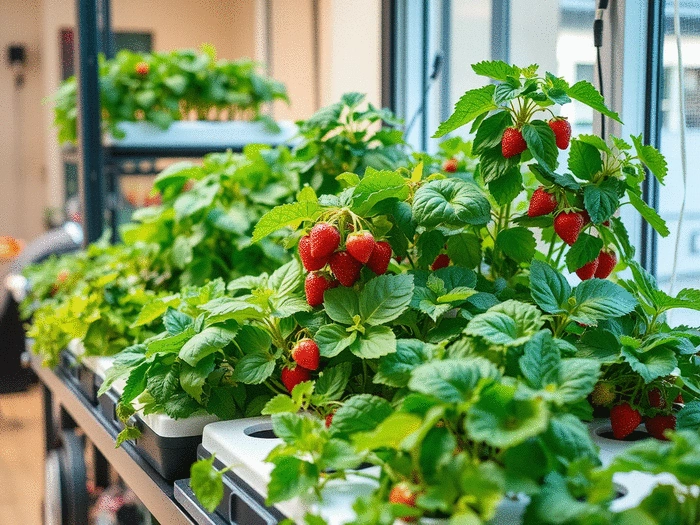
Don’t forget about strawberries and eggplant as unique options for hydroponic gardening! Strawberries can be incredibly rewarding to grow, offering sweet treats right from your garden. Eggplants are also an exciting addition, providing a beautiful harvest with their rich purple hue.
- Strawberries: Enjoy a continuous harvest with proper care and nutrient management.
- Eggplant: Requires warm temperatures and plenty of light for optimal growth.
These options allow for diversity and creativity in your hydroponic garden, making the experience even more enjoyable!
Frequently Asked Questions (FAQs) About Hydroponics
What is hydroponics?
Hydroponics is a method of growing plants without soil, using nutrient-rich water to deliver essential elements directly to the roots. This system allows for greater control over environmental factors and can lead to faster growth and higher yields.
What are the main advantages of hydroponic gardening?
Key advantages include space efficiency (vertical setups are possible), significant water conservation through recycling, faster plant growth rates (20-50% quicker), and reduced issues with soil-borne pests and diseases.
What types of plants grow well in hydroponics, especially for beginners?
Leafy greens like lettuce, kale, and spinach are excellent for beginners due to their fast growth and adaptability. Herbs such as basil, mint, and chives also thrive with minimal maintenance. More advanced growers can successfully cultivate fruiting crops like tomatoes, cucumbers, and peppers.
How much faster do plants grow in hydroponics compared to traditional gardening?
Plants grown hydroponically typically grow 20-50% faster than those in traditional soil-based systems due to the direct and efficient delivery of nutrients to the roots.
What is the importance of pH levels in a hydroponic system?
Maintaining the correct pH level (around 5.5 to 6.5 for most plants) is crucial for nutrient absorption. Incorrect pH can lead to nutrient deficiencies, impacting plant health and growth. Regular monitoring with a pH meter is highly recommended.
Recap of Key Points
Here is a quick recap of the important points discussed in the article:
- Hydroponics Explained: A soil-less growing method that utilizes nutrient-rich water for optimal plant growth.
- Benefits for Home Gardeners: Space efficiency, water conservation, faster growth rates, and reduced pest issues make hydroponics appealing.
- Top Hydroponic Plants: Leafy greens like lettuce, kale, and spinach flourish in hydroponic systems, while herbs and fruiting crops like tomatoes and cucumbers thrive as well.
- Optimal Conditions: Providing adequate light, monitoring water levels, and maintaining nutrient balance are essential for plant health.
- Unique Options: Consider growing lesser-known plants like Swiss chard and unique fruits like strawberries for diverse harvests.
 Why settle for store-bought herbs when you can grow your own at home, in any space? Hydroponic garde
 Ready to transform your gardening experience? Selecting the right sweet corn seeds can make all the
 Imagine harvesting juicy, flavorful tomatoes while actively contributing to sustainable agriculture.
 What if I told you that the secret to growing robust rosemary lies in the soil beneath your feet? Un
 Have you ever wondered how innovative techniques in gardening can reshape our food production? Hydro
 As you prepare to embark on your journey of growing garlic, consider this: garlic cultivation isn't