Cultivate Your Best Garden!

Join Clara M. Greene's community for expert tips and seasonal guides tailored for American gardeners.

Understanding Hydroponic Control Systems


Understanding Hydroponic Control Systems

Posted on: 2026-04-21
By: Clara M. Greene


Did you know that hydroponic systems can save up to 90% of water compared to traditional gardening methods? This revolutionary technology not only conserves resources but also enhances plant growth. Let's explore the key elements that make hydroponics a game-changer for gardeners everywhere.

What You Will Learn

  • Hydroponic control systems automate essential conditions for plant growth, eliminating the need for soil.
  • These systems promote water efficiency, using significantly less water than traditional gardening methods.
  • Space-saving designs make hydroponic setups ideal for urban gardening, allowing growth in small areas.
  • Faster plant growth is achievable because nutrients are directly accessible in solution form.
  • By using hydroponics, you can reduce the risks associated with soil-borne pests and diseases.
  • Understanding nutrient solutions is key to maximizing the health and productivity of your hydroponic garden.
  • Real-world applications include urban gardening, educational initiatives, and commercial farming strategies that utilize hydroponic systems.
  • Community resources, such as online courses and local workshops, are available to help you delve deeper into hydroponic gardening.

Advantages of Automated Hydroponic Systems

Hydroponic systems offer significant benefits for modern gardening, enhancing productivity and sustainability. For those looking to dive deeper into this innovative method, starting hydroponics: a beginner's guide can provide a solid foundation. Explore the key advantages below.

Water Efficiency

Hydroponic systems use significantly less water compared to traditional soil gardening, making them highly sustainable.

Space Saving

These systems can be set up vertically or in compact forms, ideal for urban settings and limited spaces.

Faster Growth

Plants often grow faster due to direct and optimized access to essential nutrients, boosting yield.

Fewer Pests and Diseases

Without soil, the risk of soil-borne pests and diseases is significantly reduced, leading to healthier plants.

Understanding Hydroponic Control Systems and Their Importance

As a passionate gardener at All American Gardeners, I'm always looking for innovative ways to help plants thrive. One of the most exciting advancements in gardening today is the use of hydroponic control systems. These systems can transform how you grow plants, especially if you're short on space or want to maximize your yield. Let’s dive into what these systems are and why they matter!

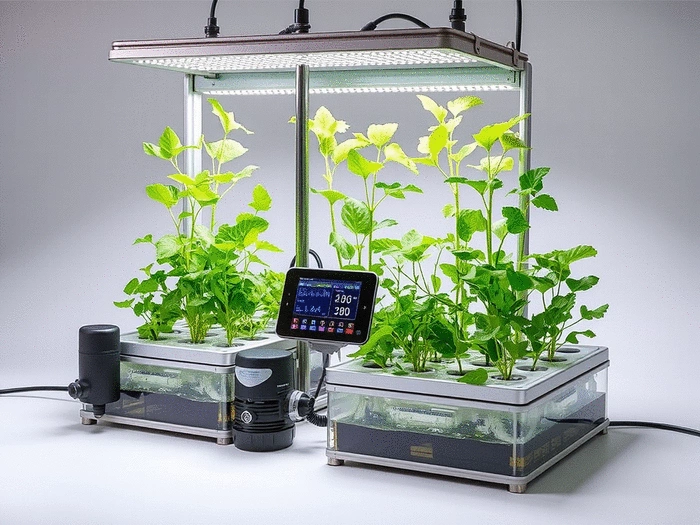
Hydroponic system with lush green plants growing indoors

What is a Hydroponic Control System?

A hydroponic control system is an automated setup that regulates the essential conditions for growing plants without soil. Instead of soil, plants are grown in nutrient-rich water solutions, making them more efficient in nutrient absorption. The system often includes various sensors and controllers that monitor and adjust factors like pH, nutrient levels, and temperature. It’s like having a personal assistant for your garden!

These systems can range from simple setups for home gardeners to complex arrangements used in commercial farming. The key is that they all aim to create an optimal environment for plant growth—without anyone having to dig in the dirt. For tips on managing your plants in these systems, check out our plant care tips for home gardeners.

Key Benefits of Using Automated Hydroponic Systems

  • Water Efficiency: Hydroponic systems use significantly less water compared to traditional soil gardening.
  • Space Saving: These systems can be set up vertically or in compact forms, making them ideal for urban settings.
  • Faster Growth: Plants often grow faster because they have direct access to nutrients.
  • Fewer Pests and Diseases: Without soil, you reduce the risk of soil-borne pests and diseases.

By embracing hydroponic technology, you can enjoy a bountiful garden even in limited spaces. It’s a perfect solution for both new and experienced gardeners looking to optimize their efforts!

The Role of Nutrient Solution in Hydroponic Growth

The heart of any hydroponic system lies in its nutrient solution. This mixture contains essential nutrients that plants need, such as nitrogen, phosphorus, and potassium. In a hydroponic setup, these nutrients are dissolved in water, making them readily available for plant roots. It’s all about providing the right balance to promote healthy growth!

To get started with hydroponics, you'll want to familiarize yourself with different nutrient solutions and how they affect various plants. Incorporating this knowledge can lead to healthier, more productive gardens. Remember, the right nutrients are key to your gardening success!

Components of a Hydroponic Control System

Now that we've established the importance of hydroponic control systems, let's discuss the various components that make these systems work effectively. Understanding these elements not only helps in setting up your system but also in troubleshooting any issues that may arise.

Engage with Us!

How do you envision using hydroponic systems in your gardening journey? Share your thoughts below:

Summarizing the Benefits of Hydroponic Control Systems

Hydroponic control systems are revolutionizing the way we think about growing plants, especially in urban settings where space is limited. By allowing for precise monitoring and control of environmental factors, these systems provide several key benefits that can significantly enhance productivity and sustainability in gardening. Let’s dive into some real-world applications!

From fresh herbs to leafy greens, hydroponics is making a mark in both home gardens and commercial farms. As a passionate gardener myself, I've seen how effective these systems can be in maximizing yield while minimizing resource usage.

Real-World Applications and Success Stories

  • Urban Gardening: Many city dwellers are using hydroponic systems to grow their own food in small spaces, like balconies and rooftops.
  • Schools and Education: Schools are incorporating hydroponics into their science curriculum, teaching students about sustainable farming practices.
  • Commercial Farms: Professional growers are embracing hydroponics for its ability to produce crops faster and with fewer pests and diseases.
  • Research Initiatives: Universities are conducting studies on hydroponic systems to improve agricultural efficiency and explore innovative growing techniques.

Each of these applications highlights the versatility and effectiveness of hydroponic systems. Whether for personal use or on a larger scale, these technologies are not only enhancing our ability to grow food but also paving the way for a more sustainable future.

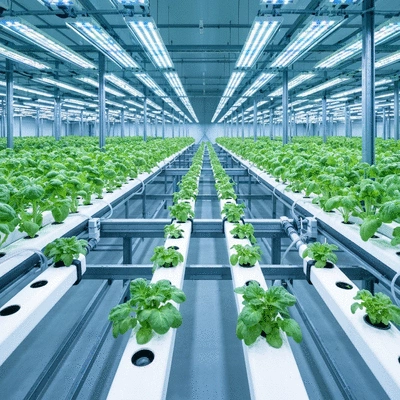
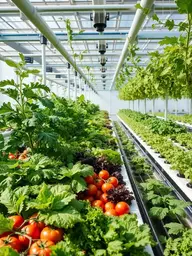
Automated hydroponic farm with rows of plants under LED lights

Next Steps for Engaging with Hydroponic Technology

If you're excited about the possibilities hydroponic systems offer, you're not alone! Engaging with this technology opens up a world of opportunities for gardening enthusiasts. It's time to explore how you can dive into this realm of controlled agriculture.

Resources for Further Learning and Community Involvement

  • Online Courses: Look for platforms that offer courses on hydroponic gardening techniques and system setup.
  • Gardening Forums: Join online communities where you can share experiences and ask questions about hydroponics.
  • Local Workshops: Many gardening centers host workshops that provide hands-on learning about hydroponic systems.
  • Books and Blogs: There are numerous resources available that delve into the specifics of hydroponic gardening.

These resources will help deepen your understanding and connect you with fellow enthusiasts who share your passion for this innovative gardening method.

Join the Hydroponic Movement: Explore Tools and Tutorials

Are you ready to take the plunge into hydroponics? There are fantastic tools and tutorials available that can guide you through your first setup! From selecting the right equipment to managing your nutrient solutions effectively, the community at All American Gardeners is here to support you every step of the way.

Don’t hesitate to check out our curated guides on understanding hydroponic systems today and connect with other gardeners who are also embarking on this exciting journey!

Understanding Controlled Environment Agriculture (CEA) for Urban Gardening

Controlled Environment Agriculture (CEA) is an essential component of modern urban gardening. By utilizing hydroponic systems within a controlled environment, you can create optimal growing conditions regardless of outside weather. This approach not only maximizes productivity but also minimizes resource consumption, making it an ideal solution for urban settings. For more ideas on maximizing space, consider exploring vertical garden benefits.

As you think about your own gardening space, consider how CEA can transform your approach. With the right resources and community support, you can start cultivating a lush, productive garden right in the heart of the city!

Frequently Asked Questions About Hydroponic Control Systems

Here are some common questions about hydroponic control systems to further your understanding:

  • What is a hydroponic control system? A hydroponic control system is an automated setup that manages environmental conditions for growing plants without soil, using nutrient-rich water solutions.
  • How do hydroponic systems save water? Hydroponic systems recirculate water, significantly reducing water consumption compared to traditional soil gardening methods where much water is lost to runoff and evaporation.
  • Can hydroponics be used in small spaces? Yes, hydroponic systems are highly space-efficient and can be set up vertically or in compact designs, making them ideal for urban gardening and small areas.
  • Do plants grow faster in hydroponics? Plants often grow faster in hydroponic systems because they have direct and optimized access to essential nutrients, which boosts their growth rate and yield.
  • What are the benefits of using automated hydroponic systems? Key benefits include water efficiency, space-saving designs, faster plant growth, and a significant reduction in soil-borne pests and diseases.
  • What role do nutrient solutions play in hydroponics? Nutrient solutions are crucial as they deliver all the necessary minerals and elements directly to plant roots, ensuring healthy development and maximizing productivity.
  • Where can I find resources to learn more about hydroponics? You can find resources such as online courses, gardening forums, local workshops, and specialized books and blogs dedicated to hydroponic gardening.

Recap of Key Points

Here is a quick recap of the important points discussed in the article:
  • Hydroponic Control Systems: Automated setups that regulate conditions for growing plants without soil, enhancing nutrient absorption.
  • Key Benefits: These systems offer water efficiency, space-saving setups, faster growth, and reduced pest risks.
  • Nutrient Solutions: Critical for plant health; the right balance of nutrients promotes optimal growth.
  • Real-World Applications: Effective in urban gardening, education, commercial farms, and research initiatives.
  • Next Steps: Engage with hydroponic technology through online courses, forums, workshops, and community resources.

Subscribe & Share
Caring for Indoor Chinese Elm Bonsai Caring for Indoor Chinese Elm Bonsai As you embark on the enriching journey of indoor gardening, consider this: the Chinese Elm bonsai is
Growing Zinnia Seeds at Home Growing Zinnia Seeds at Home If you're seeking to transform your garden into a vibrant oasis, zinnia seeds could be your best fri
Creating Your Indoor Herb Garden Creating Your Indoor Herb Garden Are you ready to enhance your cooking with a touch of nature right from your kitchen? With indoor he
Understanding Vertical Hydroponics Basics Understanding Vertical Hydroponics Basics Are you ready to transform your gardening experience? Vertical hydroponics is not just a trend; it's
Grow Tomatoes with Vertical Trellis Grow Tomatoes with Vertical Trellis What if you could grow more tomatoes in less space while enhancing the beauty of your garden? A vert
Choosing Landscape Edging Stones Choosing Landscape Edging Stones Ever wondered how to elevate your garden's aesthetics while keeping it organized? Landscape edging s
Banner
All American Gardeners

Your premier online resource for mastering home gardening across the U.S. We empower American home gardeners with expert tips, step-by-step guides, and sustainable practices for thriving outdoor spaces.

Trusted by gardeners nationwide, our mission is to provide reliable, easy-to-follow insights backed by Clara M. Greene's extensive horticulture experience and practical advice.

Cultivate Your Garden
Recent Posts
Caring for Indoor Chinese Elm Bonsai Caring for Indoor Chinese Elm Bonsai

As you embark on the enriching journey of indoor g

Growing Zinnia Seeds at Home Growing Zinnia Seeds at Home

If you're seeking to transform your garden into a

Creating Your Indoor Herb Garden Creating Your Indoor Herb Garden

Are you ready to enhance your cooking with a touch

Gardening Wisdom from All American Gardeners