Hydroponic Advantages
- 🚀 Faster Growth: Up to 30% quicker than traditional methods.
- 💧 Less Water: Uses up to 90% less water.
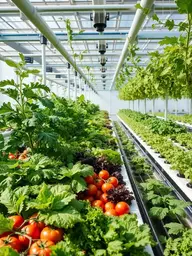
- 🏠 Space Efficient: Grow more in smaller areas.
Join Clara M. Greene's community for expert tips and seasonal guides tailored for American gardeners.
Posted on: 2026-02-20
By: Clara M. Greene
As you explore the innovative realm of hydroponics, you'll discover a method that not only enhances your gardening skills but also contributes to sustainable practices. Ready to transform your gardening experience?
This visual highlights the key advantages of hydroponics and compares two popular systems: Aeroponics and Deep Water Culture.
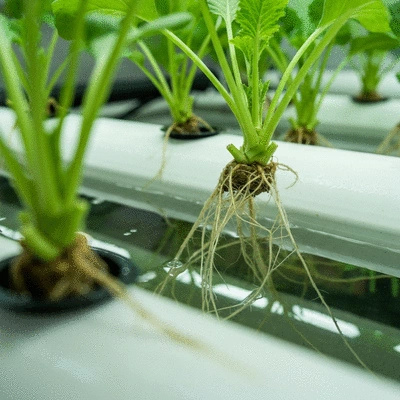
Plants suspended in air, sprayed with nutrient solution. Offers high oxygen levels.
Plant roots submerged in oxygen-rich nutrient solution.
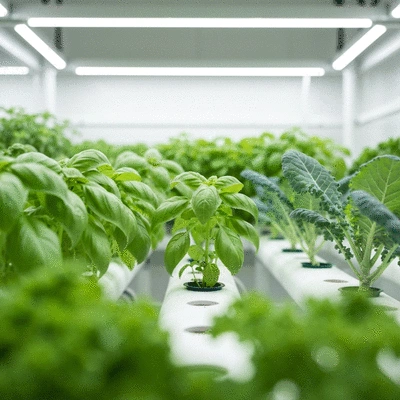
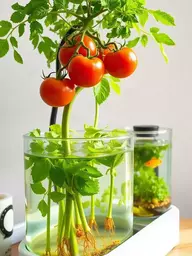
Let’s dive into the world of hydroponics! This innovative technique allows you to grow plants without soil, using a nutrient-rich water solution instead. By eliminating the need for traditional gardening methods, hydroponic systems offer numerous advantages, such as faster growth rates, reduced water usage, and the ability to grow in smaller spaces. Isn’t that exciting for us home gardeners who love to maximize our yield? For a deeper understanding of starting this method, check out starting hydroponics: a beginner's guide.
In hydroponics, plants receive essential nutrients directly from the water, which means they can focus all their energy on growing instead of searching for nutrients. This leads to healthier plants and a more productive garden. Plus, hydroponics can be practiced indoors or outdoors, making it a versatile option for gardeners across the United States!
At its core, hydroponics leverages the principles of soilless cultivation to create efficient growing environments. By providing the right balance of nutrients and oxygen, we can encourage plants to thrive without the limitations imposed by soil. If you’ve ever been frustrated by poor soil conditions or pests, this method could be your perfect solution!
Hydroponic systems require careful monitoring of nutrient levels and pH, but with the right tools and guidance—like what we offer at All American Gardeners—you’ll be well on your way to a successful setup!
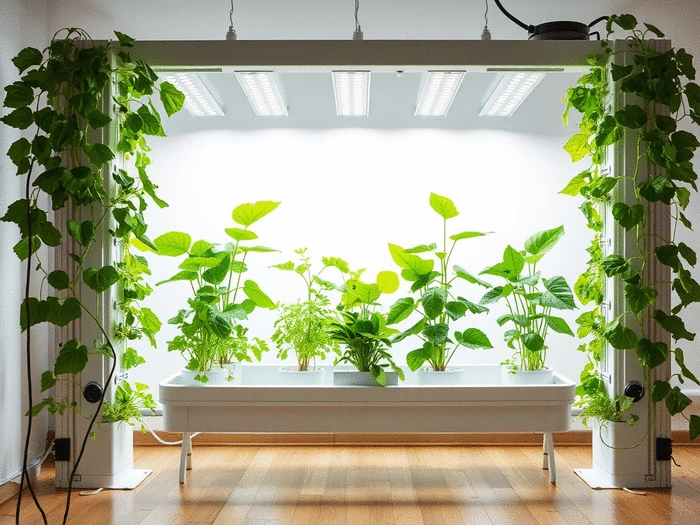
Choosing the right hydroponic system can feel overwhelming, but it’s crucial to select one that aligns with your gardening goals. Here’s an overview of some popular options:
Each system has its strengths and weaknesses, depending on factors like space, budget, and the types of plants you want to grow. It’s essential to consider your specific needs before investing in a hydroponic setup!
Two innovative hydroponic methods gaining popularity are aeroponics and deep water culture (DWC). In aeroponics, plants are suspended in the air and sprayed with a nutrient solution, allowing for superior oxygen exposure. This method promotes rapid plant growth but can be more complex to manage.
While both systems provide excellent growth opportunities, they come with unique challenges. Aeroponics requires precise control of misting schedules and nutrient levels, whereas DWC needs careful monitoring of water temperatures and oxygen levels. As you explore these options, remember that the journey of hydroponics is filled with learning experiences. Happy gardening!
When setting up your hydroponic system, consider starting small. Opt for a simple Nutrient Film Technique (NFT) or Deep Water Culture (DWC) setup to understand the basics. As you gain confidence and experience, you can expand your system or try more complex methods like aeroponics. Remember, the key to successful hydroponics is consistent monitoring and adjustments!
As we wrap up our exploration of hydroponic systems, it's essential to reflect on the key factors that will guide your decision-making process. Whether you're a seasoned gardener or just starting, understanding your unique needs and the features of various systems is crucial for success. Here are some important points to keep in mind:
By evaluating these factors, you can make an informed choice that aligns with your gardening goals. Remember, the right hydroponic system can transform your gardening experience into a rewarding and productive journey!
Now that you've gathered insights into hydroponic systems, it’s time to take action! Start by exploring different options available on the market. You can utilize resources like All American Gardeners to compare systems tailored to your needs. Don't hesitate to reach out to fellow gardeners or online communities to share experiences and gain insights.
Each step you take will help solidify your confidence in hydroponic gardening! Embrace the journey and remember that every gardener's experience is unique—don’t be afraid to learn from your mistakes and successes alike!
Looking ahead, it's exciting to see how hydroponics is evolving as a sustainable solution for food production. With growing concerns about climate change and food security, hydroponics is paving the way for more environmentally friendly practices. Here are some trends to keep an eye on:
As we continue to innovate and adapt, hydroponic gardening stands as a testament to the synergy between technology and sustainable practices. Embrace these trends as you embark on your hydroponic journey, and feel free to share your experiences with the gardening community. Together, we can cultivate a greener future!
A: Hydroponics offers several advantages, including faster plant growth (up to 30% quicker), significantly less water usage (up to 90% less), and increased space efficiency, allowing you to grow more in smaller areas.
A: In Aeroponics, plants are suspended in the air and their roots are misted with a nutrient solution, providing high oxygen levels. It is ideal for leafy greens and herbs but can be complex. Deep Water Culture (DWC) involves submerging plant roots directly into an oxygen-rich nutrient solution, making it a good choice for beginners and larger plants, though it requires monitoring water temperature and oxygen.
A: Key factors include available space, the types of plants you wish to grow, your budget for initial setup and ongoing maintenance, and your technical skill level. Some systems are more complex than others.
A: Yes, hydroponics is highly suitable for urban gardening due to its space-efficient nature. Techniques like vertical farming maximize yield in limited spaces, making it perfect for city environments.
A: Future trends include the integration of renewable energy sources (like solar and wind) to reduce carbon footprints, advancements in smart technology for automated monitoring and control, and the growth of community farming initiatives to promote local food production.
Here is a quick recap of the important points discussed in the article: