Cultivate Your Best Garden!

Join Clara M. Greene's community for expert tips and seasonal guides tailored for American gardeners.

Hydroponic Gardening Made Simple


hydroponic garden

Posted on: 2026-02-17
By: Clara M. Greene


Did you know that plants can grow 30-50% faster without soil? Welcome to the innovative world of hydroponic gardening, where nutrient-rich water supports thriving plants! Discover how this sustainable technique can transform your gardening experience.

What You Will Learn

  • Hydroponic systems use nutrient-rich water instead of soil, enabling faster growth and healthier plants.
  • Manage nutrient levels and pH balance to ensure optimal plant health and maximize yield.
  • Hydroponics is space-efficient and can be done indoors, allowing year-round gardening regardless of climate.
  • Understand the importance of selecting the right hydroponic system based on your space, budget, and gardening goals.

Hydroponic System Benefits and Key Factors

Discover the compelling advantages of hydroponic gardening and the crucial elements for success in the visual breakdown below. For those new to this exciting method, a good starting point is starting hydroponics: a beginner's guide, which can help you lay a strong foundation for your garden.

Benefits of Hydroponic Systems

Faster Growth

30-50% quicker than soil.

Less Pesticide Use

Fewer pests & diseases.

Year-Round Gardening

Indoor growth, climate independent.

Key Ingredients for Hydroponic Success

Nitrogen (N)

For leaf growth.

Phosphorus (P)

Root & flowering.

Potassium (K)

Overall plant health.

Managing pH Balance

Test Regularly

Use a pH meter.

Adjust When Necessary

pH up/down solutions.

Monitor Plant Health

Watch for deficiencies.

Understanding Hydroponic Gardens: What You Need to Know

Welcome to the fascinating world of hydroponic gardening! Have you ever heard of growing plants without soil? That’s right—hydroponic gardens are a soil-free method of cultivation where plants grow in nutrient-rich water. This innovative technique can lead to quicker growth and healthier plants. Let’s dive into the basics and discover how it all works!

What is a Hydroponic Garden and How Does It Work?

A hydroponic garden is a system where plants are grown in a water-based solution, supplemented with essential nutrients. Instead of soil, the roots are supported by an inert medium, such as rock wool or clay pellets. This method allows for better control over the growing environment.

  • Water Usage: Hydroponics often uses less water than traditional gardening.
  • Nutrient Control: You can precisely manage what your plants receive.
  • Space Efficiency: Hydroponic systems can be set up vertically or indoors, making them perfect for smaller spaces. If you're interested in maximizing your growing area, you might also want to explore exploring vertical garden benefits for even greater efficiency.

By eliminating the need for soil, hydroponic gardens reduce pests and diseases associated with ground planting. This means that you can enjoy a cleaner, more sustainable gardening experience!

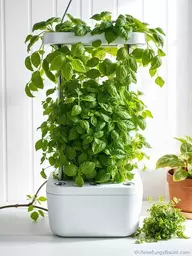
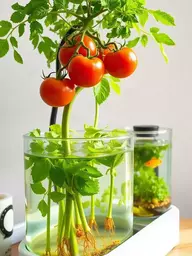
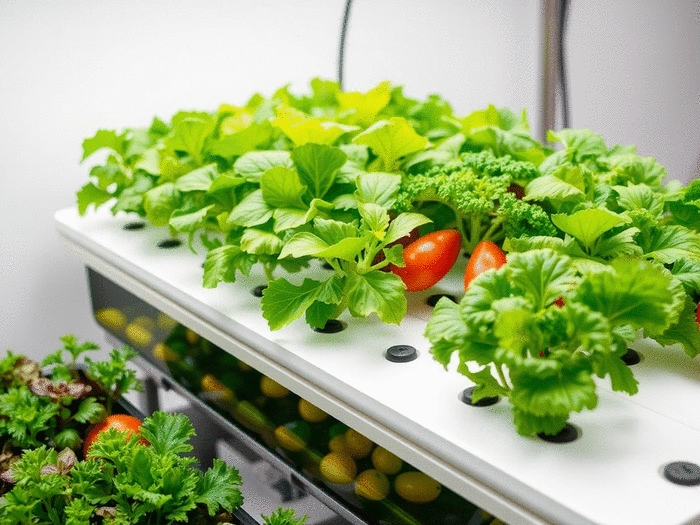
Hydroponic setup with lush green plants growing in water, no text, no words, no typography, clean image

Benefits of Growing Plants in Hydroponic Systems

So, why choose hydroponics? The benefits are compelling! Here are some key advantages of growing plants using hydroponic systems:

  • Faster Growth: Plants typically grow 30-50% faster than in soil due to direct access to nutrients.
  • Less Pesticide Use: With fewer pests and diseases, you'll rely less on harmful pesticides.
  • Year-Round Gardening: Hydroponics can be done indoors, allowing for year-round harvests regardless of climate.

These benefits make hydroponic gardening an attractive option for both new and experienced gardeners. Plus, it’s such a joy to see your plants thrive in a controlled environment!

Exploring Nutrient Solutions: Key Ingredients for Hydroponic Success

Successful hydroponic gardening relies on the right nutrient solutions. These solutions provide plants with essential elements like nitrogen, phosphorus, and potassium—all critical for growth. Here’s a list of essential nutrient ingredients:

  • Nitrogen (N): Vital for leaf growth.
  • Phosphorus (P): Supports root development and flowering.
  • Potassium (K): Enhances overall plant health and resilience.
  • Micronutrients: Such as iron, magnesium, and calcium, which are necessary in smaller amounts.

Remember, it’s important to measure your nutrient levels regularly to ensure your plants are getting exactly what they need to flourish. Keeping a close eye on nutrient concentration will lead to healthy, vibrant plants!

Understanding pH Balance in Hydroponic Gardening

The pH level of your nutrient solution is crucial for plant health. Most plants thrive in a pH range of 5.5 to 6.5. If the pH is too high or too low, plants can struggle to absorb nutrients properly. Here’s how you can manage pH levels:

  • Test Regularly: Use a pH meter to check your solution regularly.
  • Adjust When Necessary: Use pH up or down solutions to maintain the ideal range.
  • Monitor Plant Health: Watch for signs of nutrient deficiencies or toxicities.

By ensuring the right pH balance, you’ll create an optimal environment for your plants to thrive. It’s all about creating a perfect balance in your hydroponic garden!

Frequently Asked Questions (FAQs) about Hydroponic Gardening

Q: What is hydroponic gardening?
A: Hydroponic gardening is a method of growing plants without soil, using nutrient-rich water instead. Plants are supported by inert media like rock wool or clay pellets.
Q: What are the main benefits of hydroponics?
A: Key benefits include faster plant growth (30-50% quicker), reduced pesticide use, and the ability to garden year-round indoors, regardless of climate.
Q: What nutrients do hydroponic plants need?
A: Plants require essential elements like nitrogen (for leaf growth), phosphorus (for roots and flowering), potassium (for overall health), and various micronutrients such as iron, magnesium, and calcium.
Q: Why is pH balance important in hydroponics?
A: Maintaining the correct pH level (typically 5.5 to 6.5) ensures plants can properly absorb nutrients. Incorrect pH can lead to nutrient deficiencies or toxicities.
Q: Should I choose a commercial kit or a DIY hydroponic system?
A: Commercial kits are user-friendly and great for beginners, while DIY solutions offer more customization and can be more cost-effective if you're willing to invest time in setup.

Pro Tip

To optimize your hydroponic garden's yield, consider using a nutrient solution that closely mimics the natural soil composition. This balance allows plants to absorb essential nutrients more effectively, ensuring robust growth and vibrant health.

Making the Right Choice for Your Hydroponic Garden

Choosing the right hydroponic system for your home can feel overwhelming, but it doesn’t have to be! At All American Gardeners, we’re passionate about simplifying the gardening journey for everyone. To find the best system for your needs, start by evaluating your available space, budget, and gardening goals. After all, every gardener has unique needs, and understanding yours is key to selecting the perfect hydroponic setup!

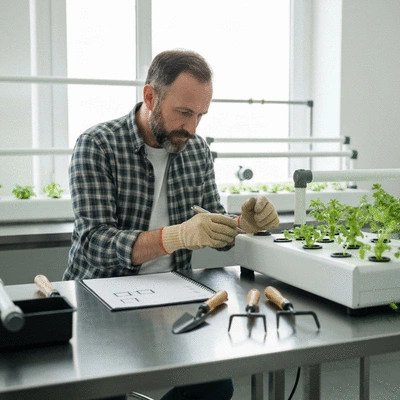
Person evaluating different hydroponic systems, with a checklist and gardening tools, no text, no words, no typography, clean image

Here’s a quick checklist to help you navigate your decision:

  • Consider your available space: How much room do you have for your hydroponic garden?
  • Define your goals: Are you looking to grow herbs, vegetables, or both?
  • Budget wisely: What’s your budget for initial setup and ongoing maintenance?
  • Assess your knowledge level: Are you a beginner, or do you have previous gardening experience?

By answering these questions, you’ll gain clarity on what type of hydroponic system will best suit your lifestyle. Remember, the right choice can make all the difference in your gardening success!

Weighing Pros and Cons: Commercial Kits vs. DIY Solutions

When considering hydroponic gardening, you’ll typically find yourself weighing the options between commercial kits and DIY solutions. Each option has its own set of benefits and drawbacks, and understanding them can help you make an informed decision. Let’s break it down!

  • Commercial Kits: These are user-friendly, often come with everything you need, and are great for beginners.
  • DIY Solutions: They offer customization and can be more cost-effective, but may require more time and effort to set up.

It’s worth considering what fits your lifestyle best. If you want something that’s ready to go out of the box, a commercial kit might be your best bet. But if you love the thrill of building something from scratch, DIY could be a rewarding choice! For those interested in a deeper dive into plant care, our plant care tips for home gardeners offers valuable insights that can be applied to both hydroponic and traditional setups.

Hydroponic Kits and Supplies: What to Look For

When shopping for hydroponic kits, it’s essential to know what features to prioritize to ensure your success. I’ve learned through my experience at All American Gardeners that certain components can make or break your hydroponic gardening adventure!

  • Type of System: Choose between deep water culture, nutrient film technique, or aeroponics based on your preferences.
  • Light Source: Ensure the kit includes grow lights or plan to purchase them separately.
  • Nutrient Solutions: Look for kits that provide nutrient solutions designed for hydroponics.
  • Ease of Assembly: Opt for kits with clear instructions and minimal assembly required.

By focusing on these key features, you’ll set yourself up for an enjoyable and fruitful hydroponic gardening experience! If you're looking to expand your gardening knowledge beyond hydroponics, consider checking out our guide on organic gardening tips for beginners.

Recap of Key Points

Here is a quick recap of the important points discussed in the article:
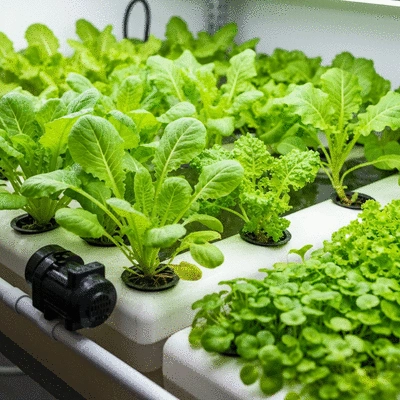
  • Hydroponic Gardening: A soil-free method where plants grow in nutrient-rich water, leading to faster growth and healthier plants.
  • Key Benefits: Faster growth rates, reduced pesticide use, and the ability to garden year-round, regardless of climate.
  • Nutrient Solutions: Essential elements like nitrogen, phosphorus, and potassium are crucial for plant health; regular measurement is essential.
  • pH Management: Maintaining a pH level between 5.5 and 6.5 is vital for nutrient absorption; regular testing and adjustments are recommended.
  • Choosing a Hydroponic System: Evaluate your space, budget, and gardening goals to find the best hydroponic setup for your needs.
  • Commercial vs. DIY: Consider the ease of use and customization when deciding between commercial kits and DIY solutions for hydroponic gardening.

Subscribe & Share
Growing Your Own Herb Garden Herb Garden Ever thought about the joy of nurturing your own herb garden? It's not just about cooking; it's a ga
Plant Care Tips for Home Gardeners Ultimate Guide to Plant Care for American Home Gardeners What if your garden could not only thrive but also play a vital role in your local ecosystem? Unders
Gardening with Burpee Seeds burpee gardening Starting your gardening journey can feel overwhelming, but with the right tools and knowledge at you
Banner
All American Gardeners

Your premier online resource for mastering home gardening across the U.S. We empower American home gardeners with expert tips, step-by-step guides, and sustainable practices for thriving outdoor spaces.

Trusted by gardeners nationwide, our mission is to provide reliable, easy-to-follow insights backed by Clara M. Greene's extensive horticulture experience and practical advice.

Cultivate Your Garden
Recent Posts
Herb Garden Growing Your Own Herb Garden

Ever thought about the joy of nurturing your own h

Ultimate Guide to Plant Care for American Home Gardeners Plant Care Tips for Home Gardeners

What if your garden could not only thrive but also

burpee gardening Gardening with Burpee Seeds

Starting your gardening journey can feel overwhelm

Gardening Wisdom from All American Gardeners