Growing Plants with LED Lights
Posted on: 2026-03-21
By: Clara M. Greene
Did you know that using LED grow lights can dramatically impact your indoor gardening success? As technology advances, so does our ability to cultivate plants in innovative ways. Here’s what you’ll discover about the transformative power of LED lighting.
What You Will Learn
- LED grow lights provide energy efficiency, consuming significantly less power than traditional bulbs.
- Customizable light spectrums—red and blue wavelengths—enhance different growth stages in plants.
- LED lights have a long lifespan, reducing the frequency of replacements and overall gardening costs.
- Using LED lights promotes sustainable practices by minimizing energy consumption and facilitating local food production.
Optimizing Plant Growth with LED Light Spectrums: A Visual Guide
This visual guide illustrates how different LED light spectrums contribute to various stages of plant development and overall health. Understanding these spectrums is key to maximizing your indoor garden's potential, much like understanding organic gardening tips for beginners can set you up for success outdoors.
Blue Light (400-500 nm)
Essential for vegetative growth, promoting strong stems and lush foliage.
Red Light (600-700 nm)
Crucial for flowering and fruiting, often combined with blue light.
Chlorophyll A
Absorbs blue and red light to drive photosynthesis most effectively.
Chlorophyll B
Captures light in the blue and orange spectrum to assist Chlorophyll A.
Understanding the Basics of Growing Plants with LED Lights
As a passionate gardener, I’m always exploring new ways to help my plants thrive. One of the most exciting advancements in gardening technology is the use of LED grow lights. But what exactly are they, and how do they work? Let’s delve into the basics!
LED grow lights are specially designed lighting systems that provide specific light spectrums to support plant growth. Unlike traditional bulbs, these lights emit less heat, which makes them ideal for indoor gardening. They work by converting electrical energy into light with minimal energy loss, resulting in lower electricity bills—a win for your pocket and the environment! To further enhance your indoor setup, consider exploring a beginner's guide to hydroponics.
What are LED Grow Lights and How Do They Work?
LED (Light Emitting Diode) grow lights function by emitting light in a way that mimics natural sunlight. They can be tailored to produce the wavelengths that plants need most, which is crucial for photosynthesis. So, what does all this mean for your garden?
- Energy Efficiency: LEDs consume significantly less power than traditional bulbs, making them environmentally friendly.
- Longevity: These lights can last for tens of thousands of hours, reducing the need for frequent replacements.
- Customizable Spectrums: You can choose lights that cater to different stages of plant growth, ensuring your plants receive exactly what they need.
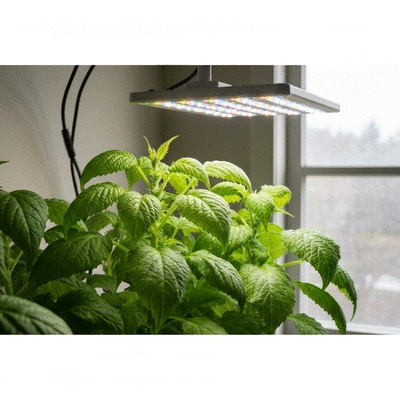
As a gardener who values sustainability, I've found that using LED lights not only boosts my plants' growth but also aligns with my commitment to preserving our planet.
The Science Behind LED Spectrums: Red, Blue, and Beyond
When it comes to plant growth, not all light is created equal. Plants utilize different wavelengths of light for various functions. For instance, blue light promotes leaf growth, while red light encourages flowering. Understanding these spectrums can help you optimize your indoor garden!
- Blue Light (400-500 nm): Essential for vegetative growth, helping plants develop strong stems and lush foliage.
- Red Light (600-700 nm): Crucial for flowering and fruiting, often used in combination with blue light for a balanced growth cycle.
- Far-Red Light (700-800 nm): Can enhance flowering and fruiting; however, it's typically used in lower quantities.
By selecting LED grow lights that offer a balanced spectrum of red and blue wavelengths, you can recreate a sunlight-like environment that supports healthy plant development.
The Importance of Light Wavelength in Photosynthesis
Photosynthesis is the process by which plants convert light energy into chemical energy, and light wavelengths play a vital role in this process. When plants absorb specific wavelengths, they can produce the energy needed for growth and development.
- Chlorophyll A: Absorbs blue and red light, driving the photosynthesis process most effectively.
- Chlorophyll B: Works alongside Chlorophyll A by capturing light in the blue and orange spectrum.
- Carotenoids: Aid in light absorption and protect plants from excess light, contributing to overall health.
Understanding how light wavelengths affect photosynthesis will help you choose the right LED lights for your specific plants. With my experience at All American Gardeners, I encourage you to pay attention to these details; they can make a significant difference in your gardening success!
Pro Tip
To maximize the effectiveness of your LED grow lights, consider using a timer to automate their operation. This ensures your plants receive consistent light exposure, mimicking natural sunlight cycles. Aim for 12-16 hours of light per day for most vegetables and herbs to promote healthy growth!
Summarizing the Benefits of Growing with LED Lights
Growing plants with LED lights can completely change your gardening experience! Whether you're cultivating fresh herbs in your kitchen or nurturing a full indoor garden, the benefits of LED technology are vast. These lights provide a tailored spectrum that meets your plants’ specific needs, resulting in healthier growth and vibrant blooms.
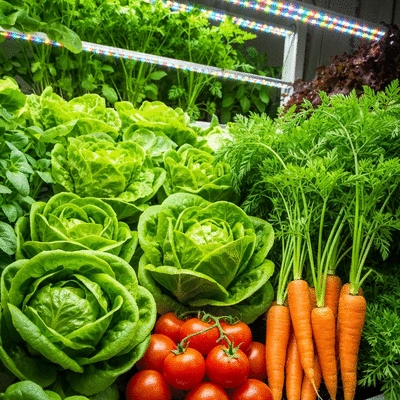
One of the biggest advantages is their energy efficiency. LED lights consume less power compared to traditional lighting, which means lower electricity bills and a smaller carbon footprint. Plus, their long lifespan reduces the frequency of replacements, making them a smart investment for any gardener. For those looking to expand their sustainable gardening practices, understanding the benefits of live green walls can offer additional eco-friendly solutions.
How LED Grow Lights Can Transform Your Gardening Experience
Have you ever felt frustrated by the limitations of natural light? With LED grow lights, that frustration can be a thing of the past. These lights allow you to control the environment, enabling you to grow plants year-round, irrespective of the weather outside. Imagine enjoying fresh, homegrown veggies in the middle of winter!
- Enhanced growth rates: LED lights can promote faster plant growth by providing the optimal light spectrum.
- Reduced heat output: This feature minimizes the risk of overheating your plants, allowing you to place lights closer without damage.
- Customizable settings: You can adjust spectrum and intensity based on the growth stage of your plants for maximum effect.
As a gardener myself, I’ve found that utilizing LED lights really brings out the best in my plants. I love the flexibility it offers, and I feel more connected to my gardening journey!
Encouraging Sustainable Practices in Plant Growth
At All American Gardeners, we believe in promoting sustainability in every aspect of gardening. LED lights align perfectly with this mission. By reducing energy consumption and allowing for more efficient use of resources, they help foster an eco-friendly growing environment.
- Using LED lights promotes water conservation, as plants grow healthier and require less frequent watering.
- They support organic practices by enabling growers to maximize yields without harmful chemicals.
- LED technology encourages local food production, reducing the need for transportation and its environmental impact.
By choosing LED lights, you’re not just making a choice for your plants; you’re making a choice for the planet, too!
Exploring the Health Benefits of Proper Lighting for Plant Varieties
The right lighting can significantly influence the health of your plants. With LED lights, you can enhance the quality of the crops you grow. For example, specific light spectrums can boost the production of essential oils, leading to more flavorful herbs and vibrant flowers. Achieving optimal plant health is a continuous learning process, and just as important as selecting the right light is knowing how to address common plant issues to ensure your garden thrives.
- Red light helps with flowering and fruiting, perfect for tomatoes and peppers.
- Blue light is essential for vegetative growth, making it ideal for leafy greens.
- Full-spectrum lights combine the best of both worlds, supporting all growth stages.
When I turned to LED grow lights, my basil plants flourished like never before! It’s a joy to witness the positive effects of the right light on plant health.
Frequently Asked Questions About LED Grow Lights
- Q1: What makes LED grow lights energy efficient?
- A1: LED grow lights convert electrical energy into light with minimal heat loss, consuming significantly less power than traditional grow lights. This efficiency leads to lower electricity bills and a reduced carbon footprint.
- Q2: How do different light spectrums affect plant growth?
- A2: Different light spectrums promote various stages of plant growth. Blue light (400-500 nm) is essential for vegetative growth, fostering strong stems and lush foliage. Red light (600-700 nm) is crucial for flowering and fruiting, often used in combination with blue light for a balanced growth cycle.
- Q3: What is the lifespan of LED grow lights?
- A3: LED grow lights have a long lifespan, often lasting tens of thousands of hours. This reduces the frequency of replacements, making them a cost-effective and convenient option for indoor gardeners.
- Q4: Can LED grow lights be used for all types of plants?
- A4: Yes, LED grow lights can be customized to provide the specific light spectrums needed for a wide variety of plants, supporting different growth stages from seedlings to flowering and fruiting plants.
- Q5: How do LED grow lights contribute to sustainable gardening?
- A5: LED grow lights promote sustainability by minimizing energy consumption, reducing water usage (due to healthier plants), supporting organic growing practices, and encouraging local food production, which lessens reliance on long-distance transportation.
Recap of Key Points
Here is a quick recap of the important points discussed in the article:
- Energy Efficiency: LED grow lights consume less power than traditional bulbs, reducing electricity costs and environmental impact.
- Customizable Spectrums: Tailored light spectrums can be chosen to meet the specific needs of plants at different growth stages.
- Enhanced Growth Rates: LED lights promote faster plant growth by providing optimal light conditions.
- Longevity: LED lights have a long lifespan, minimizing the need for frequent replacements.
- Sustainability: Using LED lights supports eco-friendly practices, such as water conservation and organic gardening.
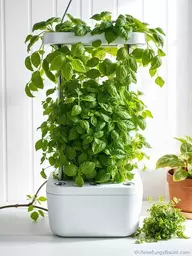 Why settle for store-bought herbs when you can grow your own at home, in any space? Hydroponic garde
 Ready to transform your gardening experience? Selecting the right sweet corn seeds can make all the
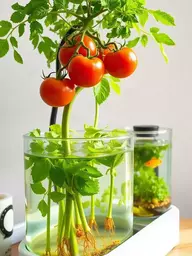 Imagine harvesting juicy, flavorful tomatoes while actively contributing to sustainable agriculture.
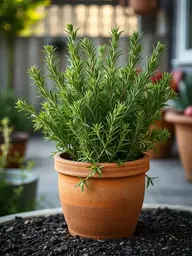 What if I told you that the secret to growing robust rosemary lies in the soil beneath your feet? Un
 Have you ever wondered how innovative techniques in gardening can reshape our food production? Hydro
 As you prepare to embark on your journey of growing garlic, consider this: garlic cultivation isn't