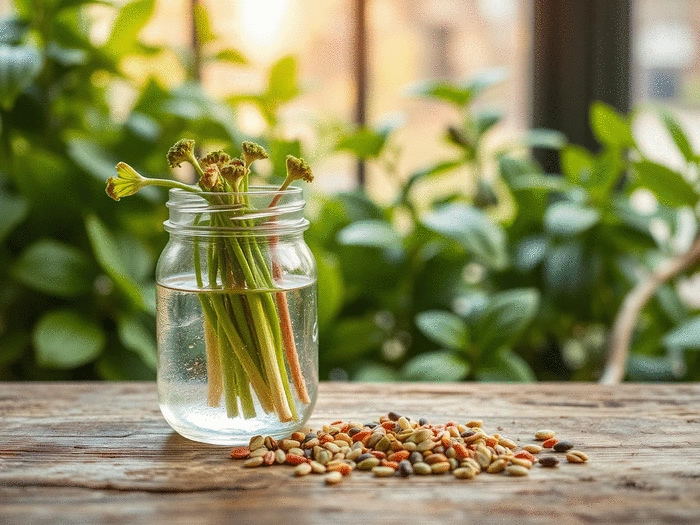
What is Plant Propagation?
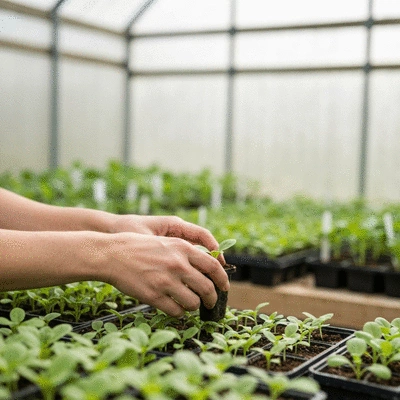
The process of creating new plants from existing ones. Essential for expanding collections, saving money, and preserving species.
Join Clara M. Greene's community for expert tips and seasonal guides tailored for American gardeners.
Posted on: 2026-04-06
By: Clara M. Greene
Have you ever marveled at the myriad ways nature cultivates life? Plant propagation, a remarkable process of creating new plants, holds the key to expanding your garden and deepening your connection with the natural world. Let's delve into the essential insights you can gain from mastering this vital gardening skill.
Understanding the different ways to propagate plants can significantly enhance your gardening success. There are various techniques, such as taking cuttings, layering, and division, each suited for different plant types and desired outcomes. Below is a summary of key techniques and their primary characteristics.
The process of creating new plants from existing ones. Essential for expanding collections, saving money, and preserving species.
Breeding plants to produce offspring with varied traits. Encourages resilience and adaptability.
Creating exact genetic copies of a parent plant. Preserves specific traits and qualities.
Welcome to the world of plant propagation! If you’ve ever admired a friend’s lush garden and wondered how they got their thriving plants, you’re in the right place. Plant propagation is the process of creating new plants from various sources, and it’s a fundamental skill for any gardener. Let’s explore the basics and understand why mastering this technique can be a game-changer for your garden!
At its core, plant propagation is about reproducing plants, either asexually or sexually. It allows gardeners to expand their collections, save money, and even conserve rare plant species. For many home gardeners, including myself, it’s a way to ensure that our favorite plants continue to thrive and multiply over time.
Moreover, engaging in propagation can also deepen your connection to nature. As you nurture new plants, you’ll gain insights into their growth habits, leading to a more fulfilling gardening experience. Isn’t that what we all want? More joy and beauty in our gardens!
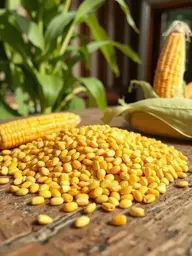
When we talk about propagation, there are two main strategies: genetic diversity and cloning. Genetic diversity involves breeding plants to produce offspring with varied traits, while cloning means creating exact copies of a parent plant. Both methods have their merits, and understanding them can help you decide which one aligns better with your gardening goals. To achieve genetic diversity, selecting the right gardening seeds is crucial.
As a gardener, I often choose to mix these methods. By doing so, I create a vibrant garden that not only showcases my favorite plants but also thrives in the face of challenges like pests or diseases.
Tissue culture is a fascinating and advanced technique that plays a pivotal role in modern plant propagation. It involves growing plants from cells or tissues under sterile conditions, usually in a lab setting. This method allows for the mass production of disease-free plants and can significantly enhance the efficiency of propagation.
While it may not be the typical method for home gardeners, understanding the science behind tissue culture can inspire new ideas for how we approach plant propagation. And who knows? Maybe one day, you’ll want to try it out in your garden adventure!
As you consider your plant propagation journey, we’d love to know: What method are you most excited to try? Share your thoughts below:
As we wrap up our exploration of plant propagation, it's essential to reflect on the various techniques we've covered. Whether you found joy in mastering asexual methods like cuttings and grafting, or are excited to dive into sexual propagation with seeds, each technique offers unique benefits for your garden. Remember, the right method can enhance plant health and yield, giving you a flourishing garden to enjoy!
Let’s break down the core techniques of propagation we discussed:
These techniques cater to different gardening goals, so don't hesitate to try out several methods to see what works best for you. Every gardener has their own journey, and there’s plenty to learn along the way!
Starting your plant propagation journey can be thrilling, but it’s easy to stumble if you’re not careful. Here are some tips to keep you on the right path:
By following these tips, you can set yourself up for a successful propagation experience. Remember, we at All American Gardeners are here to support you with resources tailored to your gardening journey!
As you embark on your propagation journey, questions are bound to arise. Here’s a quick FAQ to address some common concerns:
One of my favorite aspects of gardening is the chance to embrace sustainability! Use organic methods whenever possible and consider composting your plant scraps. This creates a closed-loop system that benefits your garden and the environment. Learning more about simple steps for home composting can greatly enhance your sustainable gardening efforts.
Additionally, look into native plants that thrive in your area. They require fewer resources and support local wildlife, making your garden a vibrant part of the ecosystem.
Are you ready to dive into the world of plant propagation? With all this knowledge at your fingertips, it’s time to put your skills into action! Whether you’re taking cuttings from your favorite plants or starting a seed collection, remember that every gardener starts somewhere.
Join our growing community at All American Gardeners, where we share tips, success stories, and guidance tailored to American home gardeners. Let’s cultivate our gardens together—happy propagating!
Here is a quick recap of the important points discussed in the article: