Cultivate Your Best Garden!

Join Clara M. Greene's community for expert tips and seasonal guides tailored for American gardeners.

Eco-Friendly Lawn Fertilizer Options


Eco-Friendly Lawn Fertilizer Options

Posted on: 2026-05-26
By: Clara M. Greene


When it comes to nourishing your lawn, the switch to organic fertilizers might be the most significant step you can take. These natural fertilizers are not just a trend; they are a commitment to improving both your garden and the environment. Let’s explore the essential insights that will help you on your journey to a greener, healthier lawn.

What You Will Learn

  • Organic fertilizers are derived from natural sources, enhancing soil health and supporting beneficial microbial life.
  • Choosing the right organic fertilizer can reduce chemical runoff and promote a safer environment for families and wildlife.
  • Key ingredients like compost, bone meal, and fish emulsion play vital roles in providing essential nutrients to your lawn.
  • Implementing regular soil tests and understanding your lawn’s specific needs will guide you in selecting the most effective organic fertilizers.
  • Sustainable practices, such as reducing water usage and composting, can contribute to a more eco-friendly garden.

Benefits & Components of Organic Fertilizers

Discover how organic fertilizers improve soil health, offer environmental advantages, and the key ingredients that make them effective for your lawn.

Soil Health Enhancement

  • Improves soil structure & aeration
  • Enhances water retention & drainage
  • Encourages diverse microbial ecosystem

Environmental & Safety Advantages

  • Supports local ecosystems
  • Reduces chemical runoff pollution
  • Safer for pets & children

Key Organic Components

  • Compost: Rich in nutrients & microbes
  • Bone meal: High in phosphorus for roots
  • Fish emulsion: Nitrogen & trace minerals
  • Seaweed extracts: Micronutrients & stimulants

Role of Microbial Allies

  • Boost nutrient uptake (Mycorrhizae)
  • Improve soil structure (Beneficial microbes)
  • Increase disease resistance

Understanding Organic Fertilizers and Their Benefits for Lawns

Welcome to the wonderful world of organic fertilizers! If you're looking to improve your lawn's health while being kind to the environment, you've come to the right place. Organic fertilizers not only nourish your grass but also promote a sustainable approach to gardening. Let’s delve into what these fertilizers are and how they can transform your lawn into a lush green oasis!

What Are Organic Fertilizers?

Organic fertilizers are derived from natural sources, providing essential nutrients to your lawn without the harsh chemicals found in synthetic options. They can be made from plant materials, animal by-products, or mineral sources. The beauty of using organic fertilizers lies in their ability to improve soil fertility while fostering a healthy ecosystem beneath the surface. For more details on fostering healthy soil, explore our guide on healthy soil for thriving gardens.

  • Natural plant-based fertilizers
  • Animal-derived products like manure
  • Minerals that enhance nutrient availability

By choosing organic fertilizers, you are not only feeding your grass but also promoting a healthier soil structure, which is crucial for long-term growth and sustainability. So why not embrace a greener choice that benefits both your lawn and the environment?

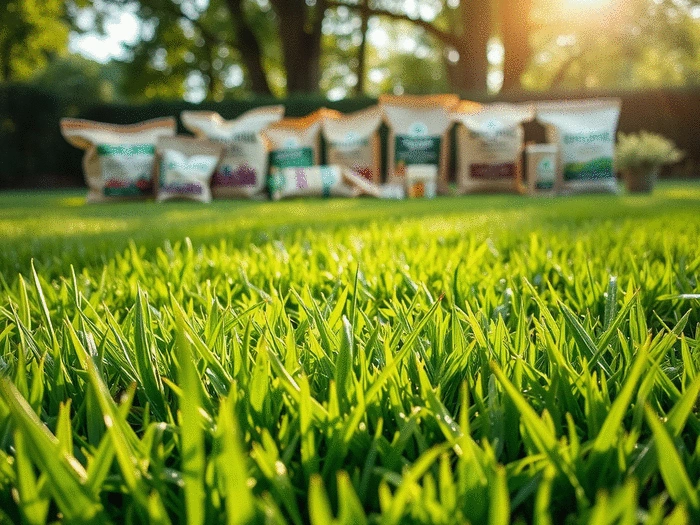
Organic fertilizer granules being spread on a lush green lawn

How Organic Fertilizers Enhance Soil Health

One of the standout benefits of organic fertilizers is their ability to improve soil health. Unlike synthetic fertilizers, which can deplete soil quality over time, organic options enrich the soil with beneficial microorganisms. These tiny allies help break down organic matter, releasing nutrients gradually and ensuring your lawn gets a consistent supply of nourishment.

  • Improves soil structure and aeration
  • Enhances water retention and drainage
  • Encourages a diverse microbial ecosystem

As a passionate gardener, I've seen firsthand how organic fertilizers can make a difference. My lawn has become a thriving habitat for birds and beneficial insects, all thanks to the nurturing effects of organic practices!

Environmental and Safety Advantages of Using Organic Fertilizers

Using organic fertilizers is a win-win for both your lawn and the planet. They significantly reduce the risk of chemical runoff, which can harm local water sources and wildlife. Additionally, they contribute to a healthier environment by improving biodiversity in your garden. If you're looking for other ways to maintain a healthy lawn, consider these natural weed control options for lawns.

  • Supports local ecosystems
  • Reduces pollution from chemical fertilizers
  • Safer for pets and children playing on the grass

When I fertilize my lawn, I feel good knowing that I’m making a choice that’s safe for my family and the planet! It’s about creating spaces where we can enjoy nature responsibly.

Key Components of Organic Fertilizers: A Breakdown of Essential Ingredients

Understanding the key components of organic fertilizers can help you make informed choices for your lawn. Here’s a breakdown of some essential ingredients you might find:

  • Compost: A rich source of nutrients and beneficial microbes.
  • Bone meal: High in phosphorus, great for root development.
  • Fish emulsion: Provides nitrogen and trace minerals.
  • Seaweed extracts: Packed with micronutrients and growth stimulants.

Integrating these components into your lawn care routine can elevate your gardening game. Remember, the goal is not just to grow grass, but to create a vibrant ecosystem that thrives sustainably!

Engage with Us!

As you embark on your journey with organic fertilizers, we want to hear from you! What challenges or successes have you experienced in your lawn care? Share your thoughts and stories with us below:

Summarizing the Impact of Organic Fertilizers on Eco-Friendly Lawn Care

As we dive into the world of organic fertilizers, it's clear they play a crucial role in promoting healthy, vibrant lawns. Choosing the right organic fertilizer not only supports your lawn's growth but also contributes to a healthier ecosystem. Let's summarize the key takeaways that will help you make informed choices for eco-friendly lawn care!

  • Organic fertilizers improve soil structure and enhance microbial activity.
  • They release nutrients more slowly, reducing the risk of runoff.
  • Using organic options promotes sustainable practices that benefit the environment.

By selecting organic fertilizers, you're not just nourishing your lawn; you're investing in a greener future. At All American Gardeners, we believe in empowering our readers to make choices that are good for their gardens and the planet!

Key Takeaways on Selecting and Using Organic Fertilizers

When it comes to selecting organic fertilizers, there are a few essential factors to consider. Start by understanding your lawn's specific needs! Here are some key points to keep in mind:

  • **Know Your Soil:** Conduct a soil test to determine nutrient deficiencies.
  • **Choose the Right Type:** Match the fertilizer's NPK ratio to your lawn's growth stage.
  • **Consider the Application Method:** Decide between granular or liquid fertilizers based on your preference.
  • **Frequency is Key:** Regular application can lead to optimal results, so keep a schedule!

These tips will not only help your lawn thrive but also ensure you're practicing environmentally friendly gardening.

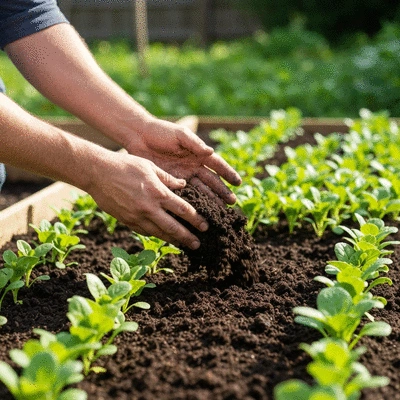
Hand spreading organic compost on a garden bed

Encouraging Sustainable Lawn Practices for a Greener Future

As home gardeners, we have a unique opportunity to influence the environment positively. By adopting sustainable lawn practices, we can make a significant difference! Here are some actions you can take:

  • **Reduce Water Usage:** Use drought-resistant plants and efficient irrigation techniques.
  • **Compost Organic Waste:** Turn kitchen scraps and yard waste into nutrient-rich compost.
  • **Create a Biodiverse Lawn:** Incorporate native plants and avoid chemical pesticides.
  • **Educate Your Neighbors:** Share your knowledge about organic gardening techniques!

Each small effort contributes to a larger impact, leading us all to a greener future. Remember, every garden tells a story, and your lawn can be a part of the positive change!

The Role of Microbial Inoculants and Mycorrhizae in Soil Health

Another significant aspect of using organic fertilizers is their connection to soil health. Microbial inoculants and mycorrhizae are essential allies in this journey. Here’s how they contribute to the health of your lawn:

  • Boost Nutrient Uptake: Mycorrhizae enhance plant roots' ability to absorb nutrients and water.
  • Improve Soil Structure: Beneficial microbes help break down organic matter, improving soil aeration.
  • Increase Disease Resistance: Healthy microbial populations can help protect your lawn from pathogens.

Integrating these elements into your gardening routine will not only benefit your lawn's health but also support the ecosystem. At All American Gardeners, we’re passionate about sharing these sustainable practices to help you grow thriving gardens! For more insights into organic pest management, check out these effective natural pest control tips.

Next Steps for Your Lawn Care Journey

Start Your Lawn’s Transformation with Organic Solutions

Now that you're equipped with knowledge about organic fertilizers, it's time to take action! Transform your lawn by incorporating eco-friendly practices. Begin with a soil test and select the right organic fertilizers that fit your lawn's needs—this is your first step towards a lush, healthy yard.

Join a Community of Eco-Friendly Lawn Enthusiasts

Gardening is always more enjoyable when you share the journey with others! Connect with fellow eco-friendly lawn enthusiasts through community forums and local gardening clubs. Engaging with others can provide support, new ideas, and inspiration as you continue your gardening adventure. At All American Gardeners, we encourage you to become a part of our growing community where we share tips, experiences, and celebrate our love for sustainable gardening!

Frequently Asked Questions (FAQs)

What are organic fertilizers?
Organic fertilizers are natural substances derived from plants, animals, or minerals that provide essential nutrients to your lawn, improving soil health without harsh chemicals.
How do organic fertilizers benefit soil health?
They enhance soil structure, aeration, and water retention, while also fostering a diverse microbial ecosystem that gradually releases nutrients to your lawn.
Are organic fertilizers safer for pets and children?
Yes, organic fertilizers significantly reduce the risk of chemical runoff and are safer for human and animal contact compared to synthetic options.
What are common ingredients in organic fertilizers?
Key components include compost (for nutrients and microbes), bone meal (for phosphorus), fish emulsion (for nitrogen and trace minerals), and seaweed extracts (for micronutrients and stimulants).
Why are microbial inoculants and mycorrhizae important for lawn health?
These beneficial microorganisms boost nutrient uptake by plant roots, improve soil structure, and increase the lawn's resistance to diseases.
How can I choose the right organic fertilizer for my lawn?
Start with a soil test to identify nutrient deficiencies, then choose a fertilizer with an NPK ratio that matches your lawn's needs, and select an application method (granular or liquid) that suits your preference.

Recap of Key Points

Here is a quick recap of the important points discussed in the article:

  • Organic fertilizers provide essential nutrients from natural sources, improving soil health and structure.
  • They enhance microbial activity, promoting a diverse ecosystem that benefits long-term lawn growth.
  • Using organic options reduces chemical runoff, creating a safer environment for local wildlife and families.
  • Key components include compost, bone meal, fish emulsion, and seaweed extracts that enrich soil quality.
  • Understanding your soil’s needs and selecting the right NPK ratio is crucial for effective lawn care.
  • Adopting sustainable practices, such as composting and reducing water usage, contributes to a greener future.

Subscribe & Share
Growing Lemon Thyme at Home Growing Lemon Thyme at Home Have you ever considered how a single herb can transform your culinary experiences and beautify your
Understanding Hydroponic Tower Gardening Understanding Hydroponic Tower Gardening Have you ever considered how a simple structure could transform your gardening experience? Hydroponi
Heirloom Seeds for Your Garden Heirloom Seeds for Your Garden What if your garden could tell a story? Heirloom seeds not only flourish under the sun but also carr
Eco-Friendly Lawn Fertilizer Options Eco-Friendly Lawn Fertilizer Options When it comes to nourishing your lawn, the switch to organic fertilizers might be the most significa
Mulch for Healthy Plants Mulch for Healthy Plants Did you know that mulching not only enhances the beauty of your garden but also plays a pivotal role
Easy Perennials for Your Zone Easy Perennials for Your Zone Have you ever considered how the right plants can transform your garden into a lush paradise? Unders
Banner
All American Gardeners

Your premier online resource for mastering home gardening across the U.S. We empower American home gardeners with expert tips, step-by-step guides, and sustainable practices for thriving outdoor spaces.

Trusted by gardeners nationwide, our mission is to provide reliable, easy-to-follow insights backed by Clara M. Greene's extensive horticulture experience and practical advice.

Cultivate Your Garden
Recent Posts
Growing Lemon Thyme at Home Growing Lemon Thyme at Home

Have you ever considered how a single herb can tra

Understanding Hydroponic Tower Gardening Understanding Hydroponic Tower Gardening

Have you ever considered how a simple structure co

Heirloom Seeds for Your Garden Heirloom Seeds for Your Garden

What if your garden could tell a story? Heirloom s

Gardening Wisdom from All American Gardeners