Water Usage: Up to 90% less water than traditional farming.
Exploring Hydroponic Greenhouse Benefits
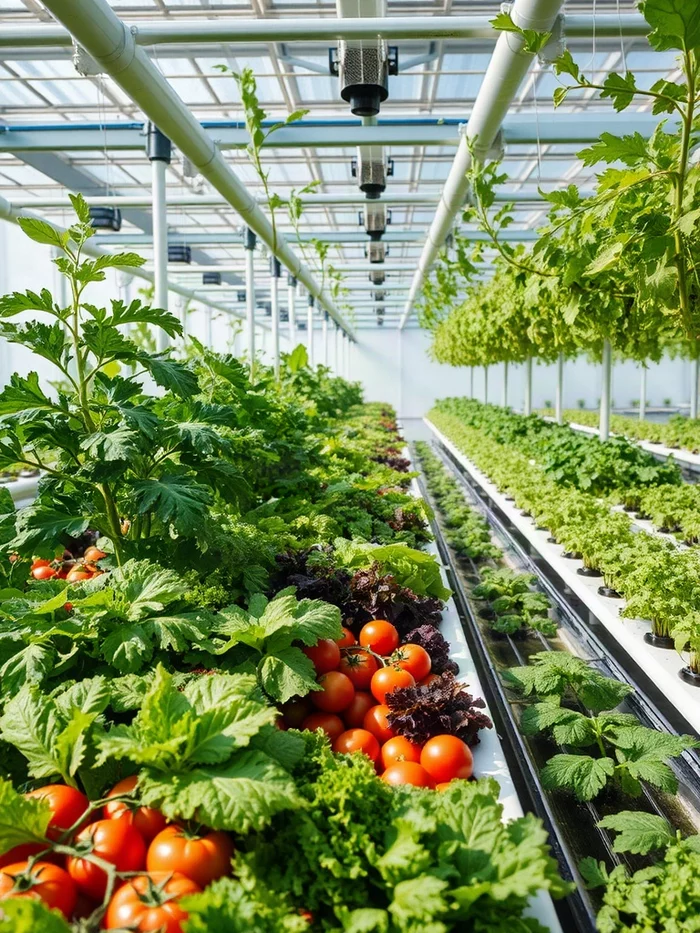
Posted on: 2026-08-23
By: Clara M. Greene
Have you ever wondered how innovative techniques in gardening can reshape our food production? Hydroponic greenhouses are revolutionizing the way we cultivate crops, offering sustainable solutions that thrive in any environment.
What You Will Learn
- Hydroponic greenhouses allow for year-round cultivation, independent of weather conditions.
- These systems significantly reduce water usage, utilizing up to 90% less water than traditional farming methods.
- Key components of hydroponic systems include growing mediums, nutrient solutions, and effective lighting systems.
- Implementing sustainable practices in hydroponic gardening benefits both the environment and food production efficiency.
- Common challenges include pest management and water quality, which can be managed with proper monitoring and maintenance strategies.
Hydroponic Greenhouse Sustainability & Challenges
Hydroponic greenhouses offer significant environmental benefits, particularly in water conservation, and present common challenges that can be effectively managed with proper techniques. For those just starting, understanding these foundational principles is essential for starting hydroponics as a beginner.
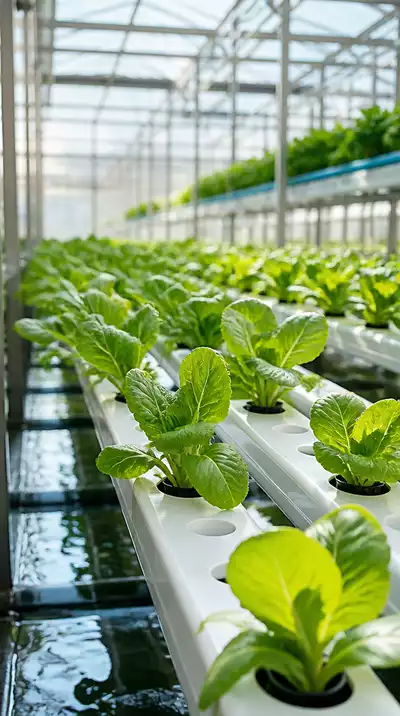
Benefits of Hydroponic Sustainability
Land Requirement: Minimal, ideal for urban gardening.
Pesticides: Less reliance on chemical pesticides and fertilizers.
Production: Enables year-round fresh produce.
Common Hydroponic Challenges & Solutions
Pests & Diseases: Regular monitoring, biological controls, sanitation.
Setup Mistakes: System compatibility, starting simple, proper lighting.
Water Mgmt: Recirculation, pH/EC testing, consistent scheduling.
Maintenance: Regular routine checks are crucial for smooth operation.
Understanding Hydroponic Greenhouses: A Comprehensive Overview
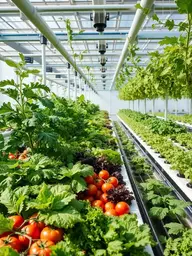
Have you ever thought about how hydroponic greenhouses can transform the way we grow food? Hydroponic greenhouses are innovative spaces that allow us to cultivate plants without soil, using nutrient-rich water instead. This method is becoming increasingly important as we face challenges like climate change and food security. With hydroponics, we can maximize space and resources while still producing fresh, healthy crops year-round!
Not only do hydroponic greenhouses provide a controlled environment for growing plants, but they also offer numerous benefits, such as higher yields and faster growth rates. At All American Gardeners, we believe that understanding the fundamentals of hydroponic systems is crucial for anyone looking to embark on a gardening adventure.
Defining Hydroponic Greenhouses and Their Importance
So, what exactly is a hydroponic greenhouse? Simply put, it is a structure designed to grow plants using hydroponic methods, which means relying on water mixed with nutrients rather than soil. This technique is particularly significant because it enables gardeners to grow a diverse range of crops in a more sustainable manner. Hydroponics can be a game-changer for urban gardeners who may not have access to traditional soil-based gardening opportunities! You can learn more about understanding hydroponic systems today.
- Allows for year-round growing regardless of weather conditions.
- Reduces the risk of soil-borne pests and diseases.
- Utilizes less water compared to conventional farming methods.
- Maximizes space, making it ideal for small urban environments.
By harnessing the power of hydroponic technology, we can create more resilient and productive gardening systems!
Key Components of Hydroponic Greenhouse Systems
Each hydroponic greenhouse is made up of several key components that work together to create an optimal growing environment. Understanding these elements is essential for achieving success in your gardening journey. Here are the primary components you’ll need:
- Growing Medium: While soil is not used, alternative media such as rock wool, clay pellets, or coconut coir provide support for plant roots.
- Nutrient Solution: A carefully balanced mix of water and nutrients that feeds the plants directly.
- Lighting: Grow lights are crucial for photosynthesis, especially in indoor setups where natural sunlight may be limited.
- Water Management System: This includes pumps and irrigation systems to ensure that plants receive the right amount of water and nutrients.
Each of these components contributes to the overall success of a hydroponic greenhouse, making it vital to choose the right ones for your specific goals.
The Role of Grow Lights in Hydroponic Greenhouses
When it comes to hydroponic gardening, grow lights play a pivotal role in supporting plant growth. Since many hydroponic systems are set up indoors or in controlled environments, natural light may not be sufficient. That’s where artificial lighting comes in! Grow lights can mimic the sun’s rays, providing essential wavelengths of light that plants need for photosynthesis.
- Types of Grow Lights:
- LED lights: Energy-efficient and long-lasting, ideal for small spaces.
- Fluorescent lights: Affordable and suitable for seedlings or young plants.
- High-Intensity Discharge (HID) lights: Powerful lights for larger growing areas but consume more energy.
- Light Duration: Most plants need around 12 to 16 hours of light per day to thrive!
Investing in quality grow lights can significantly enhance your hydroponic greenhouse’s productivity and, ultimately, your gardening success!
Benefits of Sustainability in Hydroponic Greenhouse Practices
One of the most compelling reasons to explore hydroponic greenhouses is their potential for sustainability. These systems are designed to use resources efficiently, which is vital in today’s world. By adopting hydroponic practices, we can enjoy several benefits:
- Reduced water usage: Hydroponics can utilize up to 90% less water than traditional farming.
- Minimal land requirement: Perfect for urban gardening, allowing for food production in smaller spaces.
- Less reliance on chemical pesticides and fertilizers: Many hydroponic systems emphasize organic and natural solutions.
- Year-round production: Grow fresh produce regardless of the season!
Incorporating sustainable practices in hydroponic greenhouse operations not only benefits your garden but also contributes positively to the environment.
Pro Tip
Did you know? Regularly monitoring the pH and electrical conductivity (EC) of your nutrient solution can significantly impact your hydroponic success. Aim for a pH level between 5.5 and 6.5 for optimal nutrient uptake, and keep your EC levels in check to ensure your plants receive the right balance of nutrients!
Common Challenges and Solutions in Hydroponic Greenhouse Cultivation
As you embark on your hydroponic journey, it’s vital to be aware of the common challenges that can arise in greenhouse cultivation. Understanding these hurdles will not only prepare you but also enhance your success rate! Let’s dive into some of the key issues and the effective strategies to overcome them.
Pest and Disease Management Strategies
Pests and diseases can threaten your hydroponic crops, just as they do in traditional gardening. But fear not! With the right management strategies, you can keep your plants healthy and thriving. For comprehensive guidance on managing pests, especially with organic methods, check out our article on effective natural pest control tips.
- Regular Monitoring: Regularly check your plants for signs of pests or disease. Early detection is crucial!
- Biological Controls: Introduce beneficial insects, like ladybugs, to combat common pests naturally.
- Sanitation Practices: Keep your greenhouse clean and remove any debris that could harbor pests.
- Integrated Pest Management (IPM): Utilize a combination of biological, physical, and chemical control methods to manage pest populations effectively.
By implementing these strategies, you’ll create a more resilient garden, ensuring your crops remain productive and healthy.
Common Mistakes to Avoid When Setting Up Your Greenhouse
Setting up a hydroponic greenhouse can be exciting, but it’s easy to make mistakes along the way. Here are some common pitfalls to watch out for:
- Ignoring System Compatibility: Ensure that all your components work well together—your nutrient solutions, equipment, and plants should be in sync!
- Overcomplicating the Setup: Start simple! A straightforward setup can be easier to manage and expand as you gain experience.
- Neglecting Light Requirements: Ensure your plants receive the right amount of light for their specific growth stages.
- Underestimating Maintenance: Regular upkeep is key. Schedule routine checks to keep everything running smoothly.
Avoid these mistakes, and you’ll set yourself up for a successful hydroponic adventure that aligns with your gardening goals!
Water Management Techniques for Hydroponic Success
Water is life in the world of hydroponics! Proper water management is essential to ensure your plants receive the nutrients they need while preventing problems like root rot. Here are some techniques to consider:
- Recirculation Systems: Use systems that recycle nutrient solutions, reducing waste and ensuring optimal nutrient absorption.
- Water Quality Testing: Regularly check your water's pH and electrical conductivity (EC) to maintain the right balance for your crops.
- Runoff Collection: Collect and reintroduce runoff water to minimize waste and conserve resources.
- Watering Schedule: Establish a consistent watering schedule based on your plants' specific needs and growth stages.
By managing water effectively, you’ll not only ensure your plants thrive but also foster a more sustainable gardening practice. After all, that’s what we advocate for at All American Gardeners—a greener, more efficient approach to home gardening!
Frequently Asked Questions About Hydroponic Greenhouses
- What is a hydroponic greenhouse?
- A hydroponic greenhouse is a controlled environment structure where plants are grown without soil, using nutrient-rich water solutions instead.
- What are the main benefits of hydroponic greenhouses?
- Key benefits include year-round cultivation, significantly reduced water usage (up to 90% less than traditional farming), minimal land requirements, and less reliance on chemical pesticides and fertilizers.
- What are the essential components of a hydroponic system?
- The primary components are a growing medium (e.g., rock wool, clay pellets), a nutrient solution, adequate lighting (often grow lights), and a water management system (pumps, irrigation).
- How do grow lights contribute to hydroponic success?
- Grow lights provide essential light wavelengths for photosynthesis, mimicking natural sunlight, which is crucial for plants in indoor or controlled hydroponic setups where natural light may be insufficient.
- What are common challenges in hydroponic greenhouse cultivation?
- Common challenges include managing pests and diseases, avoiding setup mistakes (like ignoring system compatibility or underestimating maintenance), and ensuring proper water management (pH, EC, recirculation).
Recap of Key Points
Here is a quick recap of the important points discussed in the article:
- Hydroponic greenhouses allow for year-round growing, maximizing space, and reducing water usage.
- Key components include growing mediums, nutrient solutions, lighting, and water management systems.
- Effective pest and disease management strategies are crucial for maintaining healthy crops.
- Common mistakes to avoid include neglecting system compatibility and overcomplicating setups.
- Sustainable practices in hydroponics contribute positively to the environment, emphasizing reduced water usage and minimal reliance on chemicals.
For more insights into sustainable practices that can be applied to various gardening methods, consider our article on simple tips for sustainable farming.
2026-08-28
Growing Herbs with Hydroponics
 Why settle for store-bought herbs when you can grow your own at home, in any space? Hydroponic garde
2026-08-27
Growing Sweet Corn from Seeds
 Ready to transform your gardening experience? Selecting the right sweet corn seeds can make all the
2026-08-27
Growing Aquaponic Tomatoes at Home
 Imagine harvesting juicy, flavorful tomatoes while actively contributing to sustainable agriculture.
2026-08-25
Soil Choices for Healthy Rosemary
 What if I told you that the secret to growing robust rosemary lies in the soil beneath your feet? Un
2026-08-23
Exploring Hydroponic Greenhouse Benefits
 Have you ever wondered how innovative techniques in gardening can reshape our food production? Hydro
2026-08-22
Growing Your Own Garlic Bulbs
 As you prepare to embark on your journey of growing garlic, consider this: garlic cultivation isn't