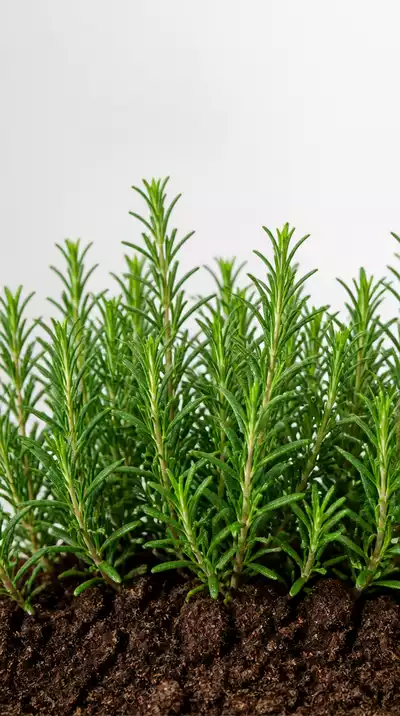
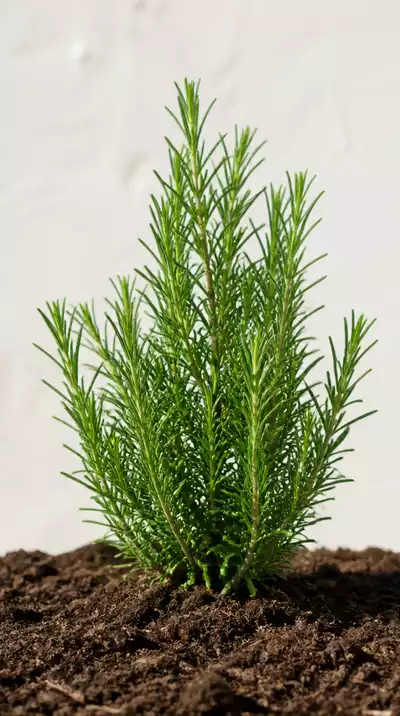
Primary FactorWell-Draining Soil: Essential for Root Health
✓
Prevents root rot by allowing excess water to escape, mimicking native Mediterranean conditions.
Join Clara M. Greene's community for expert tips and seasonal guides tailored for American gardeners.
Posted on: 2026-08-25
By: Clara M. Greene
What if I told you that the secret to growing robust rosemary lies in the soil beneath your feet? Understanding the right conditions can transform your gardening experience, ensuring your rosemary flourishes like never before.
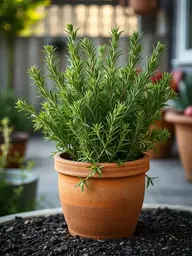
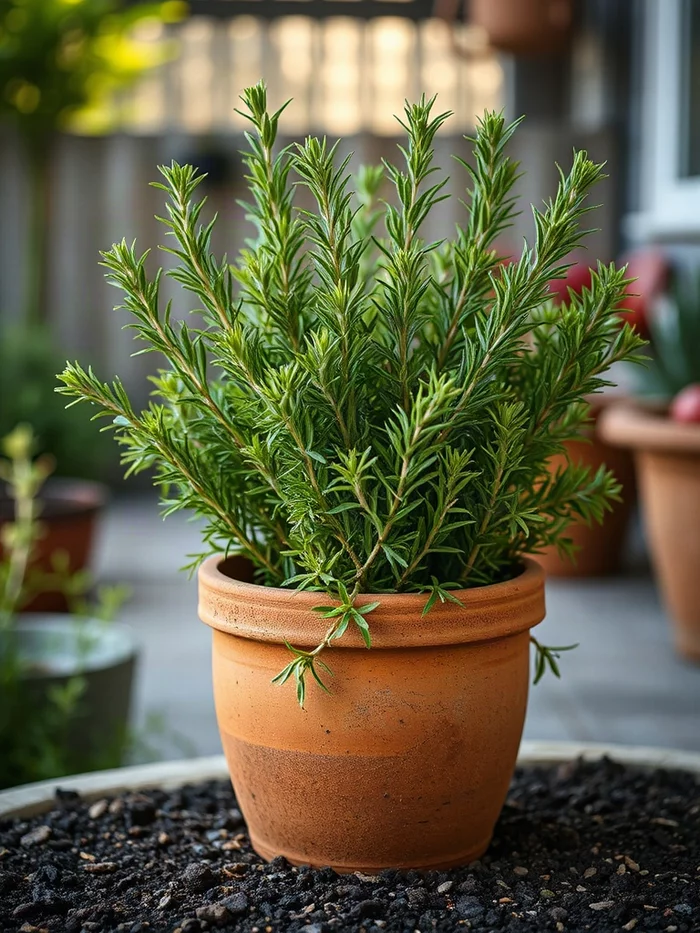
Understanding the ideal soil composition and conditions is crucial for cultivating healthy and aromatic rosemary plants. This visual outlines the key factors for successful growth. To learn more about nurturing your plants, check out our plant care tips for home gardeners.
Prevents root rot by allowing excess water to escape, mimicking native Mediterranean conditions.
Improves soil structure, enhances drainage, and boosts nutrient levels for robust growth.
Maintain pH between 6.0-7.0 for optimal nutrient uptake and plant vigor.
Growing rosemary can be a rewarding experience, especially when you understand the ideal conditions it requires. This aromatic herb thrives in specific soil types that support its growth and flavor. Let’s dive into what makes rosemary tick, starting with the soil it loves!
Rosemary prefers a well-draining soil that is gritty and sandy loam. This type of soil allows roots to access air and moisture without becoming waterlogged. A mix that combines these characteristics will help your rosemary plants flourish.
By ensuring your soil contains these components, you can create an environment that supports robust rosemary growth. Remember, a happy plant is a healthy plant!
Proper drainage is vital for rosemary. Soggy soil can lead to root rot, a common issue that can devastate your plants. Rosemary is native to the Mediterranean region, where the soil is well-drained and dry—this is key for its health. For more insights on maintaining healthy soil, explore our guide on healthy soil for thriving gardens.
If you notice your rosemary leaves turning yellow, this could be a sign of overwatering. Always check that your soil has adequate drainage to keep your plants thriving.
Incorporating organic matter, such as compost and mulch, is a game-changer for rosemary. These materials not only improve soil structure but also enhance nutrient levels, which is essential for healthy plant growth. Organic matter acts like a sponge, helping to retain moisture while also allowing for good air circulation.
When you add organic matter to your soil, you're not just feeding your plants; you're creating a lively ecosystem that can lead to a more productive garden. Trust me, your rosemary will thank you!
Understanding the essential soil components is critical for growing rosemary successfully. Let’s break down the factors that contribute to the best growing conditions for this delightful herb.
Maintaining a slightly acidic to neutral pH (6.0–7.0) is crucial for optimal rosemary health. If the soil is too acidic or alkaline, it can affect nutrient availability and overall plant vigor. Regularly testing your soil’s pH can help ensure it remains in the ideal range.
By keeping an eye on your soil's pH, you can provide your rosemary plants with the best possible growing conditions.
When it comes to potting soil for rosemary, a well-balanced mix is essential. Here are a few recipes to get your garden started:
These recipes ensure that your rosemary has the right balance of moisture retention and drainage. Experiment with different ratios to find what works best for your local conditions! You might also find our guide to growing your own herb garden helpful.
It’s important to differentiate between soil requirements for container gardening and traditional garden planting. For container mixes, you often want a lighter mix that allows for excellent drainage, whereas garden soil can be richer and heavier. Here’s what I recommend:
Choosing the right mix based on your growing method will lead to healthier and more productive rosemary plants!
Rosemary is not just a flavorful culinary herb; it also has a rich history of medicinal uses. In ancient times, it was believed to improve memory and concentration, often referred to as the "herb of remembrance." So, not only does it enhance your dishes, but it could also help keep your mind sharp!
A: Rosemary thrives in well-draining, gritty, and sandy loam soil with a slightly acidic to neutral pH (6.0–7.0).
A: Proper drainage is crucial to prevent root rot, which can occur if the roots sit in water. It mimics rosemary's native Mediterranean environment.
A: Organic matter like compost or mulch improves soil structure, enhances drainage and aeration, boosts nutrient levels, and supports beneficial microbial life.
A: Rosemary prefers a soil pH between 6.0 and 7.0 (slightly acidic to neutral) for optimal nutrient uptake and plant vigor.
A: While regular potting soil can be a base, it's best to amend it with perlite, coarse sand, or cactus mix to ensure superior drainage, which is vital for rosemary in containers.
To grow healthy and aromatic rosemary, there are several essential factors to keep in mind. First, ensure you're using a well-draining soil mix that can prevent water from accumulating around the roots. This is crucial for avoiding root rot. Second, incorporating organic matter like compost or mulch can significantly improve your soil structure and nutrient levels. Lastly, maintaining a slightly acidic to neutral pH (between 6.0 and 7.0) is vital for optimal rosemary health. These elements will help create the perfect environment for your rosemary plants to thrive!
By focusing on these key soil considerations, you'll set the stage for a flourishing rosemary garden! Remember, as I always say at All American Gardeners, the right foundation is everything when it comes to nurturing your plants.
Now that you have a solid understanding of the essential soil components for rosemary, I encourage you to take a moment to assess your current soil conditions. Are you using the right mix? Do you need to make adjustments based on the factors we've discussed? Taking these steps will help you cultivate healthier, more productive rosemary plants! For a complete understanding of how to grow this wonderful herb, check out our easy tips for growing rosemary.
Also, I’d love to hear about your rosemary growing journey! Please share your experiences or any questions in the comments below. Engaging with the community can provide valuable insights and tips that can benefit us all as we dig into the world of gardening together!
Here is a quick recap of the important points discussed in the article: