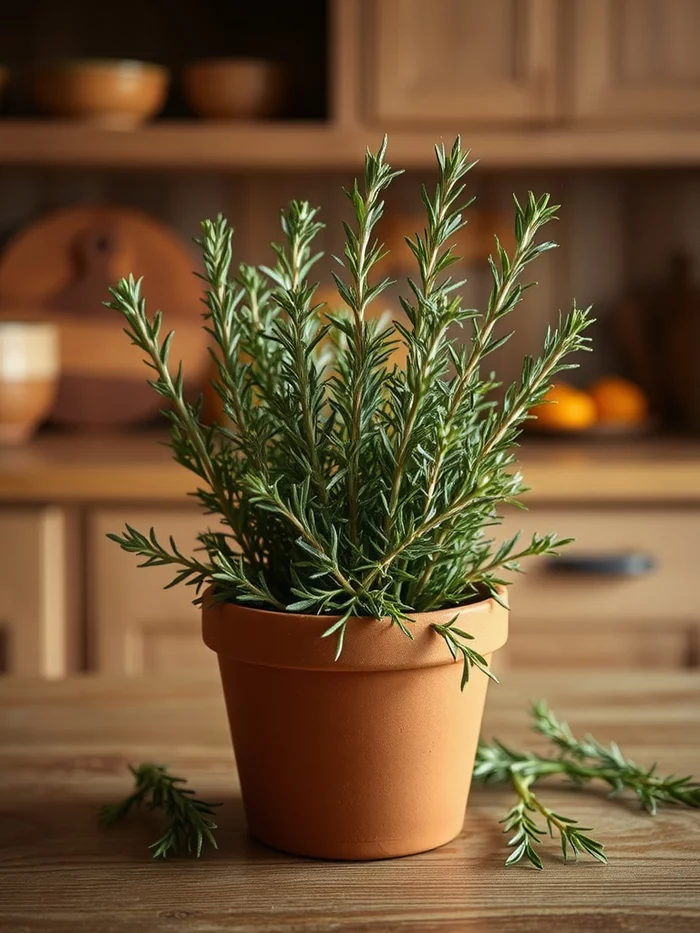
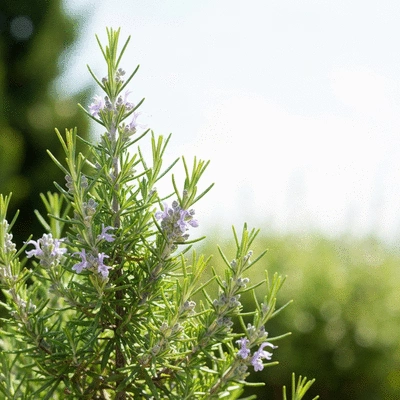
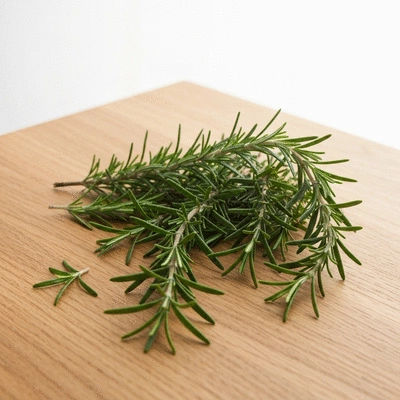
What if I told you that growing rosemary could not only enhance your culinary experiences but also provide health benefits? This robust herb is more than just a pretty addition to your garden; it’s a versatile powerhouse waiting to be cultivated. Let’s dive into the essential insights about growing rosemary!
What You Will Learn
Rosemary is a low-maintenance herb that thrives in various conditions, making it suitable for both new and experienced gardeners.
Understanding the differences between upright and trailing rosemary can help you select the right variety for your garden layout.
Optimal growth requires well-drained soil, full sun exposure (6 to 8 hours daily), and a Mediterranean-like climate.
Proper watering techniques and minimal organic fertilization are key to maintaining healthy rosemary plants and avoiding root rot.
Knowing the best harvesting times can enhance the flavor and freshness of your rosemary, allowing for better culinary use.
Key Aspects of Growing Rosemary
Understanding the optimal conditions and varieties for a thriving rosemary plant.
Optimal Growing Conditions
Soil: Well-drained, pH 6.0-7.0 (slightly acidic to neutral)
Sunlight: 6-8 hours of direct sunlight daily (Full sun)
Ensuring these conditions prevents root rot and promotes vigorous growth.
Rosemary Varieties & Use
Upright Varieties (e.g., 'Tuscan Blue')
**Growth:** Up to 3 feet tall, dense foliage
**Use:** Hedges, border plantings, culinary
Trailing Varieties (e.g., 'Prostratus')
**Growth:** Sprawling habit, cascades
**Use:** Pots, hanging baskets, over walls
Understanding the Basics of Growing Rosemary
Rosemary is not just a beautiful herb; it’s a powerhouse in the garden! The aromatic leaves can elevate your culinary dishes and offer a range of health benefits. Have you ever thought about adding fresh rosemary to your roast chicken or a hearty soup? Growing rosemary is an excellent choice for both novice and seasoned gardeners alike.
Aside from its delightful flavor, rosemary is known for its potential health benefits. It’s rich in antioxidants and has anti-inflammatory properties. Plus, studies suggest that rosemary may enhance memory and concentration. So, why not grow a plant that’s both delicious and beneficial?
Why Choose Rosemary for Your Garden?
Versatile culinary herb with a unique flavor
Rich in antioxidants and health-boosting properties
Attracts beneficial insects to your garden
Low maintenance and drought-resistant
When you choose rosemary, you're selecting a plant that can thrive in various conditions. It can be used in countless recipes, making it a staple in your kitchen. Plus, its ability to attract pollinators and beneficial insects adds extra value to your garden ecosystem. To get started, you might find our guide on growing your own herb garden helpful.
Essential Information on Rosemary Varieties
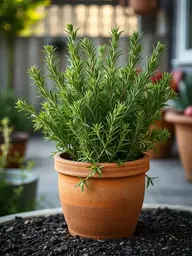
There are several varieties of rosemary, each with its unique characteristics. The most common types are upright rosemary and trailing rosemary. Upright varieties, like 'Tuscan Blue', are perfect for hedges or border plantings, while trailing varieties, such as 'Prostratus', are great for pots or hanging baskets.
Upright rosemary can reach up to 3 feet tall and offers a dense foliage that is excellent for culinary use. On the other hand, trailing rosemary has a more sprawling habit, making it ideal for cascading over walls or containers. Understanding these varieties helps you choose the right one for your garden setup!
Optimal Growing Conditions for Rosemary
Ideal Soil and Drainage Needs
Rosemary thrives best in well-drained soil with a slightly acidic to neutral pH of around 6.0 to 7.0. It’s essential to provide good drainage because rosemary roots don’t like to sit in water. If your garden soil is heavy clay, consider mixing in sand or perlite to improve drainage.
Additionally, you can use a potting mix designed for herbs to provide the right environment. Remember, rosemary prefers dry conditions once established—overwatering can lead to root rot, which is a common issue for many gardeners! For more insights on maintaining healthy soil, explore our article on healthy soil for thriving gardens.
Light and Temperature Preferences
For optimal growth, rosemary needs full sun, which means at least 6 to 8 hours of direct sunlight daily. It does exceptionally well in warm climates but can be grown in cooler regions with the right care. Just make sure to provide it with enough light, as insufficient sunlight can lead to leggy growth and diminished flavor.
Keep an eye on the temperature; rosemary thrives in temperatures ranging from 60°F to 75°F. If you live in a region with harsh winters, consider bringing your potted rosemary indoors to protect it from frost!
Understanding Mediterranean Climate for Rosemary Growth
Rosemary is native to the Mediterranean region, which means it flourishes in conditions similar to those found in southern Europe. This climate is characterized by warm, dry summers and mild, wet winters. Understanding this can help you replicate the conditions rosemary loves, promoting healthy growth and abundant harvests.
Sun exposure is critical; the more sun your rosemary receives, the better it will perform. If you live in a more humid climate, ensure good air circulation and avoid overcrowding your plants to prevent diseases.
Pro Tip
Did you know? Adding a layer of mulch around your rosemary plants can help retain moisture and suppress weeds, allowing your rosemary to thrive even in dryer conditions. It’s a simple yet effective way to enhance the health and flavor of your plants!
Frequently Asked Questions About Growing Rosemary
What are the main benefits of growing rosemary?
Rosemary is a versatile culinary herb with a unique flavor. It's rich in antioxidants and offers potential health benefits like enhancing memory and concentration. It also attracts beneficial insects to your garden and is relatively low-maintenance and drought-resistant.
What are the different types of rosemary, and how should I choose one?
The most common types are upright and trailing rosemary. Upright varieties, like 'Tuscan Blue', grow tall and dense, suitable for hedges or borders. Trailing varieties, such as 'Prostratus', have a sprawling habit, ideal for pots, hanging baskets, or cascading over walls. Choose based on your garden layout and desired aesthetic.
What are the ideal soil and sunlight conditions for rosemary?
Rosemary requires well-drained soil with a slightly acidic to neutral pH (6.0-7.0). It needs full sun, meaning at least 6 to 8 hours of direct sunlight daily. Proper drainage is crucial to prevent root rot.
What kind of climate does rosemary prefer?
Rosemary is native to the Mediterranean region, so it thrives in climates with warm, dry summers and mild, wet winters. Replicating these conditions will promote healthy growth and abundant harvests.
How can I protect my rosemary plant during harsh winters?
If you live in a region with harsh winters and temperatures frequently drop below 60°F (15°C), consider bringing potted rosemary plants indoors to protect them from frost. Ensure they still receive adequate light.
Summary of Key Points on Growing Rosemary
Growing rosemary can be a rewarding experience for any gardener, whether you're just starting out or have a seasoned green thumb. Throughout this guide, we've explored various aspects of rosemary cultivation, focusing on its care, propagation, and harvesting. Here’s a quick recap of the essential points:
Choosing the Right Varieties: Select between upright and trailing types based on your gardening needs.
Optimal Conditions: Ensure well-drained soil, full sun, and a Mediterranean-like climate for best results.
Planting Methods: Decide whether to start from seeds or cuttings, and consider container versus garden bed planting.
Care Requirements: Water appropriately, use minimal organic fertilizers, and prune for health and flavor.
Harvesting Techniques: Time your harvest for peak flavor and explore ways to preserve rosemary's freshness.
By keeping these key points in mind, you’ll set yourself up for success in growing your own rosemary. I find that every step in the process—from planting to harvesting—teaches us something new about gardening and nature!
Get Started with Your Rosemary Journey
Now that you have the knowledge to cultivate rosemary, why wait? It's time to get started on your rosemary journey! Grab some seeds or cuttings and find a sunny spot in your garden or on your balcony. Remember, gardening is best enjoyed with a community, so consider joining a local gardening group or even an online forum. Sharing your experiences and challenges can provide valuable support and inspiration! For more general guidance, check out our essential plant care checklist.
At All American Gardeners, we believe in the power of hands-on gardening to enrich our lives. So, roll up your sleeves, and let's grow some delicious rosemary together! Happy gardening!
Recap of Key Points
Here is a quick recap of the important points discussed in the article:
Choosing the Right Varieties: Select between upright and trailing types based on your gardening needs.
Optimal Conditions: Ensure well-drained soil, full sun, and a Mediterranean-like climate for best results.
Planting Methods: Decide whether to start from seeds or cuttings, and consider container versus garden bed planting.
Care Requirements: Water appropriately, use minimal organic fertilizers, and prune for health and flavor.
Harvesting Techniques: Time your harvest for peak flavor and explore ways to preserve rosemary's freshness.
Subscribe & Share
2026-08-28
Growing Herbs with Hydroponics
Why settle for store-bought herbs when you can grow your own at home, in any space? Hydroponic garde
2026-08-27
Growing Sweet Corn from Seeds
Ready to transform your gardening experience? Selecting the right sweet corn seeds can make all the
Growing Your Own Garlic Bulbs
As you prepare to embark on your journey of growing garlic, consider this: garlic cultivation isn't
All American Gardeners
Your premier online resource for mastering home gardening across the U.S. We empower American home gardeners with expert tips, step-by-step guides, and sustainable practices for thriving outdoor spaces.
Trusted by gardeners nationwide, our mission is to provide reliable, easy-to-follow insights backed by Clara M. Greene's extensive horticulture experience and practical advice.