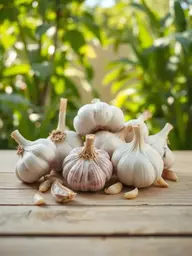
As you prepare to embark on your journey of growing garlic, consider this: garlic cultivation isn't just about planting; it's about understanding. By grasping the nuances of garlic varieties and their specific needs, you can transform your garden into a thriving oasis.
What You Will Learn
Garlic comes in two main varieties: hardneck and softneck, each with distinct flavors and growth characteristics.
Selecting high-quality seed garlic is crucial for a successful harvest—look for firm, blemish-free bulbs.
Planting organic garlic enhances flavor and supports sustainable gardening practices.
Optimal planting times vary by climate; aim for 4-6 weeks before the ground freezes in fall.
Proper soil preparation, including testing pH and ensuring good drainage, is essential for healthy garlic growth.
Garlic Planting Essentials: Varieties, Quality, and Timing
Unlock the secrets to a thriving garlic harvest by understanding the key aspects of planting: choosing the right variety, selecting quality seed bulbs, and perfect timing. This visual guide breaks down the critical elements for successful garlic cultivation. For more comprehensive insights into gardening, explore our organic gardening tips for beginners.
Garlic Varieties Comparison
Choosing the right garlic type impacts flavor and storage. Hardneck offers robust taste, while Softneck is ideal for braiding and longer shelf life.
• Hardneck: Robust flavor, scapes, less storage.
• Softneck: Milder, braids well, long storage.
• Elephant: A leek, mild flavor, very large.
Seed Garlic Quality Checklist
High-quality seed bulbs are crucial for a successful harvest. Ensure they are healthy and free from defects to prevent issues.
✅ No Disease: Free from spots, mold, or discoloration.
Optimal Garlic Planting Times
Timing is key for garlic to establish roots before winter. Adjust based on your local climate zone.
🍂 Cooler Climates: Late September to early October.
🍁 Milder Climates: October, possibly into November.
🌱 Spring Planting: Early spring (if fall is missed).
Essential Soil Requirements
Garlic thrives in specific soil conditions. Proper preparation ensures strong growth and a bountiful harvest.
🔬 pH Levels: Ideal range is 6.0 to 7.0.
🌿 Nutrients: Rich in nitrogen, phosphorus, potassium.
💧 Texture: Loamy, well-aerated, good drainage.
Understanding Garlic Bulbs: What You Need to Know Before Planting
Garlic is a favorite among home gardeners and for good reason! It’s flavorful, versatile, and a breeze to grow if you know what you're doing. But before you dive into planting, let’s explore the ins and outs of garlic bulbs, including the various types and what to look for in quality seed garlic.
Defining Garlic Bulbs and Their Varieties
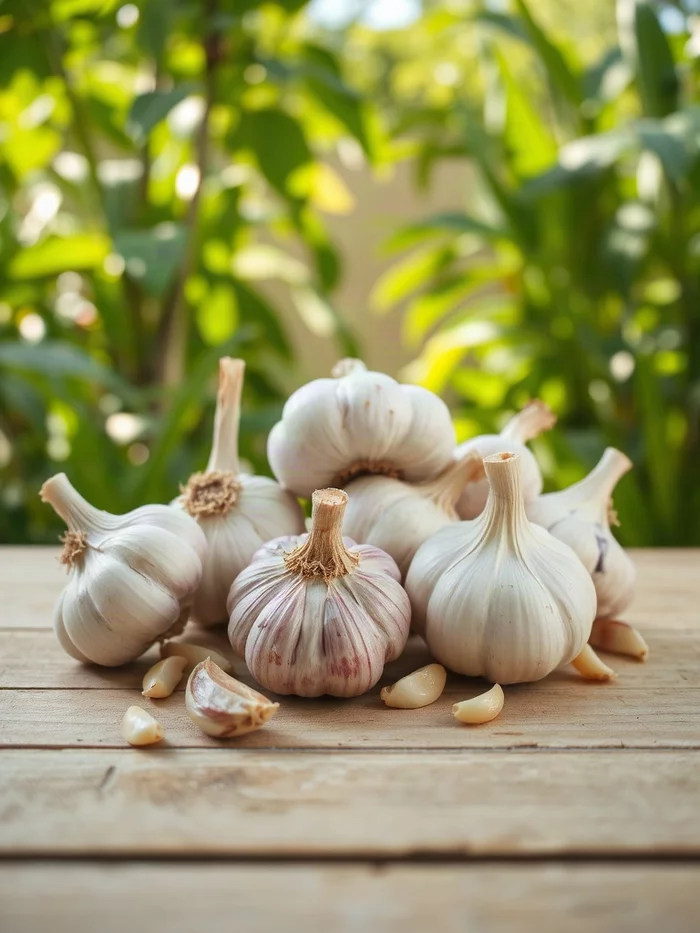
Garlic comes in two primary varieties: hardneck and softneck. Hardneck garlic typically has a stronger flavor and produces a flower stalk, known as a scape, which can also be harvested and enjoyed. On the other hand, softneck garlic is what you often find in grocery stores; it has a milder taste and stores better for longer periods.
Hardneck Garlic: Known for its robust flavor and unique textures.
Softneck Garlic: Great for braiding and has a longer shelf life.
Elephant Garlic: A type of leek, milder in flavor but still delicious!
Choosing the right variety for your garden is essential, as it can impact everything from flavor to storage. So take a moment to consider the climate in your area and your personal taste preferences, perhaps by understanding your USDA hardiness zone!
Choosing Quality Seed Garlic for Successful Growth
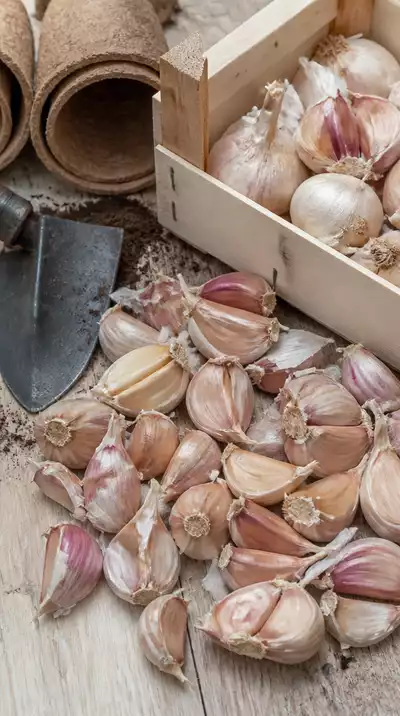
When it comes to planting garlic, selecting high-quality seed bulbs is crucial. Look for bulbs that are firm and free from spots or blemishes—these are often signs of healthy garlic. You want bulbs that feel heavy in your hand and are plump with potential!
Check for firmness: Soft or squishy bulbs are a no-go!
Look for visible cloves: Each garlic bulb should have multiple cloves.
Choose bulbs with no signs of disease: Watch out for any discoloration or mold.
By focusing on quality, you're setting yourself up for a successful growing season. Remember, a healthy bulb leads to a bountiful harvest!
Exploring Organic Garlic and Its Benefits
Planting organic garlic comes with a host of benefits that go beyond just being eco-friendly. Organic garlic is typically grown without synthetic fertilizers or pesticides, which can enhance its flavor and health benefits. Plus, it’s often more resilient to pests and diseases!
Improved Flavor: Many gardeners find that organic garlic has a richer taste.
Healthier Soil: Organic practices promote biodiversity and healthier ecosystems.
Better for You: Avoiding chemicals means you’re growing food that’s safe for your family.
When you choose organic, you're not just cultivating a crop; you're making a choice to support sustainable gardening practices. As a passionate gardener, I can assure you—it's worth the effort!
Timing and Conditions for Planting Garlic Bulbs
Optimal Planting Times Based on Climate Zones
Now that we’ve covered the essentials about garlic bulbs, let’s talk timing. Garlic is typically planted in the fall for the best results, but the specific timing can depend on your climate zone. Aim to plant garlic about 4-6 weeks before the ground freezes to give it ample time to establish roots.
Cooler Climates: Plant in late September to early October.
Milder Climates: October works well, sometimes extending into November.
Spring Planting: If you miss fall planting, early spring is a second chance!
Understanding your local weather patterns can make a big difference in your garlic harvest. Trust me, you don’t want to rush this process!
Preparing Your Soil for Garlic Success
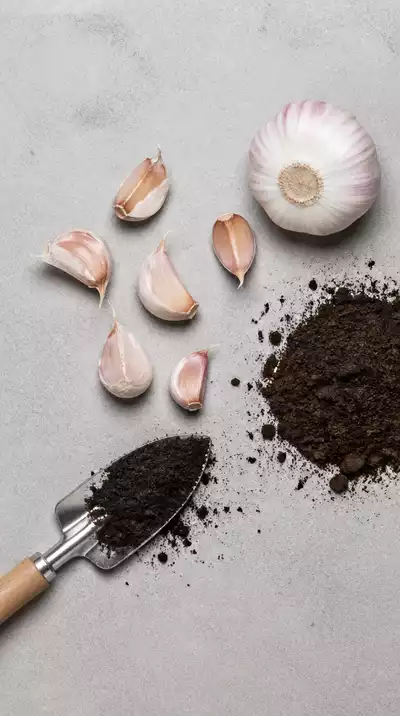
Preparing your soil is just as important as choosing the right garlic bulbs. Garlic thrives in well-draining soil rich in organic matter. You’ll want to test your soil for nutrients and amend it accordingly to ensure your garlic has everything it needs to grow strong. For even better results, consider building raised garden beds to optimize drainage and soil quality.
Test Soil pH: Garlic prefers a pH of 6.0 to 7.0.
Add Organic Matter: Incorporate well-rotted compost to boost nutrients.
Ensure Good Drainage: Garlic hates soggy roots; raised beds can help!
Soil preparation might seem daunting, but it's an essential step that will pay off when you’re harvesting your tasty garlic later!
Understanding Garlic Soil Requirements for Healthy Growth
Garlic needs specific soil conditions to thrive, and understanding these can elevate your gardening game. You’re looking for a combination of the right pH, nutrient content, and soil texture to support healthy growth.
pH Levels: Ideal range is between 6.0 and 7.0 for optimal nutrient uptake.
Nutrient Composition: Ensure your soil is rich in nitrogen, phosphorus, and potassium.
Soil Texture: Loamy soil is best—it's well-aerated and retains moisture without becoming waterlogged.
By understanding these soil requirements, you’ll be better equipped to create the perfect environment for your garlic to flourish. And let’s be honest, nothing beats the aroma of fresh garlic from your own garden!
Pro Tip
Did you know? Garlic benefits from companion planting! Consider growing it alongside roses or tomatoes to naturally deter pests. This not only enhances the health of your garlic but also boosts the overall productivity of your garden!
Frequently Asked Questions About Growing Garlic
Q: What are the two main varieties of garlic?
A: The two main varieties are hardneck and softneck garlic. Hardneck garlic has a stronger flavor and produces a flower stalk (scape), while softneck garlic is milder, stores longer, and is often used for braiding.
Q: How do I choose high-quality seed garlic?
A: Look for bulbs that are firm to the touch, free from spots, mold, or discoloration, and have multiple distinct cloves. Healthy bulbs are crucial for a successful harvest.
Q: When is the best time to plant garlic?
A: Garlic is best planted in the fall, approximately 4-6 weeks before the ground freezes. In cooler climates, this is typically late September to early October, and in milder climates, October into November. Spring planting is an option if fall is missed.
Q: What are the ideal soil conditions for growing garlic?
A: Garlic thrives in well-draining, loamy soil rich in organic matter, with a pH level between 6.0 and 7.0. Ensuring good drainage and adequate nutrients (nitrogen, phosphorus, potassium) is essential.
Q: What are the benefits of planting organic garlic?
A: Organic garlic is often said to have an improved, richer flavor. Growing organically also promotes healthier soil and ecosystems by avoiding synthetic fertilizers and pesticides, resulting in food that is safer for your family.
Conclusion: Your Path to Growing Garlic Successfully
As we wrap up our journey through the essentials of growing garlic bulbs, let's highlight some key takeaways. First and foremost, understanding the variety of garlic is crucial. Selecting the right type, whether it's hardneck or softneck, can significantly impact your garden's success. Additionally, proper timing and soil preparation play vital roles in ensuring your garlic thrives.
Remember, the journey of growing garlic is all about preparation and care. From choosing quality seed garlic to understanding the right planting conditions, each step contributes to a bountiful harvest. By following these guidelines, you can cultivate garlic that enhances your dishes and brings joy to your gardening experience!
Get Ready to Plant Garlic: Your Next Steps
Now that you’re equipped with the knowledge to grow garlic, it’s time to take action! Here’s what I recommend for your next steps:
Assess your local climate and determine the best planting time.
Test your soil to ensure it has the right pH and nutrient levels.
Purchase high-quality garlic bulbs from reputable suppliers.
Prepare your garden bed, ensuring good drainage and rich soil.
At All American Gardeners, we believe in supporting you every step of the way! If you're looking for reliable sources for your garlic bulbs, check out our curated product recommendations. Happy planting, and may your garlic garden flourish! For additional resources on gardening, explore our guide to choosing the right gardening seeds.
Recap of Key Points
Here is a quick recap of the important points discussed in the article:
Garlic comes in two primary varieties: hardneck and softneck, each with unique characteristics and flavor profiles.
Selecting high-quality seed garlic is crucial; look for firm bulbs free from blemishes and signs of disease.
Plant garlic in the fall for best results, ideally 4-6 weeks before the ground freezes, or in early spring if missed.
Prepare your soil by ensuring it is well-draining, rich in organic matter, and has a pH between 6.0 and 7.0.
Choosing organic garlic can enhance flavor and promote healthier gardening practices.
Subscribe & Share
2026-08-28
Growing Herbs with Hydroponics
Why settle for store-bought herbs when you can grow your own at home, in any space? Hydroponic garde
2026-08-27
Growing Sweet Corn from Seeds
Ready to transform your gardening experience? Selecting the right sweet corn seeds can make all the
Growing Your Own Garlic Bulbs
As you prepare to embark on your journey of growing garlic, consider this: garlic cultivation isn't
All American Gardeners
Your premier online resource for mastering home gardening across the U.S. We empower American home gardeners with expert tips, step-by-step guides, and sustainable practices for thriving outdoor spaces.
Trusted by gardeners nationwide, our mission is to provide reliable, easy-to-follow insights backed by Clara M. Greene's extensive horticulture experience and practical advice.