Imagine harvesting juicy, flavorful tomatoes while actively contributing to sustainable agriculture. Aquaponics not only allows you to grow delicious produce but also nurtures the environment. Here’s what you will learn about this innovative gardening method.
What You Will Learn
Aquaponics uses up to 90% less water compared to traditional gardening methods.
Tomatoes grown in aquaponics can have a higher nutrient content and fewer pests due to the balanced ecosystem.
This method promotes local food production, reducing the carbon footprint associated with transporting produce.
Key indicators for harvesting include color change, firmness, ease of separation, and aroma of the tomatoes.
Aquaponics systems can yield 10-20 pounds of tomatoes per plant, often with better taste and nutrient density.
Regular monitoring of nutrient levels and providing optimal lighting enhances both growth and flavor of the tomatoes.
Aquaponics for Tomatoes: Key Benefits and Expected Outcomes
Aquaponics offers a sustainable and efficient method for growing tomatoes, providing numerous benefits from water conservation to enhanced yields. The following highlights the core advantages and what gardeners can anticipate from an aquaponic tomato system. For those just starting out, understanding the basics of setting up an aquaponics system is a great first step.
Aquaponics Advantages
✓Conserves Water: 90% less than traditional methods.
✓Reduces Waste: Recycles water in a closed loop.
✓Enhances Growth: Plants often grow faster and healthier.
Why Aquaponic Tomatoes?
★Higher Nutrient Content: More vitamins & minerals.
Understanding Aquaponics and Its Benefits for Growing Tomatoes
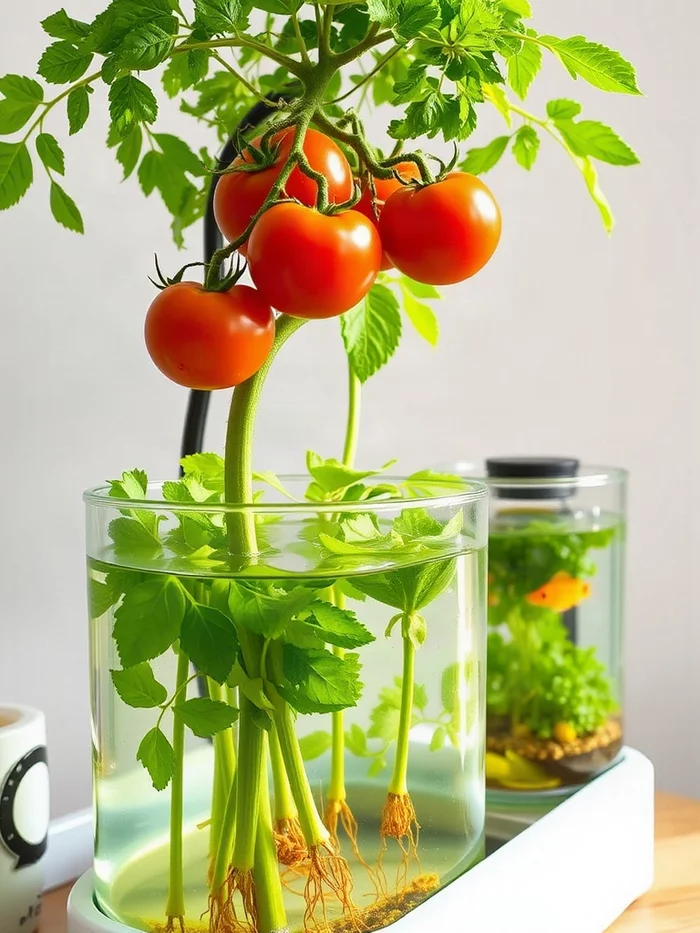
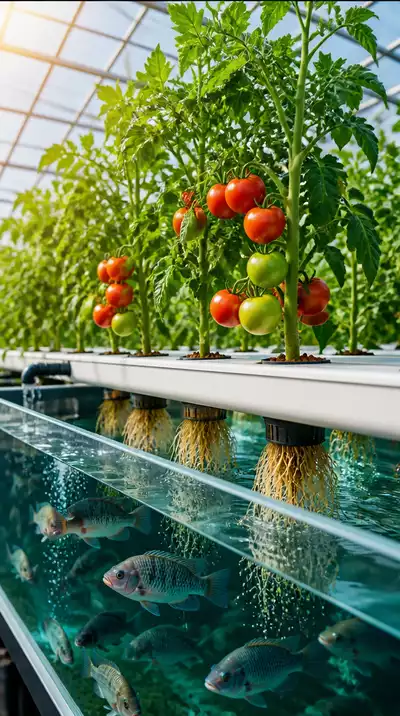
Aquaponics combines aquaculture (raising fish) and hydroponics (growing plants in water) into a symbiotic system that is not only innovative but also environmentally friendly. As a passionate gardener at All American Gardeners, I find aquaponics to be a fascinating way to cultivate tomatoes while nurturing the ecosystem. In this section, we'll explore what aquaponics is, why it's ideal for growing tomatoes, and how it ties into sustainable agriculture.
What is Aquaponics?
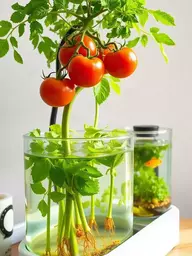
Aquaponics is a method of growing plants in water that is enriched by fish waste. The fish produce waste, which is converted into nutrients by beneficial bacteria. These nutrients are then absorbed by the plants, cleaning the water before it's recirculated back to the fish tank. This closed-loop system not only maximizes space but also minimizes the need for chemical fertilizers, aligning perfectly with my mission of promoting sustainable gardening practices.
Conserves Water: Aquaponics uses up to 90% less water than traditional gardening!
Reduces Waste: The system recycles water, creating a sustainable cycle.
Enhances Growth: Plants grown in aquaponics often grow faster and healthier.
By embracing aquaponics, we're stepping into a gardening method that respects nature and provides us with delicious, healthy tomatoes. It’s a win-win for both the gardener and the environment! For more details on the workings of such a system, explore our guide on understanding aquaponics systems simply.
Why Choose Aquaponic Tomatoes?
Growing tomatoes through aquaponics offers unique benefits that traditional methods simply can't match. First and foremost, aquaponic tomatoes are often more flavorful because they are grown in a nutrient-rich environment. The balance of fish nutrients helps ensure that the tomatoes get the best-tasting compounds while staying healthy and strong.
Higher Nutrient Content: Aquaponic tomatoes tend to have more vitamins and minerals.
Fewer Pests: The balanced ecosystem helps keep pests at bay without chemical pesticides.
Consistent Quality: With controlled conditions, you can enjoy a steady supply of quality tomatoes!
Choosing aquaponic tomatoes means not only gaining superior flavor but also fostering a sustainable approach to gardening that can inspire others.
The Role of Sustainable Agriculture in Aquaponics
Sustainable agriculture is all about meeting our own needs without compromising the ability of future generations to meet theirs. Aquaponics plays a crucial role in this philosophy by using resources efficiently and minimizing environmental impact. Through aquaponics, we can produce food locally, reducing the carbon footprint associated with transporting produce from far-off farms.
Encourages Local Food Production: Grow your tomatoes right in your backyard!
Supports Biodiversity: Creates a balanced ecosystem with fish and plants working together.
Promotes Organic Practices: Avoids harmful chemicals and artificial fertilizers.
By incorporating aquaponics into our gardening practices, we can cultivate not just tomatoes, but also a sense of responsibility towards our planet. It’s part of the mission at All American Gardeners to empower home gardeners to embrace sustainable methods that enhance our natural world.
We Want to Hear From You!
Have you ever tried growing tomatoes using aquaponics? What has your experience been like? Share your thoughts below:
Harvesting Aquaponic Tomatoes: What to Expect
After nurturing your tomatoes in an aquaponic system, the moment of harvest is both exciting and rewarding! But how do you know when your tomatoes are at their peak? Understanding the signs of ripeness is crucial to ensuring a delicious yield.
Indicators of Ripeness: How to Know When to Harvest
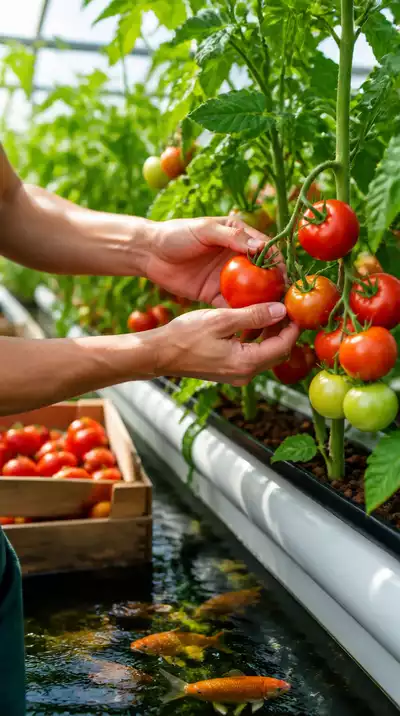
When it comes to harvesting your tomatoes, visual cues play a significant role. Here are some key indicators to look for:
Color Change: Most tomato varieties will change color from green to their ripened hue, whether that’s red, yellow, or orange.
Firmness: A ripe tomato should feel firm but slightly soft to the touch, indicating it's juicy inside.
Ease of Separation: If the tomato easily detaches from the vine with a gentle twist, it's ready to be picked!
Aroma: Ripe tomatoes give off a fragrant, sweet smell. If you catch a whiff of that delightful scent, it's a sure sign they’re ready!
In my experience, waiting for these signs can make all the difference in taste and quality. Remember, harvesting at the right time ensures that the fruits of your labor truly shine!
Expected Yield and Quality Outcomes
One of the most rewarding aspects of aquaponic gardening is the yield you can achieve! Typically, aquaponic systems can produce a significant amount of tomatoes compared to traditional soil gardening. Here’s what you can generally expect:
Higher Yields: Many growers report yields of 10-20 pounds of tomatoes per plant, depending on the variety and growing conditions.
Quality Over Quantity: Aquaponically grown tomatoes often boast better taste and nutrient density, thanks to the balanced ecosystem of fish waste and plant nutrition.
Faster Growth Rates: With optimal conditions, your tomatoes can mature quicker than those grown in soil, allowing for multiple harvests within a season.
It’s essential to keep in mind that the quality of your tomatoes will depend on the health of your aquaponic system. Regular monitoring and maintenance will lead to bountiful, flavorful tomatoes!
Understanding Tomato Nutrition for Better Harvests
To achieve the best flavor and nutritional value from your tomatoes, consider the following aspects:
Nutrient-Rich Water: Ensure your aquaponic system provides balanced nutrients, especially nitrogen, phosphorus, and potassium.
Continuous Monitoring: Regularly check pH levels and nutrient concentrations to maintain a healthy growing environment.
Optimal Lighting: Providing adequate light is crucial; aim for 12-16 hours of light daily to promote healthy growth.
By understanding and managing these elements, you’ll not only enhance your harvest but also enjoy tomatoes packed with flavor and nutrition. Growing tomatoes in an aquaponic system can be a truly satisfying journey, and I can't wait for you to experience the joy of a successful harvest! For tips on maximizing your yields and plant health, consider our guide on fertilizing garden plants.
Frequently Asked Questions (FAQs) About Aquaponics for Tomatoes
What is aquaponics? Aquaponics is an innovative gardening method that combines aquaculture (raising fish) and hydroponics (growing plants without soil). Fish waste provides nutrients for the plants, and the plants, in turn, filter the water for the fish, creating a symbiotic, closed-loop system.
How much water does aquaponics save compared to traditional gardening? Aquaponics systems can use up to 90% less water than traditional soil-based gardening methods due to its closed-loop water recycling system.
Are aquaponic tomatoes more nutritious or flavorful? Yes, tomatoes grown in aquaponics often have a higher nutrient content and are more flavorful because they thrive in a consistently nutrient-rich environment provided by the fish waste.
What are the environmental benefits of aquaponics? Aquaponics promotes sustainable agriculture by conserving water, reducing waste, encouraging local food production, supporting biodiversity, and minimizing the need for chemical fertilizers and pesticides.
How do I know when to harvest aquaponic tomatoes? Key indicators of ripeness include a full color change (e.g., green to red), a firm but slightly soft feel, easy separation from the vine with a gentle twist, and a fragrant, sweet aroma.
What kind of yield can I expect from aquaponic tomato plants? Many aquaponic growers report yields of 10-20 pounds of tomatoes per plant, often with faster growth rates and better overall quality compared to traditional methods.
How can I ensure the best quality and flavor for my aquaponic tomatoes? Regularly monitor nutrient levels (especially nitrogen, phosphorus, and potassium) and pH levels in your system. Providing 12-16 hours of optimal lighting daily is also crucial for healthy growth and enhanced flavor.
Recap of Key Points
Here is a quick recap of the important points discussed in the article:
Aquaponics System: Combines aquaculture and hydroponics to create a sustainable growing environment, conserving water and reducing waste.
Flavorful Tomatoes: Aquaponic tomatoes are often more flavorful and nutrient-dense due to the balanced ecosystem provided by fish waste.
Harvest Indicators: Look for color change, firmness, ease of separation, and aroma to determine when tomatoes are ripe for harvest.
Expected Yields: Aquaponics can yield 10-20 pounds of tomatoes per plant, often with better taste and quicker growth rates than traditional methods.
Sustainable Practices: Encourages local food production, supports biodiversity, and promotes organic gardening methods.
Subscribe & Share
2026-08-28
Growing Herbs with Hydroponics
Why settle for store-bought herbs when you can grow your own at home, in any space? Hydroponic garde
2026-08-27
Growing Sweet Corn from Seeds
Ready to transform your gardening experience? Selecting the right sweet corn seeds can make all the