Aquaponics Core Process
Fish Produce Waste
Rich in nutrients (Ammonia)
→Bacteria Convert Waste
Ammonia → Nitrites → Nitrates
→Plants Absorb Nutrients
Filter water for fish
↺Clean Water Returns
To fish tanks
Join Clara M. Greene's community for expert tips and seasonal guides tailored for American gardeners.
Posted on: 2026-02-15
By: Clara M. Greene
What if you could cultivate a thriving garden while simultaneously supporting a sustainable ecosystem? Aquaponics provides a unique solution that intertwines fish farming with plant cultivation, creating a self-sustaining environment. Dive into this innovative approach to gardening and discover how you can make a positive impact on both your food sources and the planet!
Delve into the efficient, eco-friendly system of aquaponics, where fish and plants thrive together in a symbiotic relationship.
Rich in nutrients (Ammonia)
→Ammonia → Nitrites → Nitrates
→Filter water for fish
↺To fish tanks
Welcome to the fascinating world of aquaponics! As a passionate gardener, I truly appreciate the innovative blend of aquaculture and hydroponics that makes up this sustainable farming method. Aquaponics allows us to grow fish and plants together in a symbiotic environment, creating a highly efficient and eco-friendly system. Have you ever wondered how this works? Let's dive into the details!
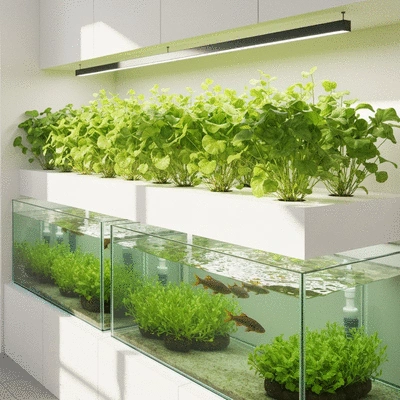
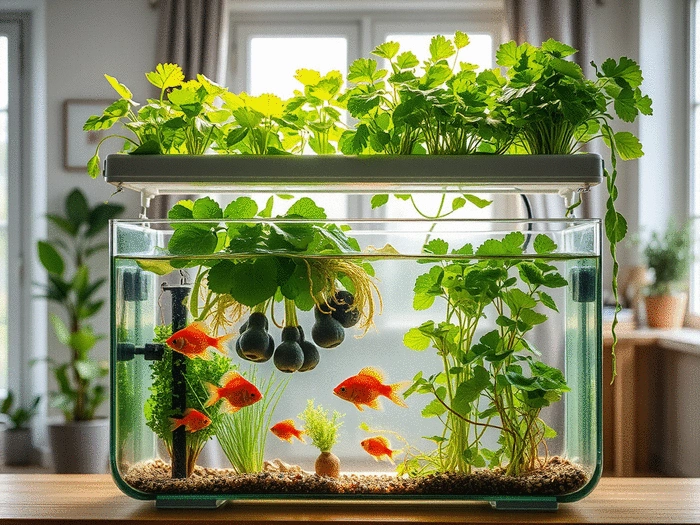
Aquaponics combines aquaculture (raising fish) with hydroponics (growing plants in water) to create a closed-loop system. In this setup, fish waste provides organic nutrients for the plants, while the plants help filter the water for the fish. This means less waste and more yield! It’s like having your very own miniature ecosystem right in your backyard.
This cycle not only conserves water but also eliminates the need for chemical fertilizers, making aquaponics an excellent choice for sustainable gardening. For a deeper understanding of various aquaponics systems, you can explore resources like NCRAquaponics.com, which offers insights into different setups.
Understanding the science behind aquaponics can enhance your gardening journey! At its core, aquaponics relies on the nitrogen cycle. Fish waste is broken down by bacteria into ammonia, which is then converted into nitrites and finally nitrates—nutrients that are vital for plant growth. This biological process is what keeps both fish and plants thriving. For more detailed information, Oklahoma State University Extension provides comprehensive fact sheets on aquaponics.
In an aquaponics system, careful monitoring of water quality is essential. That means keeping an eye on pH levels, ammonia, nitrite, and nitrate concentrations. By maintaining the right conditions, you’ll ensure a vibrant and productive garden!
The benefits of aquaponics are numerous! Not only does this method promote sustainable agriculture, but it also boosts food security. Here are a few key advantages:
By adopting aquaponics, you’re not just cultivating a garden; you’re contributing to a more sustainable future for food production. It’s a fantastic way to embrace your green thumb while making a positive impact on the planet!
What aspect of aquaponics are you most excited to try in your own garden? Share your thoughts below:
Aquaponics is not just a trend; it's a revolution in sustainable farming! As someone deeply passionate about gardening and sustainability, I see the incredible potential that aquaponics holds for the future of food production. Let's dive into the emerging trends that are shaping this industry and how they can benefit home gardeners like you.
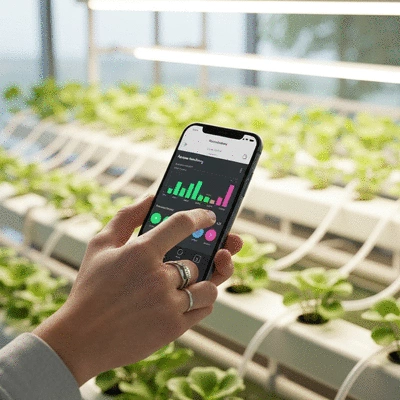
The integration of Artificial Intelligence (AI) and the Internet of Things (IoT) is transforming aquaponics systems. These technologies provide real-time data and analytics, allowing for precise monitoring of water quality, nutrient levels, and plant growth rates. Imagine having the ability to control your aquaponics system from your smartphone!
By utilizing these innovations, you can create a more efficient and productive aquaponics setup right at home. As we embrace technology, aquaponics becomes even more accessible and sustainable for everyone!
The aquaponics market is poised for significant growth, driven by the increasing demand for sustainable food sources. As urbanization continues to rise, more people are looking for ways to produce their own food. Here are some potential growth areas you should keep an eye on:
These areas not only represent economic opportunities but also contribute to food security and community resilience. By investing time and resources in aquaponics, we can help foster a sustainable future!
Climate control is a game changer in aquaponics. With the right systems in place, gardeners can ensure optimal growth conditions year-round, regardless of external weather conditions. This is especially beneficial for those of us living in areas with extreme climates.
By effectively managing climate factors, you can boost your aquaponics production and enjoy a continuous supply of fresh produce! Remember, in the world of gardening, consistency is key!
Here is a quick recap of the important points discussed in the article: