Cultivate Your Best Garden!

Join Clara M. Greene's community for expert tips and seasonal guides tailored for American gardeners.

Getting Started with Aquaponics


Getting Started with Aquaponics

Posted on: 2026-03-12
By: Clara M. Greene


If you're curious about a gardening method that merges sustainability and efficiency, aquaponics might be your next big adventure! This innovative system not only nurtures plants but also cares for fish, creating a thriving ecosystem right in your home.

What You Will Learn

  • Aquaponics combines aquaculture and hydroponics, creating a symbiotic growing environment.
  • This method uses 90% less water than traditional gardening, making it ideal for sustainability.
  • Fish waste serves as a natural fertilizer, eliminating the need for chemical alternatives.
  • Understanding nitrogen cycling is crucial for maintaining a healthy aquaponics system.
  • Aquaponics can be adapted to small spaces, perfect for urban and indoor gardening.

Aquaponics System Essentials & Benefits

Understanding the core components and advantages of aquaponics is key to a successful start. This visual outlines the essential elements of an aquaponics system and highlights the compelling benefits for new growers. For those looking to dive deeper into how these systems function, exploring resources like understanding aquaponics systems simply can provide valuable insights.

Aquaponics: A Sustainable Farming Method

Combines fish farming (aquaculture) with growing plants in water (hydroponics) in a closed-loop system.

Essential System Components
  • Fish Tank: Home for aquatic life.
  • Grow Bed: Where plants thrive.
  • Water Pump: Circulates water.
  • Biofilter: Houses beneficial bacteria.
Benefits for New Growers
  • Minimal Space: Ideal for urban settings.
  • Efficient Water Use: 90% less water than traditional methods.
  • Compost-Free: Fish waste is natural fertilizer.
  • Fast Growth Rates: Constant nutrient access.

Nitrogen Cycling: The Core Process

Fish waste (ammonia) is converted by bacteria to nitrites, then to nitrates, which plants absorb.

  • Ammonia
    (Fish Waste)
  • Nitrites
    (Harmful)
  • Nitrates
    (Plant Food)

Understanding Aquaponics for Beginners: A Comprehensive Introduction

Aquaponics is an innovative and sustainable farming method that combines aquaculture (raising fish) with hydroponics (growing plants in water). It’s a fantastic way to create a balanced ecosystem where fish waste fertilizes the plants, while the plants help filter and clean the water for the fish. This closed-loop system is not only efficient but also a wonderful opportunity for home gardeners to explore new growing techniques!

For those just starting out, the idea of diving into aquaponics might seem overwhelming. But don't worry! As someone who is passionate about gardening, I can assure you that with a little knowledge, anyone can successfully set up their own aquaponics system. Let's explore the basics together!

What is Aquaponics and How Does It Work?

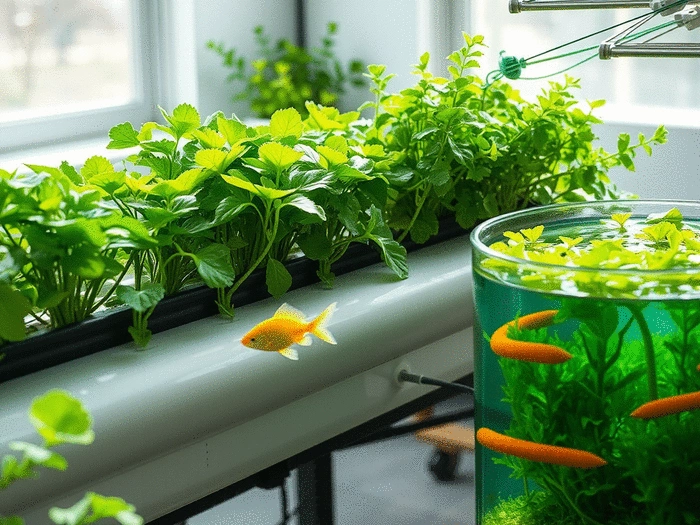
At its core, aquaponics merges two distinct yet harmonious processes. In a typical aquaponics system, you'll have fish swimming in a tank, and their waste provides essential nutrients for the plants growing in a separate bed. This waste is broken down by beneficial bacteria into nitrites and then nitrates, which the plants absorb as food. Meanwhile, the plants help purify the water, which is then recirculated back to the fish tank. It's a win-win situation!

  • Fish Tank: The home for your aquatic friends.
  • Grow Bed: Where your plants thrive.
  • Water Pump: Circulates water between the fish and plants.
  • Biofilter: Houses the bacteria essential for nitrogen cycling.

With this cyclical relationship, aquaponics not only conserves water but also maximizes space, making it a perfect choice for home gardeners looking to grow fresh produce sustainably. If you're interested in alternative growing methods that also save space, consider exploring vertical garden benefits to see how different techniques can complement your gardening goals.

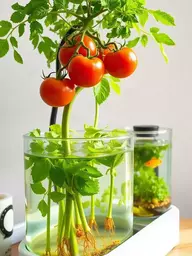
A small aquaponics system with leafy green plants growing from a grow bed above a fish tank, showing the symbiotic relationship, no text, no words, no typography, 8K

Benefits of Aquaponics for New Growers

If you're new to gardening, you might wonder, “Why should I choose aquaponics?” Well, here are some compelling reasons that make it an ideal option:

  • Minimal Space Required: With aquaponics, you can grow a variety of plants in small spaces, making it perfect for urban settings.
  • Efficient Water Usage: Aquaponics systems use about 90% less water than traditional gardening methods.
  • Compost-Free Fertilizer: The fish waste acts as a natural fertilizer, so you won’t need to buy expensive chemical fertilizers.
  • Fast Growth Rates: Plants in aquaponics systems often grow quicker because they have constant access to nutrients.

These benefits not only simplify the growing process but also make it enjoyable, allowing you to reap the rewards of your hard work without excessive effort!

Exploring the Role of Nitrogen Cycling in Aquaponics

Nitrogen cycling is a fundamental concept in aquaponics, and it’s essential to understand its role. The cycle begins with fish producing waste which contains ammonia, a toxic substance in high quantities. Luckily, beneficial bacteria convert this ammonia into nitrites and then into nitrates, which are much safer for fish and beneficial for plants.

  • Ammonia: Produced from fish waste and uneaten food.
  • Nitrites: The intermediate product that can be harmful to fish in high levels.
  • Nitrates: The end product that plants use as food, promoting growth.

Understanding and maintaining this cycle is crucial for the health of both your fish and plants. Regularly testing your water quality will help ensure everything stays balanced and thriving. With a solid grasp of nitrogen cycling, you're well on your way to becoming a successful aquaponics gardener!

Pro Tip

To ensure a thriving aquaponics system, regularly monitor your water quality. Testing for ammonia, nitrites, and nitrates not only keeps your fish healthy but also promotes optimal plant growth. A simple water testing kit can be your best friend in this exciting gardening adventure!

Frequently Asked Questions About Aquaponics

Aquaponics is a sustainable food production system that combines aquaculture (raising fish) and hydroponics (growing plants without soil). Fish waste provides nutrients for the plants, and the plants filter the water for the fish, creating a symbiotic environment.

The essential components include a fish tank (for aquatic life), a grow bed (where plants thrive), a water pump (to circulate water), and a biofilter (to house beneficial bacteria for nitrogen cycling).

Aquaponics systems use significantly less water (up to 90% less) compared to traditional gardening methods because it is a closed-loop system where water is recirculated and reused, minimizing waste.

Nitrogen cycling is the process where beneficial bacteria convert ammonia (from fish waste) into nitrites, and then into nitrates. Nitrates are absorbed by plants as food, while this process simultaneously purifies the water for the fish. It's crucial for the health and balance of the entire ecosystem.

Yes, aquaponics is highly suitable for urban and indoor gardening due to its minimal space requirements. Vertical aquaponics systems and tabletop kits are popular options for growing fresh produce and fish in limited spaces.

Key Takeaways for Aspiring Aquaponists

Embarking on your aquaponics journey is an exciting adventure! However, it’s essential to take a moment to reflect on what you’re truly committing to. Aquaponics combines the best of both aquaculture and hydroponics, allowing you to grow plants and fish together in a symbiotic environment. Before diving in, consider the following:

  • Your availability: Do you have the time to monitor and maintain your aquaponics system regularly?
  • Long-term goals: Are you looking to grow food for your family, or are you considering a larger scale operation?
  • Resources: Do you have access to necessary supplies and knowledge to support your system?

Taking time to evaluate these factors will help you set realistic expectations and ensure a successful start. Remember, the journey of aquaponics is not just about growing food; it’s about fostering a deeper connection with nature and understanding the ecosystems we impact.

Final Thoughts: Is Aquaponics Right for You?

As with any gardening method, aquaponics has its unique challenges and rewards. Think about your lifestyle and how much effort you're willing to invest. If you love the idea of creating a self-sustaining ecosystem and enjoy tinkering with systems, aquaponics could be a perfect fit!

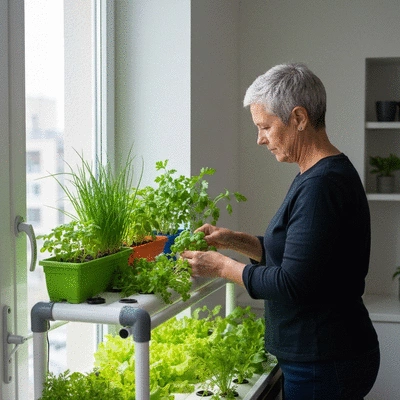
A person tending to a small, thriving aquaponics system in an urban apartment, with fresh herbs and vegetables, no text, no words, no typography, 8K

Before making a decision, I encourage you to experiment. Start small—maybe with a tabletop aquaponics system or a basic kit. This way, you can gauge your interest and commitment without feeling overwhelmed. Trust me, it’s all about finding what works for you!

Get Started with Aquaponics Today

Where to Buy Aquaponics Kits and Supplies

Now that you’re excited about aquaponics, let’s talk about how to get started! You can find aquaponics kits and supplies in various places:

  • Online retailers: Websites like Amazon offer a range of kits perfect for beginners.
  • Local garden centers: Many garden stores now carry aquaponics supplies, so check out what’s in your area!
  • Specialty aquaponics shops: Look for stores that specialize in hydroponics and aquaponics; they often have knowledgeable staff to help you.

When purchasing your kit, ensure that it includes all the essential components, such as a pump, fish tank, and grow beds. Having everything in one package can make your initial setup much smoother!

Join the Growing Aquaponics Community for Ongoing Support

Connecting with others who share your passion is invaluable in your aquaponics journey. Joining a community will provide you with resources, support, and tips that can help you along the way. Here are some great ways to connect:

  • Online forums: Websites like Reddit or dedicated aquaponics forums offer a wealth of knowledge.
  • Social media groups: Look for Facebook groups or Instagram accounts dedicated to aquaponics.
  • Local meetups: Find local gardeners or aquaponics enthusiasts in your area to share experiences and ideas.

Being part of a community will not only enhance your learning but also keep your motivation high as you witness others’ successes!

Exploring Urban and Indoor Gardening with Aquaponics

Aquaponics is a fantastic choice for urban and indoor gardeners! If you have limited space, you can set up a compact system that fits perfectly in your home. Consider these options:

  • Vertical aquaponics systems: These help maximize space by growing plants upward.
  • Tabletop systems: Small and manageable, ideal for beginners and those with limited space.
  • Indoor grow lights: Essential for providing the right light conditions for your plants.

With aquaponics, you can enjoy fresh produce and fish right from your home, even in the heart of the city. Just imagine plucking fresh herbs for your meals or having your own sustainable fish source! If you're looking for more ways to enhance your indoor gardening, consider top hydroponic lighting options to ensure your plants receive adequate light for growth.

Recap of Key Points

Here is a quick recap of the important points discussed in the article:
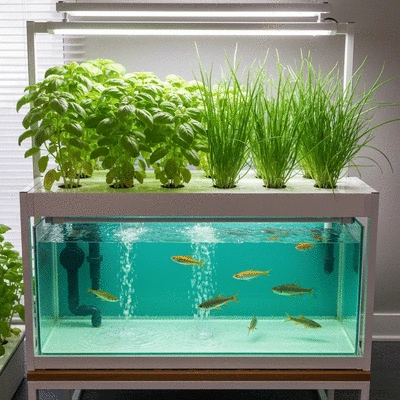
  • Understanding Aquaponics: A sustainable farming method that combines aquaculture and hydroponics, creating a symbiotic environment for fish and plants.
  • Benefits for New Growers: Aquaponics requires minimal space, uses 90% less water than traditional gardening, and provides natural fertilizer through fish waste.
  • Nitrogen Cycling: Essential for the health of your system, involving the conversion of ammonia from fish waste into safe nitrates for plants.
  • Key Considerations: Assess your availability, long-term goals, and resources before starting your aquaponics journey.
  • Getting Started: Consider purchasing a complete aquaponics kit and engage with the growing community for support and knowledge-sharing.

Subscribe & Share
Drought-Tolerant Plants for Gardens Drought-Tolerant Plants for Gardens As climate change continues to challenge traditional gardening practices, the shift toward sustainab
Top Fish Choices for Aquaponics Top Fish Choices for Aquaponics Have you ever considered how fish and plants can thrive together in a sustainable environment? Aquap
Starting Your Year-Round Herb Garden Starting Your Year-Round Herb Garden Here's a surprising fact: growing your own herbs can actually save you money while enhancing the fla
Banner
All American Gardeners

Your premier online resource for mastering home gardening across the U.S. We empower American home gardeners with expert tips, step-by-step guides, and sustainable practices for thriving outdoor spaces.

Trusted by gardeners nationwide, our mission is to provide reliable, easy-to-follow insights backed by Clara M. Greene's extensive horticulture experience and practical advice.

Cultivate Your Garden
Recent Posts
Drought-Tolerant Plants for Gardens Drought-Tolerant Plants for Gardens

As climate change continues to challenge tradition

Top Fish Choices for Aquaponics Top Fish Choices for Aquaponics

Have you ever considered how fish and plants can t

Starting Your Year-Round Herb Garden Starting Your Year-Round Herb Garden

Here's a surprising fact: growing your own herbs c

Gardening Wisdom from All American Gardeners

All American Gardeners

All American Gardeners is your trusted resource for empowering home gardeners across the U.S. with expert insights and practical advice. We support gardeners of all skill levels with accessible, actionable content to cultivate thriving outdoor spaces.

© Copyrights. All rights reserved. All American Gardeners

Quick Links
Connect with Us
Newsletter

Subscribe for gardening tips, seasonal guides, and expert advice straight to your inbox. Grow healthier, more beautiful gardens!