Cultivate Your Best Garden!

Join Clara M. Greene's community for expert tips and seasonal guides tailored for American gardeners.

Top Hydroponic Lighting Options


best lights for hydroponics

Posted on: 2026-03-04
By: Clara M. Greene


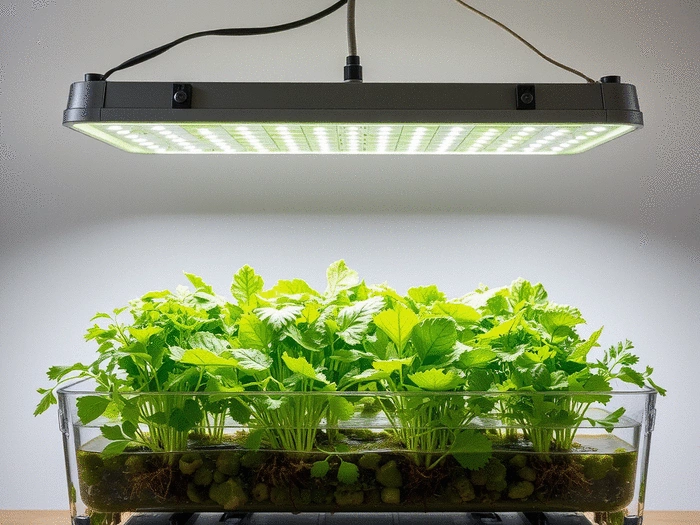
As you embark on your hydroponic gardening adventure, understanding the significance of lighting can transform your success rate. This is more than just a technical aspect; it's the heartbeat of your plants' growth and vitality.

What You Will Learn

  • The essential role of light in hydroponics, influencing photosynthesis and growth processes.
  • Key factors to consider when selecting hydroponic lights, such as energy efficiency and light spectrum needs.
  • Understanding photoperiods: how different plants require varying durations of light exposure for optimal growth.
  • Comparative advantages of different hydroponic light types, including LED, HPS, and MH lights, aiding in informed decision-making.
  • Practical tips for beginners on starting with the right lighting solutions for their hydroponic setups.
  • The importance of evaluating brand reviews and customer feedback when choosing hydroponic lights.
  • Sustainable practices in hydroponic lighting and the environmental impact of lighting choices.

Comparing Hydroponic Light Types and Their Impact

This visual outlines the key characteristics and ideal use cases for different hydroponic lighting technologies, along with the required light duration for various plant growth stages.

LED Grow Lights

  • Efficiency: Less energy consumption
  • Full-Spectrum: Adjustable for growth stages
  • Lifespan: Longer duration, cost savings
  • Heat Output: Low

*Ideal for beginners & versatile growers.*

HPS Grow Lights

  • Flowering Performance: High yields
  • Intensity: Strong light output
  • Heat Output: High, needs cooling
  • Energy Use: Higher consumption

*Best for commercial flowering operations.*

MH Grow Lights

  • Blue Spectrum: Promotes bushy growth
  • Ideal Use: Seedlings & vegetative stage
  • Full Cycle: Often paired with HPS

*Crucial for early plant development.*

Fluorescent Lights

  • Cost-Effective: Lower upfront cost
  • Low Heat: Safe for close placement
  • Intensity: Not sufficient for all plants

*Budget-friendly for smaller setups.*

Light Duration Needs by Plant Stage

Seedlings:

14-16 hours

Vegetative:

~18 hours

Flowering:

~12 hours

Understanding Hydroponic Lighting: Why It Matters

As a passionate gardener, I've seen firsthand how vital hydroponic lighting is for the success of your plants. Light affects every aspect of growth, from photosynthesis to overall yield. In hydroponics, where traditional soil is absent, choosing the right lighting is crucial to ensure your plants receive the energy they need to thrive! For those just starting, our beginner's guide to hydroponics offers a great foundation.

Let’s dive deeper into how light influences plant health. The energy from lights contributes directly to photosynthesis, the process by which plants convert light energy into chemical energy. This energy is essential for growth and development, especially in controlled environments like hydroponic systems.

The Role of Light in Hydroponics

Understanding how light works in hydroponics can significantly improve your gardening outcomes. Here are the primary roles light plays:

  • Photosynthesis: Light is the driving force behind photosynthesis, allowing plants to create their own food.
  • Growth Stimulation: Different wavelengths of light can stimulate various growth processes, affecting both roots and foliage.
  • Flowering and Fruiting: Specific light conditions are required to trigger flowering and fruit production in many plants.

By optimizing light exposure, you can enhance plant growth and ensure that your hydroponic garden flourishes!

Key Considerations for Choosing Hydroponic Lights

When it comes to selecting the right hydroponic lights, there are several key factors to keep in mind:

  • Energy Efficiency: Look for lights that provide maximum output with minimal energy consumption.
  • Light Spectrum Needs: Consider what type of plants you're growing and their specific light spectrum requirements.
  • Cost-Effectiveness: Balance the initial investment with long-term savings. Sometimes, spending a bit more now can pay off in energy savings later!

These factors can help you narrow down your options and find the right lighting solutions for your specific needs.

Understanding Light Duration and Its Impact on Hydroponics

The duration of light exposure, or photoperiod, plays a significant role in the health of your hydroponic plants. Different plants have different light duration needs:

  • Seedlings: Typically need 14-16 hours of light to encourage strong growth.
  • Vegetative Stage: Most plants thrive with around 18 hours of light during this phase.
  • Flowering Stage: Many flowering plants require a shorter photoperiod, around 12 hours of light, to signal blooming.

Understanding these growth stages will help you create a lighting schedule that promotes optimal health and productivity in your hydroponic garden!

Comparing Hydroponic Light Types: LED vs. HPS vs. MH

As I ventured into hydroponics, I grappled with the choices in lighting options available. Each type of light has its own set of advantages and disadvantages, which I found essential to understand. Let’s explore the main types of hydroponic lights! For more insights into system types, read our guide on understanding hydroponic systems today.

LED Grow Lights: Advantages for Hydroponics

One of my favorite choices, LED grow lights, offer several advantages:

  • Efficiency: They use significantly less energy compared to other types.
  • Full-Spectrum Versatility: LEDs can be adjusted to emit the right spectrum for each stage of plant growth.
  • Long Lifespan: With a longer lifespan, LED lights save you money over time!

For many gardeners, investing in LED lights has proven to be a game changer, making them an excellent option for both beginners and experienced growers.

High-Pressure Sodium (HPS) Grow Lights: Pros and Cons

HPS grow lights are a staple in many commercial operations. They excel in certain areas:

  • Flowering Performance: HPS lights are known for producing high yields during the flowering stage.
  • Intensity: They offer strong light output, which benefits plant growth.

However, keep in mind that HPS lights can run hot and may require additional cooling systems, which can increase operational costs!

Metal Halide (MH) Grow Lights: When to Use

MH lights are typically used during the vegetative stage. Here’s why:

  • Blue Spectrum Light: MH lights emit a blue spectrum, promoting bushier and healthier growth.
  • Ideal for Young Plants: They are especially beneficial for seedlings and young plants.

While they have their place, many hydroponic gardeners choose to pair MH lights with HPS for a full growing cycle!

Fluorescent Lights: Budget-Friendly Alternatives

If you’re working with a tight budget, fluorescent lights can be a great choice:

  • Cost-Effective: They are generally cheaper than more advanced options.
  • Low Heat Emission: Fluorescent lights generate less heat, making them safer for close plant placement.

However, their light intensity may not be sufficient for all plants, especially during flowering. So, they’re best for smaller setups or specific types of plants.

Pro Tip

When setting up your hydroponic lighting, consider using a timer to automate your light schedule. This ensures that your plants receive consistent light exposure, which is crucial for their growth stages. A well-timed light cycle can significantly enhance photosynthesis, leading to healthier plants and better yields!

Frequently Asked Questions About Hydroponic Lighting

Light is crucial in hydroponics because it drives photosynthesis, the process by which plants convert light energy into chemical energy for growth. Without adequate and appropriate lighting, plants cannot thrive in a soilless environment.

Key factors include energy efficiency, the specific light spectrum needed for your plants' growth stages, and cost-effectiveness (balancing initial investment with long-term savings).

Different plants and growth stages require varying light durations. For example, seedlings typically need 14-16 hours, the vegetative stage around 18 hours, and the flowering stage often requires about 12 hours to trigger blooming.

The main types are LED (energy-efficient, full-spectrum, long lifespan, low heat, good for all stages), HPS (high intensity, excellent for flowering, but high heat and energy consumption), MH (blue spectrum, ideal for vegetative growth and seedlings), and fluorescent (cost-effective, low heat, good for small setups or early stages).

LED grow lights are generally recommended for beginners due to their user-friendliness, versatility across different growth stages, energy efficiency, and lower heat output.

Making Your Final Decision: Recommendations on Hydroponic Lights

When it comes to choosing the right hydroponic lights, understanding the differences between LED and HPS is essential. Each lighting option has its unique benefits and considerations. For those seeking energy efficiency, LED lights stand out with their low energy consumption and long lifespan. However, if you're focused on high yield and plant flowering, HPS lights might be more suitable. Let’s delve into the key takeaways for each type:

  • LED Lights: Energy-efficient, full spectrum, and low heat output.
  • HPS Lights: Excellent for flowering stages and high yields, but consume more energy.
  • Cost Considerations: LED may have a higher upfront cost but offers savings over time.

Ultimately, your choice will depend on your specific needs, such as the types of plants you’re growing and your budget. As someone who has navigated the world of hydroponics, I can affirm that making an informed decision will set the foundation for thriving plants! Consider exploring our essential plant care checklist to complement your lighting choices.

Recommendations for Beginners Setting Up Hydroponics

If you're just starting your hydroponic journey, it’s crucial to select lighting that balances ease of use and budget. Here are my top tips for newcomers:

  • Start with LED Grow Lights: They’re user-friendly, versatile, and ideal for various plants.
  • Look for Adjustable Settings: Some LED lights allow you to adjust the intensity as your plants grow.
  • Consider Starter Kits: Many kits come with everything you need, including lights, which simplifies setup!

These options not only simplify the process but also provide the flexibility that new gardeners need. Trust me, starting with the right tools can make all the difference in your gardening experience!

Evaluating Brand Reviews for Hydroponic Lights

Researching brand reputation and user feedback is vital when selecting the right hydroponic lights. A few key aspects to consider include:

  • Customer Ratings: Look for products with a high number of positive reviews.
  • Warranty and Support: Brands that offer good warranties are usually more reliable.
  • User Experiences: Pay attention to detailed reviews that discuss performance and longevity.

Taking the time to evaluate these factors will not only save you money but also enhance your gardening success as you learn from the experiences of others!

Wrapping Up: Your Hydroponics Lighting Journey

Encouraging Sustainable Practices in Hydroponic Lighting

As you make decisions about hydroponic lights, consider the sustainability of your choices. Using energy-efficient lights like LEDs can significantly reduce your carbon footprint while also lowering energy bills. Plus, many LED lights are designed to last longer, which means less waste in the long run. Embracing sustainable practices ensures that you’re not only nurturing your plants but also caring for the planet!

Call to Action: Select the Right Lights for Your Hydroponic Setup

Now that you’re equipped with essential insights on hydroponic lighting, it’s time to assess your specific needs! Take a moment to reflect on your gardening goals, budget, and the types of plants you wish to grow. With a solid understanding of your options, you can make informed purchasing decisions that will foster a flourishing hydroponic garden. Happy gardening, and remember, at All American Gardeners, we’re here to support you every step of the way!

Recap of Key Points

Here is a quick recap of the important points discussed in the article:
  • Importance of Hydroponic Lighting: Essential for photosynthesis and overall plant growth.
  • Choosing the Right Lights: Consider energy efficiency, light spectrum needs, and cost-effectiveness.
  • Light Duration: Different plants require specific light durations during various growth stages.
  • Types of Hydroponic Lights: LED, HPS, MH, and fluorescent each have distinct advantages and applications.
  • Recommendations for Beginners: Start with user-friendly LED grow lights for flexibility and ease of use.
  • Sustainability Practices: Opt for energy-efficient lighting solutions to reduce carbon footprint.

Subscribe & Share
Drought-Tolerant Plants for Gardens Drought-Tolerant Plants for Gardens As climate change continues to challenge traditional gardening practices, the shift toward sustainab
Top Fish Choices for Aquaponics Top Fish Choices for Aquaponics Have you ever considered how fish and plants can thrive together in a sustainable environment? Aquap
Starting Your Year-Round Herb Garden Starting Your Year-Round Herb Garden Here's a surprising fact: growing your own herbs can actually save you money while enhancing the fla
Banner
All American Gardeners

Your premier online resource for mastering home gardening across the U.S. We empower American home gardeners with expert tips, step-by-step guides, and sustainable practices for thriving outdoor spaces.

Trusted by gardeners nationwide, our mission is to provide reliable, easy-to-follow insights backed by Clara M. Greene's extensive horticulture experience and practical advice.

Cultivate Your Garden
Recent Posts
Drought-Tolerant Plants for Gardens Drought-Tolerant Plants for Gardens

As climate change continues to challenge tradition

Top Fish Choices for Aquaponics Top Fish Choices for Aquaponics

Have you ever considered how fish and plants can t

Starting Your Year-Round Herb Garden Starting Your Year-Round Herb Garden

Here's a surprising fact: growing your own herbs c

Gardening Wisdom from All American Gardeners