Cultivate Your Best Garden!

Join Clara M. Greene's community for expert tips and seasonal guides tailored for American gardeners.

Pruning Plants: Tools and Techniques


Pruning Plants: Tools and Techniques

Posted on: 2026-04-02
By: Clara M. Greene


What if the secret to a thriving garden lies in the tools you use? Mastering the art of pruning is not just about skill; it’s also about having the right gear at your fingertips. Dive into the essentials that will transform your gardening experience!

What You Will Learn

  • Hand pruners are essential for precise cuts and should feel comfortable in your hand.
  • Bypass pruners are ideal for live stems, while anvil pruners excel with dead wood.
  • Loppers provide extra reach and leverage for cutting thicker branches up to 2 inches in diameter.
  • Pruning saws are necessary for branches thicker than 2 inches, offering efficient cutting solutions.
  • Choosing quality brands like Felco and Fiskars ensures durability and performance in your gardening tools.
  • Post-pruning care, including proper fertilization and watering, is crucial for plant recovery.
  • Mulching helps retain moisture and adds nutrients back into the soil, fostering healthy growth.

Pruning Tool Selection and Post-Pruning Care Essentials

This visual guide highlights the key considerations for selecting the right pruning tools based on branch diameter and outlines essential post-pruning practices for optimal plant recovery. For a deeper dive into garden maintenance, explore our guide on essential plant care checklist.

Tool Selection by Branch Diameter

Hand Pruners:up to ¾ inch
Loppers:up to 2 inches
Pruning Saws:thicker than 2 inches

Post-Pruning Care

1. Fertilization:Apply balanced, slow-release fertilizer (high in nitrogen) to encourage leafy growth.
2. Watering:Water thoroughly after fertilizing; ensure consistent moisture, allowing soil to dry slightly between waterings.
3. Mulching:Apply 2-3 inches of organic mulch (wood chips, straw), keeping away from stems.

Essential Tools for Pruning Plants: Your Go-To Guide

Welcome to the exciting world of pruning! At All American Gardeners, we believe that having the right tools is crucial for achieving the best results in your garden. Whether you’re a seasoned gardener or just starting your journey, understanding the essential tools for pruning is vital to keeping your plants healthy and thriving.

Various types of pruning tools neatly arranged on a wooden background

In this guide, I’ll break down the various types of pruning tools available, helping you choose the best ones for your gardening needs. Let’s dig in!

Understanding Different Types of Pruning Tools

Hand Pruners: Versatile Tools for Precision Cuts

Hand pruners are the workhorses of any gardener’s toolkit! These small, handheld tools are perfect for making precise cuts on branches and stems. They come in various styles, but all provide excellent control and leverage for detailed work. When choosing hand pruners, look for a pair that feels comfortable in your hand and has a sharp blade for easy cutting. For more detailed information on selecting the best hand tools, check out our essential garden hand tools list.

  • Ideal for trimming flowers and small branches
  • Lightweight and easy to maneuver
  • Available in different blade types for various cutting needs

Having a reliable pair of hand pruners is essential for any gardener. Trust me, they’ll quickly become your go-to tool!

Bypass Pruners vs. Anvil Pruners: Choosing the Right Type

Choosing between bypass pruners and anvil pruners can be a bit confusing. Bypass pruners have two curved blades that pass each other, making clean cuts on live stems. On the other hand, anvil pruners feature a straight blade that cuts against a flat surface, which is better suited for cutting dead wood.

  • Bypass Pruners: Best for fresh, live growth
  • Anvil Pruners: Ideal for dead branches and older wood

Understanding these differences can help you make the right choice for your pruning tasks, ensuring that you get the best results with every cut!

Loppers: Reaching Those Tough Branches

Loppers are a fantastic extension of your reach, designed for cutting thicker branches that are too large for hand pruners. With long handles, loppers provide extra leverage, making it easier to tackle those hard-to-reach areas in your garden.

  • Great for branches up to 2 inches in diameter
  • Available in bypass and anvil styles
  • Perfect for maintaining trees and shrubs

When faced with those taller plants or pesky branches, loppers will be your best friend!

Pruning Saws: When to Use for Thicker Branches

For the thicker branches that loppers can’t handle, a pruning saw is your solution! These saws come in various sizes and styles, from foldable options to larger hand saws. They are specifically designed for cutting larger limbs effectively.

  • Ideal for branches thicker than 2 inches
  • Features a curved blade for efficient cutting
  • Can be lightweight and portable, perfect for garden use

Having a pruning saw in your tool shed means you’re prepared for any tough job that comes your way!

Hedge Trimmers: Keeping Your Hedges in Shape

Hedge trimmers are essential for maintaining the shape and health of your hedges. These tools come in manual and electric varieties, allowing you to choose based on your comfort and garden size.

  • Perfect for shaping and maintaining large hedges
  • Electric trimmers save time and energy for larger gardens
  • Handheld trimmers provide better control for smaller jobs

With a good hedge trimmer, you’ll be able to keep your landscape looking neat and tidy!

Shears: The Right Choice for Shrubs and Hedges

Garden shears are similar to scissors and are perfect for larger shrubs and delicate plants. They allow for precise cuts, which is essential for maintaining the health of your plants.

  • Great for fine trimming and shaping
  • Comfortable handles for extended use
  • Available in various sizes for different tasks

The right pair of shears can make all the difference, ensuring your shrubs look their best!

Essential Garden Gloves for Safe Pruning

Don’t forget about safety! A good pair of garden gloves is essential for protecting your hands from thorns, sharp branches, and other potential hazards while pruning. Look for gloves that are durable yet flexible, allowing for comfortable movement.

  • Choose gloves with a secure fit to prevent slips
  • Opt for materials that offer both protection and breathability
  • Consider waterproof options for wet conditions

Investing in quality gloves will keep your hands safe while you work your magic in the garden!

Choosing the Right Tool for Your Plant Type

Now that you know about the different tools available, it’s time to match them to your plants! Each type of plant has unique needs, and using the right tool can make all the difference.

Diameter Specifications: What to Consider

When selecting your pruning tools, consider the diameter of the branches you’ll be cutting. Each tool has its limits, so knowing these specifications is crucial for effective pruning.

  • Hand Pruners: Best for branches up to ¾ inch
  • Loppers: Suitable for branches up to 2 inches
  • Pruning Saws: Ideal for branches thicker than 2 inches

Understanding these limits will help you work efficiently and avoid damaging your plants!

Quality Brands to Trust in Pruning Tools

When it comes to investing in pruning tools, quality matters! Some brands are renowned for their durability and performance. Here are a few I recommend:

  • Felco: Known for their high-quality hand pruners
  • Fiskars: Offers a wide range of reliable gardening tools
  • Corona: Features professional-grade loppers and saws

Choosing trusted brands means you’ll have tools that last season after season, giving you confidence as you prune!

Matching Tools to Plant Types: Pruning for Trees, Shrubs, and Perennials

Each type of plant requires specific tools for optimal care. For instance, trees often need robust loppers and saws, while shrubs and perennials benefit from hand pruners and shears. Here’s a quick breakdown:

  • Trees: Use loppers and pruning saws for larger cuts
  • Shrubs: Hand pruners and hedge trimmers work best
  • Perennials: Shears are ideal for delicate trimming

By matching the right tools to your plants, you’ll ensure a healthier garden!

Pro Tip

Did you know? Regularly sharpening your pruning tools not only makes your cuts cleaner but also promotes faster healing for your plants. A sharp blade requires less force, reducing the risk of damaging delicate stems and branches while ensuring a smooth cut that helps your plants thrive!

Post-Pruning Care: Ensuring Your Plants Thrive

After you’ve put in the hard work of pruning your plants, it’s crucial to give them the right care for a healthy recovery! Think of this as a nurturing hug for your plants to help them bounce back stronger than ever. The two main areas to focus on are fertilization and watering.

Starting with fertilization, it’s essential to choose the right type of fertilizer to support new growth. A balanced, slow-release fertilizer can work wonders in replenishing nutrients that may have been depleted during the pruning process. Remember, after pruning, your plants are like children—eager for a little extra nutrition! To optimize your fertilization strategy, consider exploring our guide to fertilizing garden plants.

Fertilization and Watering After Pruning

  • Apply a balanced fertilizer high in nitrogen to encourage leafy growth.
  • Water the plants thoroughly after fertilizing to help nutrients penetrate the soil.
  • Consider using organic options like compost or worm castings for a gentle nutrient boost.

It’s also vital to monitor the moisture levels in the soil. Newly pruned plants require consistent watering to prevent stress. A good rule of thumb is to water deeply but less frequently, allowing the soil to dry out slightly between watering sessions. This encourages deep root growth, making your plants more resilient.

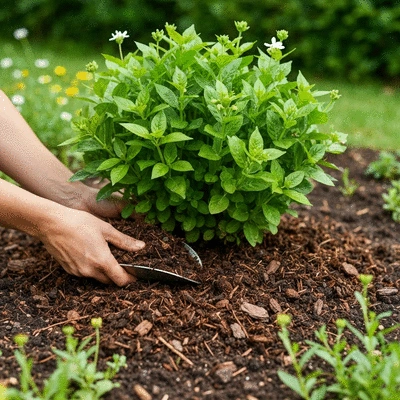
Gardener applying organic mulch around the base of a plant

Best Practices for Plant Recovery

  • Check for any signs of stress, such as wilting or yellowing leaves.
  • Avoid heavy foot traffic around the base of the plants to reduce disturbance.
  • Provide additional shade if your plants are struggling in direct sunlight.

Being attentive to their needs during this critical time can make all the difference! A little love and care can transform your plants into a flourishing garden.

Mulching Techniques to Encourage Healthy Growth

One of the best ways to give your plants a fighting chance after pruning is through mulching. Mulch helps retain moisture, suppress weeds, and gradually adds nutrients back into the soil as it breaks down. Trust me, your garden will thank you!

  • Use organic mulches like wood chips or straw for added benefits.
  • Apply a layer about 2-3 inches thick, keeping it away from the stems to prevent rot.
  • Refresh the mulch every few months to maintain its effectiveness.

With these post-pruning care techniques, you’re setting the stage for a vibrant, healthy garden. Remember, patience is key; your plants will need time to adjust, but with proper care, they’ll thrive and flourish beautifully!

Frequently Asked Questions About Pruning Tools and Care

What type of pruner should I use for live stems?
Bypass pruners are ideal for making clean cuts on live stems, as their two curved blades pass each other like scissors.
When should I use loppers instead of hand pruners?
Loppers are designed for cutting thicker branches, typically up to 2 inches in diameter, that are too large for hand pruners. Their long handles provide extra leverage.
What are pruning saws used for?
Pruning saws are necessary for branches thicker than 2 inches. They are designed for efficient cutting of larger limbs that loppers cannot handle.
Why is post-pruning fertilization important?
After pruning, plants benefit from fertilization to replenish lost nutrients and encourage new, healthy growth. A balanced, slow-release fertilizer high in nitrogen is often recommended.
How does mulching help after pruning?
Mulching helps retain soil moisture, suppresses weeds, and gradually adds nutrients to the soil as it decomposes. This supports the plant's recovery and overall health after pruning.
What are some recommended brands for quality pruning tools?
Felco (known for hand pruners), Fiskars (wide range of tools), and Corona (professional-grade loppers and saws) are highly recommended brands for their durability and performance.

Recap of Key Points

Here is a quick recap of the important points discussed in the article:
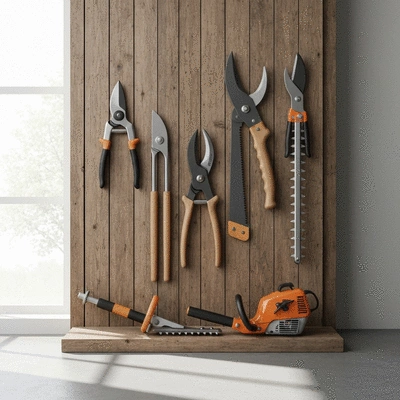
  • Use hand pruners for precision cuts on small branches and flowers.
  • Choose bypass pruners for live growth and anvil pruners for dead wood.
  • Loppers are ideal for reaching and cutting thicker branches up to 2 inches in diameter.
  • Pruning saws are necessary for branches thicker than 2 inches.
  • Hedge trimmers help maintain the shape of hedges and come in manual and electric options.
  • Always invest in quality garden gloves to protect your hands while pruning.
  • Post-pruning care includes proper fertilization and consistent watering for plant recovery.
  • Use organic mulch to retain moisture and suppress weeds after pruning.

Subscribe & Share
Cool-Season Crops for Northern Zones Cool-Season Crops for Northern Zones As we dive into the world of gardening, have you ever considered how the choices you make can extend
Tips for Building Raised Flower Beds Tips for Building Raised Flower Beds Are you ready to elevate your gardening experience? Discover how raised flower beds can revolutioniz
Getting Started with Hydroponic Kits Getting Started with Hydroponic Kits As we venture into the innovative world of hydroponics, consider how you can transform your gardenin
Cucumber Seeds: A Simple Guide Cucumber Seeds: A Simple Guide Choosing the right cucumber seeds can transform your gardening experience. With so many varieties av
Setting Up Backyard Aquaponics Setting Up Backyard Aquaponics Aquaponics combines the principles of aquaculture and hydroponics, creating a sustainable gardening
Testing Soil pH for Lawns Testing Soil pH for Lawns Soil pH plays a pivotal role in determining the health of your lawn. Understanding it can transform
Banner
All American Gardeners

Your premier online resource for mastering home gardening across the U.S. We empower American home gardeners with expert tips, step-by-step guides, and sustainable practices for thriving outdoor spaces.

Trusted by gardeners nationwide, our mission is to provide reliable, easy-to-follow insights backed by Clara M. Greene's extensive horticulture experience and practical advice.

Cultivate Your Garden
Recent Posts
Cool-Season Crops for Northern Zones Cool-Season Crops for Northern Zones

As we dive into the world of gardening, have you e

Tips for Building Raised Flower Beds Tips for Building Raised Flower Beds

Are you ready to elevate your gardening experience

Getting Started with Hydroponic Kits Getting Started with Hydroponic Kits

As we venture into the innovative world of hydropo

Gardening Wisdom from All American Gardeners