Have you ever considered how the right plants can transform your garden into a lush paradise? Understanding USDA Hardiness Zones is key to making informed choices that will lead to long-lasting beauty and sustainability.
What You Will Learn
USDA Hardiness Zones categorize regions based on winter temperature extremes, aiding in plant selection.
Choosing perennials reduces maintenance and enhances the beauty of your garden year after year.
Understanding local microclimates and soil conditions is crucial for selecting the right perennials.
Mass planting techniques can create stunning visual impacts while minimizing maintenance tasks.
Incorporating native plants boosts resilience, reduces water needs, and supports local ecosystems.
Ground cover plants improve soil health and suppress weeds, contributing to a healthier garden.
Pollinator-friendly plants attract beneficial insects, enhancing both beauty and biodiversity in your garden.
Understanding Perennial Gardening with USDA Zones and Sustainable Practices
This visual outlines key aspects of successful perennial gardening, focusing on USDA Hardiness Zones and sustainable techniques like mass planting, native plants, ground cover, and pollinator-friendly choices.
USDA Hardiness Zones: Temperature Ranges
Zones 1-3: Extremely Cold (-40°F to -20°F)
Zones 4-6: Cold to Moderate (-20°F to 10°F)
Zones 7-10: Warmer Regions (10°F to 40°F)
Zone 11: Tropical (40°F to 50°F+)
Perennial Benefits for Your Garden
✓ Long-lasting blooms, enhanced aesthetics
✓ Support local ecosystems (pollinators)
✓ Reduced gardening workload (return yearly)
✓ Increased soil health (deeper roots)
Impact of USDA Zones on Plant Selection
★ Research zone-specific plant recommendations
★ Consider local microclimates within your zone
★ Evaluate sun exposure & soil type for optimal growth
Sustainable Gardening Strategies
► Mass Planting: Enhanced aesthetics, reduced weeding
► Native Plants: Low water, pest resistance, wildlife support
Gardening can be a rewarding journey, and understanding USDA Hardiness Zones is a vital first step, especially for those looking to incorporate perennials into their garden. These zones dictate which plants will thrive in your local climate, helping you make informed choices for a vibrant, sustainable garden. Let’s dive deeper into what these zones are and why they matter!
What Are USDA Hardiness Zones?
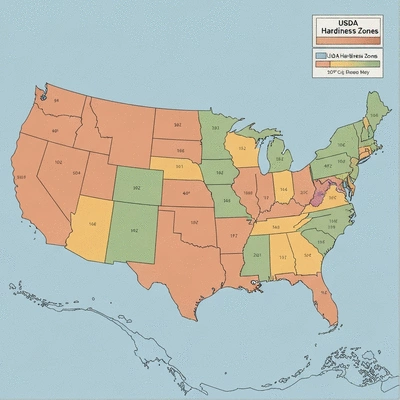
The USDA Hardiness Zones are a map that divides the United States into 13 zones based on average annual minimum winter temperatures. Each zone is separated by ten-degree Fahrenheit intervals, giving gardeners a guide to choosing plants that can survive and flourish in their specific area. For instance, if you live in Zone 6, you're in a region that typically sees winter temperatures between -10°F and 0°F. This information is crucial when selecting perennials, as it helps ensure your plants can withstand local weather conditions. To find out more about your specific zone, you can discover your USDA planting zone.
Zones 1-3: Extremely cold climates
Zones 4-6: Cold to moderate climates
Zones 7-10: Warmer regions
Zone 11: Tropical areas
This zoning system not only helps identify which plants are likely to survive but also encourages gardeners to explore native species that are perfectly adapted to their environment. At All American Gardeners, we believe that knowing your USDA zone opens up a world of possibilities for your garden!
Why Choose Perennials for Your Garden?
When it comes to creating a low-maintenance garden, perennials are often the star of the show! These plants return year after year, bringing beauty and color without the need for replanting. Choosing perennials means less work for you while still delivering stunning results! They are also typically more resilient than annuals, which can give you peace of mind when unexpected weather hits.
Long-lasting blooms that can enhance your garden's aesthetics
Support local ecosystems by attracting pollinators
Reduced gardening workload: fewer plants to replace each season
Increased soil health through deeper root systems
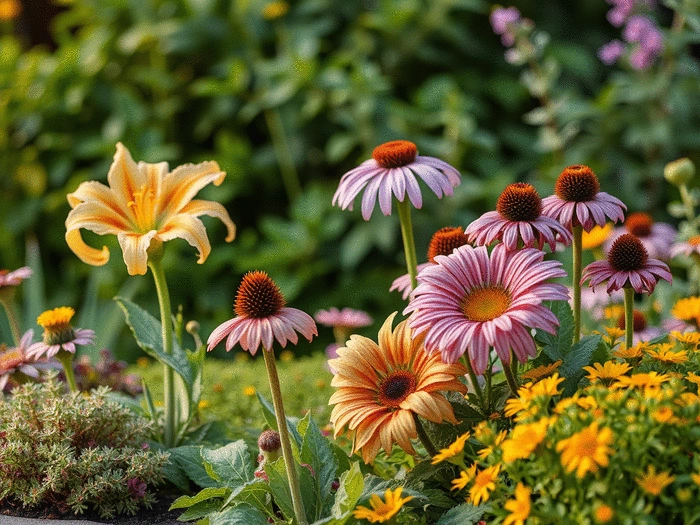
I love incorporating perennials into my own garden because they make every season a little brighter. Whether it's the vibrant blooms of echinacea in summer or the striking foliage of hostas in the fall, perennials truly shine in the garden!
How USDA Zones Impact Plant Selection for Your Garden
Understanding your USDA zone plays a significant role in selecting the right perennials. Plants that are well-suited to your zone will not only thrive but will also require less intervention from you. For example, if you're in a warmer area, you might want to look for heat-tolerant varieties that can withstand the summer sun. Conversely, cold-hardy perennials are essential in northern regions.
Research plants that are recommended for your specific zone
Consider local microclimates within your broader zone
Think about your garden's sun exposure and soil type
By matching your plant choices with the USDA zones, you’re setting yourself up for success. I often remind fellow gardeners that a little planning goes a long way in creating a thriving garden that requires minimal upkeep. Happy gardening!
We Want to Hear From You!
What aspect of perennial gardening excites you the most? Is it the vibrant blooms, the sustainability aspect, or perhaps the joy of nurturing plants year after year? Share your thoughts below:
Maximizing Your Perennial Garden’s Potential
Creating a beautiful and low-maintenance landscape can feel like a daunting task, but with the right strategies, it becomes a rewarding experience! One effective way to achieve this is through mass planting. By grouping your perennial plants together, you not only create a vibrant tapestry of colors and textures, but you also minimize the time spent on weeding and maintenance. Want to know how? Let’s dive in!
Creating a Low-Maintenance Landscape with Mass Planting
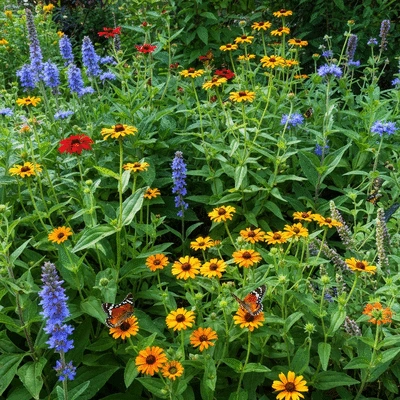
Mass planting involves planting a large number of the same species together, which can result in a stunning visual impact while reducing the need for regular upkeep. Here are some benefits of this technique:
Enhanced Aesthetics: A sea of blooms creates a striking focal point in your garden.
Reduced Weeding: Fewer gaps mean fewer spaces for weeds to take root.
Improved Soil Moisture Retention: Dense planting helps keep soil cool and moist, benefiting your plants.
When I started my own garden, I realized that mass planting not only saved time but also created a lush environment that was visually appealing! Choosing plants that thrive together can drastically improve the overall health of your garden.
Incorporating Native Plants for Better Adaptation
Native plants are beautifully adapted to your local climate and soil conditions, making them an excellent choice for sustainable gardening. They require less water and maintenance compared to non-native species. Here’s why incorporating them is a smart move:
Low Water Requirements: Native plants are accustomed to local rainfall patterns and need less irrigation.
Pest Resistance: These plants are more resilient to local pests and diseases.
Support for Local Wildlife: They provide food and habitat for native birds, insects, and other wildlife.
As I’ve seen in my own experience, adding native species can create a thriving ecosystem in your garden. Plus, it’s rewarding to know you’re contributing to local biodiversity! For more information on nurturing your garden's health, explore our healthy soil for thriving gardens guide.
Utilizing Ground Cover Plants for Soil Health and Aesthetics
Ground cover plants are an essential element in any low-maintenance garden. They not only enhance the aesthetic appeal but also play a vital role in maintaining soil health. Here are some benefits:
Weed Suppression: Ground covers can outcompete weeds for resources.
Soil Erosion Control: Their roots help hold soil in place, preventing erosion.
Moisture Retention: They create a protective layer that reduces evaporation.
In my garden, I’ve found that using ground covers like creeping thyme or sedum not only looks fantastic but also simplifies my maintenance routine! They add a lovely carpet of green while keeping the soil healthy.
Exploring the Benefits of Pollinator-Friendly Plants in Your Garden
Finally, let’s not overlook the importance of pollinator-friendly plants. By including these in your garden, you support essential wildlife while enhancing the beauty of your outdoor space. Here are some key benefits:
Attracts Beneficial Insects: Bees, butterflies, and other pollinators help with plant reproduction.
Increased Biodiversity: A diverse garden is a healthy garden!
Aesthetic Appeal: Many pollinator plants are known for their striking flowers.
Having a variety of pollinator-friendly plants in my garden has transformed it into a lively habitat buzzing with activity! These plants not only look great but also contribute to a flourishing ecosystem. If you're interested in attracting more beneficial insects, check out our guide on natural plants to attract pollinators.
Frequently Asked Questions (FAQs)
What are USDA Hardiness Zones?
USDA Hardiness Zones are geographical areas defined by their average annual minimum winter temperatures. They help gardeners determine which plants are most likely to survive in their region.
Why are perennials a good choice for my garden?
Perennials return year after year, offering long-lasting beauty, reducing the need for replanting, supporting local ecosystems by attracting pollinators, and improving soil health through deeper root systems.
How do USDA Zones affect my plant selection?
Knowing your USDA zone is crucial for selecting plants that can withstand your local climate's winter temperatures. This ensures your perennials will thrive and require less maintenance.
What is mass planting and its benefits?
Mass planting involves grouping a large number of the same plant species together. This technique enhances visual appeal, reduces weeding by covering more ground, and improves soil moisture retention.
Why should I incorporate native plants into my garden?
Native plants are well-adapted to local conditions, requiring less water and maintenance. They are also more resistant to local pests and diseases and provide essential food and habitat for local wildlife, boosting biodiversity.
Recap of Key Points
Here is a quick recap of the important points discussed in the article:
Understanding USDA Hardiness Zones is essential for selecting the right perennials for your garden.
Perennials offer long-lasting blooms and require less maintenance compared to annuals.
Researching plants suited to your specific USDA zone can lead to a more successful gardening experience.
Mass planting can enhance the visual impact of your garden while reducing maintenance needs.
Incorporating native plants supports local ecosystems and requires less water and care.
Utilizing ground cover plants helps with weed suppression and soil health.
Adding pollinator-friendly plants increases biodiversity and supports beneficial insects in your garden.
Subscribe & Share
2026-08-28
Growing Herbs with Hydroponics
Why settle for store-bought herbs when you can grow your own at home, in any space? Hydroponic garde
2026-08-27
Growing Sweet Corn from Seeds
Ready to transform your gardening experience? Selecting the right sweet corn seeds can make all the
Growing Your Own Garlic Bulbs
As you prepare to embark on your journey of growing garlic, consider this: garlic cultivation isn't
All American Gardeners
Your premier online resource for mastering home gardening across the U.S. We empower American home gardeners with expert tips, step-by-step guides, and sustainable practices for thriving outdoor spaces.
Trusted by gardeners nationwide, our mission is to provide reliable, easy-to-follow insights backed by Clara M. Greene's extensive horticulture experience and practical advice.