Cultivate Your Best Garden!

Join Clara M. Greene's community for expert tips and seasonal guides tailored for American gardeners.

Natural Plants to Attract Pollinators


Natural Plants to Attract Pollinators

Posted on: 2026-04-19
By: Clara M. Greene


As urban spaces continue to expand, the role of pollinators in our gardens becomes ever more critical. Every garden can be a sanctuary for these essential creatures, contributing not only to our local ecosystems but also to global food security. Ready to transform your garden into a pollinator-friendly paradise? Let’s dive into the key insights that will help you achieve just that!

What You Will Learn

  • Pollinators are essential for the growth of approximately 75% of the world's crops, directly impacting food security.
  • Diverse plant life promotes a stable ecosystem, providing habitats and resources for various wildlife.
  • Choosing organic plants minimizes chemical exposure and fosters a healthy environment for pollinators.
  • Incorporating a mix of native, perennial, and annual flowers ensures continuous blooms, attracting different pollinator species.
  • Adopting sustainable gardening practices, such as avoiding pesticides and maintaining cleanliness, benefits both pollinators and your garden’s health.

Pollinator Contribution to Ecosystems and Food Production

Pollinators are vital for our ecosystems and food supply. The visual below highlights their significant impact on global food production and biodiversity. Achieving a thriving ecosystem often starts with understanding the basics, much like mastering organic gardening tips for beginners.

Food Production Reliance

75%

of crops that feed the world rely on pollinators.

This highlights their critical role in global food security.

Ecological Impact

1/3

of food consumed relies on pollinators.

Pollinators directly contribute to biodiversity and ecosystem health.

Understanding the Importance of Pollinators in Your Garden

When it comes to gardening, one aspect that often gets overlooked is the vital role of pollinators. These incredible creatures, including bees, butterflies, and hummingbirds, are essential for the health of our ecosystems and the production of food. In fact, about one-third of the food we consume relies on pollinators! Without them, our gardens—and our plates—would look quite different.

Pollinators contribute to the growth of fruits, vegetables, and nuts, which are crucial for our diets. They help maintain biodiversity by promoting plant reproduction, leading to healthier and more robust ecosystems. So, as we nurture our gardens, let’s remember that they serve as critical habitats for these wonderful insects and birds!

Why Pollinators Matter for Ecosystems and Food Production

  • Food Security: Pollinators are responsible for pollinating roughly 75% of the crops that feed the world.
  • Biodiversity: A diverse range of flowers and plants ensures a stable ecosystem, providing shelter and food for various wildlife.
  • Soil Health: Healthy pollinator populations contribute to the growth of plants that prevent soil erosion and improve soil quality.

Understanding the role of pollinators in our gardens is just the beginning! By supporting them, we also enhance our own gardening success, leading to a more vibrant and fruitful garden. So, how can we create spaces that attract and sustain these vital allies? For plant-specific guidance, understanding plant tag information can be incredibly helpful.

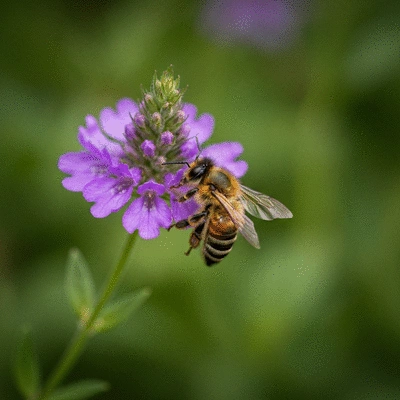
Close-up of a bee pollinating a vibrant purple flower in a garden

The Role of Organic Flowers and Plants in Supporting Pollinator Health

At All American Gardeners, we believe that using organic flowers and plants is key to nurturing a healthy garden. Organic gardening practices not only reduce chemical exposure but also promote a thriving ecosystem. Pollinators are particularly sensitive to pesticides, which can harm their populations.

Choosing organic plants means you’re providing a safe haven for these creatures. Plus, many organic plants are more resilient to pests and diseases, ensuring your garden flourishes naturally. By embracing organic methods, you’re not just helping pollinators; you’re cultivating a healthier environment for everyone!

Engaging Our Pollinator Allies

Did you know that gardens with a variety of flowers can support up to 50% more pollinator species? By planting a diverse array of native and organic plants, not only do you enhance the beauty of your garden, but you also create a thriving environment for these essential creatures. Consider incorporating plants that bloom at different times throughout the growing season to ensure a consistent food source for pollinators!

Summary of Steps to Create a Thriving Pollinator-Friendly Yard

Creating a garden that supports pollinators is both rewarding and essential. By following a few key steps, you can cultivate a vibrant outdoor space that not only attracts bees, butterflies, and hummingbirds but also contributes to the health of our ecosystems. Let’s take a moment to review the most important takeaways when selecting flowers and plants for your garden!

  • Choose native plants that thrive in your region.
  • Incorporate a mix of perennial and annual flowers for continuous blooms.
  • Opt for organic flowers to promote pollinator health.
  • Create diverse habitats with varying colors and shapes to attract different species.

Each of these steps helps create a welcoming environment for pollinators, ensuring they have the resources they need to thrive. Remember, the more diversity you provide in your garden, the more wildlife it will attract!

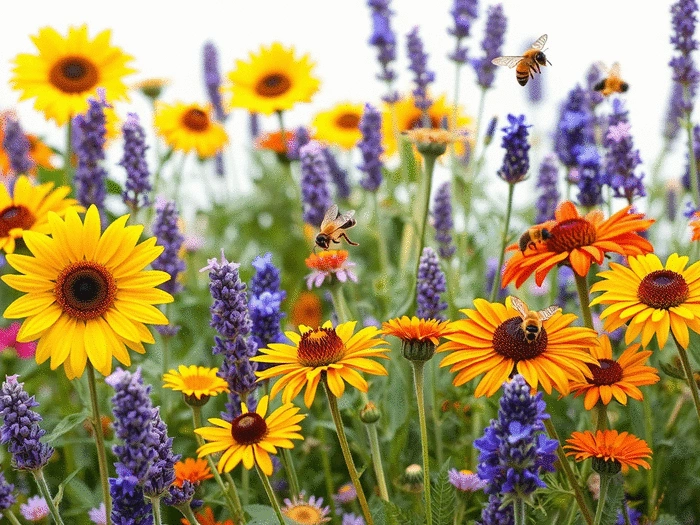
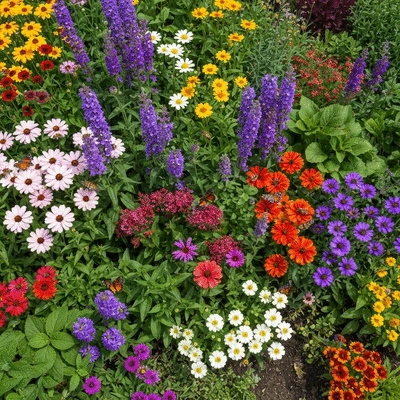
Overhead view of a diverse garden with various colorful flowers and buzzing bees

Encouraging Sustainable Practices for Long-Term Pollinator Support

As you embark on your gardening journey, it's crucial to adopt sustainable practices that will support pollinators in the long run. Simple actions can make a big difference, and here are a few ways you can contribute:

  • Practice organic gardening by avoiding pesticides and chemicals.
  • Maintain a clean garden to prevent the spread of diseases.
  • Use mulch to retain moisture and suppress weeds naturally.
  • Encourage local wildlife by providing food and shelter.

By integrating these sustainable methods, you're not only helping pollinators but also fostering a healthier garden ecosystem. Each small change adds up, and together we can make a substantial impact! For more insights on soil health, check out our guide on healthy soil for thriving gardens.

Advocating for Wildlife Conservation and Green Landscaping in Urban Areas

In urban settings, it’s especially important to advocate for wildlife conservation and green landscaping initiatives. Here’s how you can get involved:

  • Support local community gardens and pollinator-friendly projects.
  • Promote green spaces in your neighborhood by sharing your gardening experiences.
  • Educate others about the importance of pollinators in food production.

When we work together to enhance our urban landscapes, we create a ripple effect that benefits not just pollinators but our entire environment. Let’s make our cities a haven for these vital creatures!

Call to Action: Start Your Pollinator Garden Today

Where to Find Organic Flowers and Plants for Your Yard

If you're ready to take the plunge and create a pollinator garden, I encourage you to explore local nurseries and online resources for high-quality organic flowers and plants. At All American Gardeners, we offer curated recommendations that cater specifically to your region's unique growing conditions. Find the right plants that will flourish in your garden!

Join the Movement: Share Your Experiences and Tips for Attracting Pollinators

Gardening is more than just planting; it’s about community and sharing knowledge! I invite you to join the movement by sharing your experiences and tips for attracting pollinators. Connect with fellow gardeners, exchange ideas, and inspire others to create pollinator-friendly spaces. Together, we can make a significant difference in supporting our precious pollinators!
Recap of Key Points

  • Pollinators play a crucial role in food security, responsible for pollinating approximately 75% of the world's crops.
  • Choosing native and organic plants helps support pollinator health and maintain biodiversity in gardens.
  • Creating diverse habitats with a mix of perennial and annual flowers ensures continuous blooms and attracts various pollinator species.
  • Adopting sustainable gardening practices, such as avoiding pesticides and maintaining a clean garden, fosters a healthier ecosystem for pollinators.
  • Engaging in community efforts and advocating for green spaces enhances urban environments for wildlife conservation.

Frequently Asked Questions (FAQs)

Q: Why are pollinators important for my garden?
A: Pollinators, such as bees, butterflies, and hummingbirds, are crucial for the reproduction of about 75% of the world's crops, including many fruits, vegetables, and nuts. They also help maintain biodiversity and ecosystem health.
Q: What types of plants attract pollinators?
A: To attract a variety of pollinators, incorporate a mix of native, perennial, and annual flowers. Plants with diverse colors, shapes, and bloom times ensure a continuous food source. Organic plants are also preferred as they are free from harmful pesticides.
Q: How can I ensure my garden is safe for pollinators?
A: The most important step is to use organic gardening practices and avoid all synthetic pesticides and chemicals, which can be highly toxic to pollinators. Additionally, providing diverse habitats and a clean environment helps ensure their safety and well-being.
Q: How does choosing native plants benefit pollinators?
A: Native plants are naturally adapted to your local climate and soil conditions, making them more resilient and easier to maintain without excessive water or chemicals. They also provide the specific nectar, pollen, and host plant resources that local pollinator species have evolved to rely on.
Q: What are some sustainable practices for long-term pollinator support?
A: Sustainable practices include avoiding pesticides, maintaining a clean garden, using mulch to conserve moisture and suppress weeds, and providing food and shelter for local wildlife. These actions collectively create a healthier ecosystem for pollinators and your garden.

Subscribe & Share
Growing Lemon Thyme at Home Growing Lemon Thyme at Home Have you ever considered how a single herb can transform your culinary experiences and beautify your
Understanding Hydroponic Tower Gardening Understanding Hydroponic Tower Gardening Have you ever considered how a simple structure could transform your gardening experience? Hydroponi
Heirloom Seeds for Your Garden Heirloom Seeds for Your Garden What if your garden could tell a story? Heirloom seeds not only flourish under the sun but also carr
Eco-Friendly Lawn Fertilizer Options Eco-Friendly Lawn Fertilizer Options When it comes to nourishing your lawn, the switch to organic fertilizers might be the most significa
Mulch for Healthy Plants Mulch for Healthy Plants Did you know that mulching not only enhances the beauty of your garden but also plays a pivotal role
Easy Perennials for Your Zone Easy Perennials for Your Zone Have you ever considered how the right plants can transform your garden into a lush paradise? Unders
Banner
All American Gardeners

Your premier online resource for mastering home gardening across the U.S. We empower American home gardeners with expert tips, step-by-step guides, and sustainable practices for thriving outdoor spaces.

Trusted by gardeners nationwide, our mission is to provide reliable, easy-to-follow insights backed by Clara M. Greene's extensive horticulture experience and practical advice.

Cultivate Your Garden
Recent Posts
Growing Lemon Thyme at Home Growing Lemon Thyme at Home

Have you ever considered how a single herb can tra

Understanding Hydroponic Tower Gardening Understanding Hydroponic Tower Gardening

Have you ever considered how a simple structure co

Heirloom Seeds for Your Garden Heirloom Seeds for Your Garden

What if your garden could tell a story? Heirloom s

Gardening Wisdom from All American Gardeners