Temperature Range
70°F - 90°F (21°C - 32°C)Growing Green Bean Seeds Easily
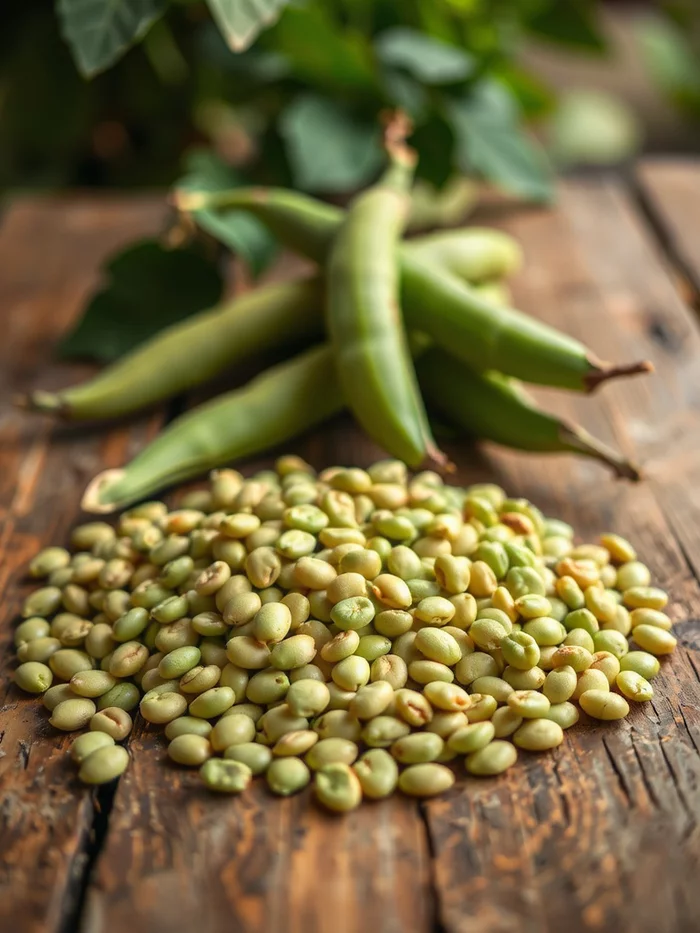
Posted on: 2026-07-08
By: Clara M. Greene
Did you know that the right soil preparation can significantly impact the success of your green bean garden? In this guide, you'll discover essential tips and strategies to ensure your green beans thrive from seed to harvest!
What You Will Learn
- The ideal soil conditions for growing green beans, including pH levels and organic matter enrichment.
- How to test seed viability using soaking and the damp paper towel methods.
- The importance of choosing the right seed variety, including heirloom vs. hybrid options.
- Optimal planting depth and spacing guidelines for healthy growth.
- Key steps for successful cultivation, including consistent watering and pest management.
Green Bean Cultivation: Key Conditions & Varietal Choices
Successful green bean gardening relies on understanding optimal environmental conditions and selecting the right seed varieties. This comparison highlights ideal soil temperatures, pH levels, and the characteristics of popular bean types. For more diverse planting options, consider choosing the right gardening seeds for your specific climate and soil conditions.

Optimal Soil Conditions
pH Level
6.0 - 7.0 (Slightly Acidic to Neutral)Drainage & Matter
Well-Draining, Rich in Organic MatterSeed & Planting Guidelines
Planting Depth
1-2 inches (2.5-5 cm) or "Twice the Seed Height"Bush Bean Spacing
2-4 inches apartPole Bean Spacing
4-6 inches apartHow to Grow Green Beans from Seeds: The Complete Guide
Welcome to the world of green beans! Growing these delicious and nutritious veggies from seeds is both rewarding and exciting. At All American Gardeners, I’m here to guide you every step of the way, ensuring that your green bean plants thrive. This complete guide will cover everything from pre-planting preparation to harvesting your beans for maximum flavor!
Essential Pre-Planting Preparation for Optimal Growth
Before you even think about planting your green beans, it's crucial to prepare properly. The right soil conditions are key to a successful harvest. Let's dive into what you need to know to set the stage for your beans to flourish!
Understanding Soil Conditions for Green Beans
First off, let's explore what makes the perfect soil for green beans.
- Well-draining soil: Green beans prefer a light, well-draining soil that allows water to flow freely, preventing root rot.
- pH level: Aim for a soil pH of 6.0 to 7.0, which is ideal for nutrient uptake.
- Organic matter: Incorporating compost or well-rotted manure enriches your soil with nutrients and improves its structure.
With these soil conditions in mind, let's talk about the ideal temperature for germination! For more insights on enriching your garden, check out our guide to healthy soil for thriving gardens.
Ideal Soil Temperature for Germination
Green bean seeds germinate best when the soil temperature is between 70°F and 90°F (21°C to 32°C). If you can keep the soil within this range, you’ll see quick growth! I recommend using a soil thermometer to monitor this closely, especially in those early spring days when temperatures can fluctuate.
Choosing the Right Seed Starting Soil
When it comes to seed starting, using a quality potting mix can make all the difference. Look for soil that is specifically formulated for seed starting. It should be light, fluffy, and contain minimal fertilizer. This will provide your green bean seeds with the right environment to sprout without overwhelming them with nutrients right away!
Seed Viability Testing Techniques
Now that we have our soil ready, let's ensure your seeds are viable before planting. Testing seed viability can save you time and effort.
- Soaking seeds: A great way to kickstart germination. Soak your green bean seeds in water for about 4-8 hours before planting.
- Damp paper towel test: Place a few seeds in a damp paper towel, fold it, and place it in a plastic bag. After a few days, check for sprouting!
These techniques will help you determine if your seeds are good to go!
How to Soak Green Bean Seeds for Maximum Germination
When soaking your seeds, make sure the water is warm but not hot. This process softens the seed coat, promoting quicker germination. After soaking, plant your seeds directly into your prepared soil and watch them flourish!
Using the Damp Paper Towel Test to Check Seed Viability
The damp paper towel test is simple and effective. After placing the seeds in the towel, keep them in a warm spot and check for sprouting every 2-3 days. If more than 75% sprout, you’re good to go for planting!
Exploring Different Seed Varieties for Green Beans
Choosing the right seed variety is essential for your gardening success. There are so many options available! Understanding the differences can help you select the best for your garden.
Heirloom Seeds vs. Hybrid Seeds: What to Choose?
When it comes to green bean seeds, you often face a choice between heirloom and hybrid. Here’s what to keep in mind!
- Heirloom seeds: These are open-pollinated varieties that have been passed down through generations. They often provide rich flavors and are great for preserving.
- Hybrid seeds: Typically bred for specific traits like disease resistance and higher yields. They may not produce seeds that replicate the parent plant.
Both have their advantages, so choose according to your gardening goals! For more information on historical and unique varieties, discover the charm of heirloom seeds for your garden.
Benefits of Heirloom Seeds in Home Gardening
Heirloom seeds offer a unique diversity of flavors and colors that can make your garden truly special. Plus, they adapt better to local growing conditions, which is essential for achieving the best harvest! Isn’t it exciting to think of the variety you can introduce to your meals?
Popular Green Bean Varieties and Their Characteristics
Here are a few popular green bean varieties you might consider:
- Blue Lake: Known for its tender texture and sweet flavor.
- Provider: A reliable bush bean that produces heavy yields.
- Kentucky Wonder: A classic pole bean with great flavor and yield.
By knowing the characteristics of these varieties, you can make an informed decision based on your taste preferences and garden space!
Planting Mechanics: Depth and Spacing Guidelines
Once you have your seeds selected, it’s time to talk about planting mechanics. Getting the depth and spacing right is crucial for healthy growth.
Determining the Right Planting Depth for Green Bean Seeds
The general rule of thumb for planting green bean seeds is to plant them at a depth of about 1-2 inches (2.5-5 cm). But there's a specific guideline to follow!
Understanding the "Twice the Seed Height" Rule
When determining planting depth, remember the "twice the seed height" rule. If your seeds are ½ inch tall, plant them 1 inch deep. This simple trick ensures that the seeds are deep enough to be protected but shallow enough to reach the sun!
Optimal Spacing for Healthy Growth
Spacing is just as important as depth. Proper spacing allows each plant to receive adequate sunlight and moisture.
Spacing Recommendations for Different Bean Varieties
For bush beans, I recommend spacing plants 2-4 inches apart, while pole beans should be spaced 4-6 inches apart. This way, they can spread out and grow strong!
Pro Tip
For optimal growth, consider companion planting! Green beans thrive when paired with corn, cucumbers, or radishes, as these plants can help deter pests and improve soil health. This not only maximizes your garden space but also enhances the overall yield of your crops!
Frequently Asked Questions About Growing Green Beans
Q1: What are the ideal soil conditions for growing green beans?
A1: Green beans thrive in well-draining soil with a pH level between 6.0 and 7.0. Enriching the soil with organic matter like compost or well-rotted manure is also beneficial.
Q2: What is the best temperature range for green bean seed germination?
A2: Green bean seeds germinate best when the soil temperature is consistently between 70°F and 90°F (21°C to 32°C).
Q3: How can I test the viability of my green bean seeds?
A3: You can test seed viability using two methods: soaking seeds in warm water for 4-8 hours to soften the coat, or the damp paper towel test, where seeds are placed in a damp paper towel in a plastic bag and checked for sprouting after a few days. If over 75% sprout, they are good for planting.
Q4: What is the difference between heirloom and hybrid green bean seeds?
A4: Heirloom seeds are open-pollinated varieties passed down through generations, known for rich flavors and adaptability to local conditions. Hybrid seeds are bred for specific traits like disease resistance and higher yields, but their seeds may not replicate the parent plant.
Q5: What are the recommended planting depths and spacing for green beans?
A5: Plant green bean seeds about 1-2 inches (2.5-5 cm) deep, following the "twice the seed height" rule. For bush beans, space plants 2-4 inches apart, and for pole beans, space them 4-6 inches apart to allow for healthy growth and adequate sunlight.
Recap of Key Steps for Successful Green Bean Cultivation
Growing green beans is an exciting journey that requires attention to detail and a bit of patience! To ensure your success, let's recap the key steps we discussed throughout this guide. Proper preparation and care are paramount for a thriving crop.
- Prepare your soil: Ensure it's well-draining and rich in nutrients.
- Test seed viability: Use methods like soaking or the damp paper towel test.
- Plant correctly: Follow the right depth and spacing guidelines.
- Water consistently: Maintain moisture without overdoing it!
- Monitor for pests: Be proactive in identifying and managing any threats.
By focusing on these essential practices, you’ll be on your way to a bountiful green bean harvest. Remember, as with any gardening endeavor, learning is part of the process. Embrace each step and enjoy the journey!
Emphasizing the Importance of Proper Preparation and Care
Each of these steps is interconnected, playing a vital role in the overall health of your green beans. For instance, if the soil conditions aren't just right, it could hinder seed germination or lead to weaker plants. That's why at All American Gardeners, I always stress the importance of preparation! Taking the time to set a solid foundation can make all the difference.
Additionally, keep in mind that consistent care is crucial. Over time, you’ll come to recognize the signs your plants give you, whether they need water, nutrients, or pest control. With every season, you'll gather valuable insights that will help you become a more confident gardener. For more comprehensive plant care, review our essential plant care checklist.
Encouraging Readers to Start Their Green Bean Garden
Now that you have the knowledge, it’s time to roll up your sleeves and dive into your green bean garden! Starting your own garden may seem daunting, but remember, every expert was once a beginner. I believe anyone can grow green beans with a little confidence and preparation!
Final Tips for Growing Green Beans from Seeds with Confidence
- Choose the right variety: Whether you prefer bush or pole beans, make sure you select what fits your space and taste.
- Follow local planting dates: Check your region’s planting calendar to optimize growth.
- Practice patience: Gardening is about enjoying the process as much as it is about the results!
Incorporating Sustainable Farming Practices in Your Garden
As you embark on your gardening journey, I encourage you to think about sustainability. Simple actions, like using organic fertilizers or composting kitchen scraps, can contribute to a healthier ecosystem while improving your soil's fertility. Remember, sustainable practices not only benefit your garden but also the environment!
Seed Saving: How to Preserve Your Best Varieties
Don't forget about seed saving! As you cultivate your green beans, look out for the best plants and save their seeds for the next growing season. This practice not only helps you maintain your favorite varieties but also fosters resilience in your garden. Plus, it’s a wonderful way to connect with nature's cycles!
Inviting Engagement: Share Your Green Bean Growing Experience
I’d love to hear about your green bean adventures! Feel free to share your experiences and any tips you’ve discovered along the way. At All American Gardeners, we thrive on community, and your stories can inspire fellow gardeners. Together, let's cultivate beautiful gardens and a love for green beans!
Recap of Key Points
Here is a quick recap of the important points discussed in the article:
- Prepare your soil: Ensure it's well-draining and rich in nutrients.
- Test seed viability: Use methods like soaking or the damp paper towel test.
- Plant correctly: Follow the right depth and spacing guidelines for optimal growth.
- Water consistently: Maintain moisture without overdoing it!
- Monitor for pests: Be proactive in identifying and managing any threats to your plants.

Final content section.
2026-08-28
Growing Herbs with Hydroponics
 Why settle for store-bought herbs when you can grow your own at home, in any space? Hydroponic garde
2026-08-27
Growing Sweet Corn from Seeds
 Ready to transform your gardening experience? Selecting the right sweet corn seeds can make all the
2026-08-27
Growing Aquaponic Tomatoes at Home
 Imagine harvesting juicy, flavorful tomatoes while actively contributing to sustainable agriculture.
2026-08-25
Soil Choices for Healthy Rosemary
 What if I told you that the secret to growing robust rosemary lies in the soil beneath your feet? Un
2026-08-23
Exploring Hydroponic Greenhouse Benefits
 Have you ever wondered how innovative techniques in gardening can reshape our food production? Hydro
2026-08-22
Growing Your Own Garlic Bulbs
 As you prepare to embark on your journey of growing garlic, consider this: garlic cultivation isn't