Cultivate Your Best Garden!

Join Clara M. Greene's community for expert tips and seasonal guides tailored for American gardeners.

Growing Hydroponic Lettuce at Home


Growing Hydroponic Lettuce at Home

Posted on: 2026-07-10
By: Clara M. Greene


Hydroponic gardening is revolutionizing how we grow our food. With innovative techniques and sustainable practices, it offers an accessible way to cultivate fresh produce, even in limited spaces. Are you ready to explore the world of hydroponic lettuce?

What You Will Learn

  • Hydroponic lettuce is grown in a nutrient-rich water solution, allowing for faster growth and fewer pests.
  • This method is more sustainable, often using less water than traditional soil gardening.
  • Hydroponic systems can be space-efficient, enabling vertical gardening and year-round growth.
  • With precise nutrient control, hydroponic lettuce can have a higher nutritional value compared to soil-grown varieties.
  • Maintaining optimal conditions, such as pH and temperature, is crucial for successful hydroponic gardening.
  • Engaging with gardening communities can provide valuable insights and resources for continuous improvement in hydroponic techniques.

Hydroponic vs. Soil-Grown Lettuce: A Comparative Look

Unpacking the key differences and advantages of cultivating lettuce using hydroponic methods compared to traditional soil-based gardening.

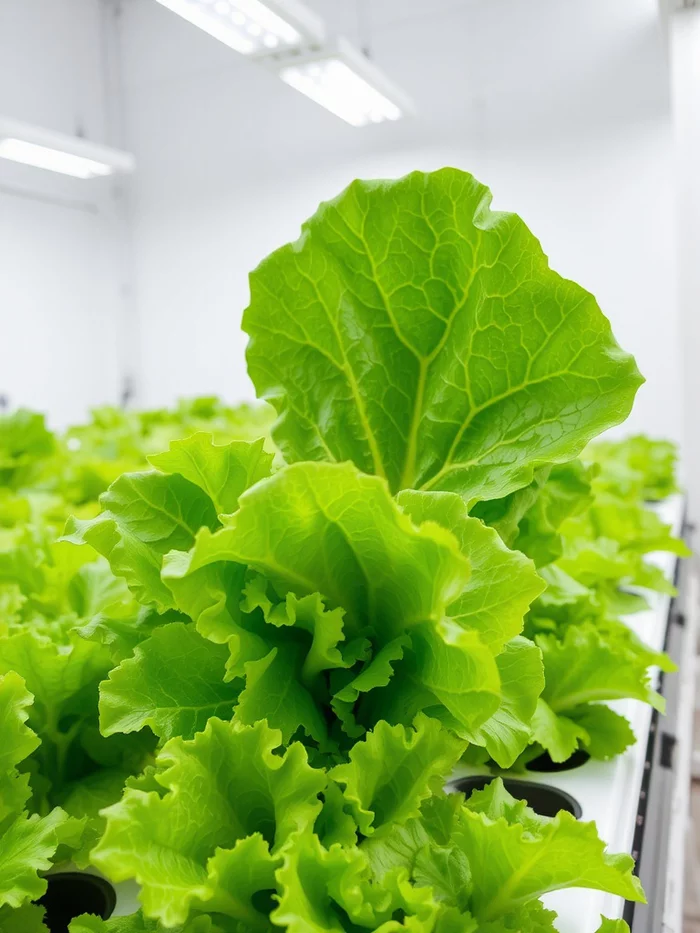
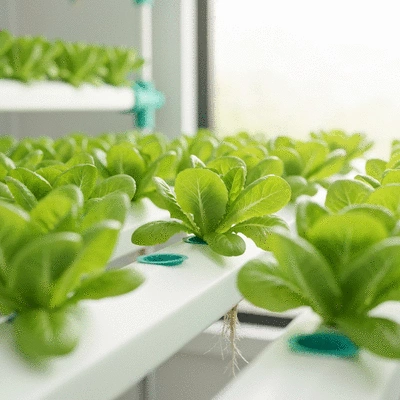
Hydroponic garden setup with vibrant lettuce growing

Growth Rate

Hydroponic: As fast as 30 days (seed to harvest)

Soil-Grown: Typically longer due to environmental factors

Produce Cleanliness

Hydroponic: Fewer pesticides, less prone to contamination

Soil-Grown: Can be susceptible to soil-borne pests & diseases

Space Efficiency

Hydroponic: Can be set up vertically, maximizing area

Soil-Grown: Requires larger horizontal plots or garden beds

Water Usage

Hydroponic: Often uses less water due to recirculation

Soil-Grown: Can be less efficient, prone to evaporation and run-off

Understanding Hydroponic Lettuce: The Basics and Benefits

Let’s dive into the world of hydroponic lettuce! You might be wondering, what exactly is hydroponic lettuce? Simply put, it’s lettuce grown in a nutrient-rich water solution rather than in soil. This method allows plants to absorb nutrients more efficiently and can lead to faster growth rates. Plus, hydroponic systems can be set up indoors or outdoors, making them a versatile choice for home gardeners like us!

Now, how does hydroponic lettuce differ from its soil-grown counterparts? While both methods can yield delicious greens, hydroponics offers a cleaner and more controlled environment, reducing the likelihood of pests and diseases. This means less fuss and more focus on enjoying your garden!

What is Hydroponic Lettuce and How Does It Differ from Soil-Grown Lettuce?

Hydroponic lettuce is cultivated in a soilless system, typically involving water, minerals, and a growing medium. This technique can be a game changer for gardeners, especially those in urban areas with limited space. By eliminating soil, we also reduce the problems that come with it, such as weeds and soil-borne pests. If you're looking to get started, consider this beginner's guide to hydroponics to help you set up your first system.

  • Soil Dependency: Soil-grown lettuce relies on soil quality, which can vary greatly.
  • Water Usage: Hydroponics often uses less water than traditional gardening, making it more sustainable.
  • Growth Rate: Hydroponic lettuce typically grows faster due to direct access to nutrients.

As a passionate gardener, I can assure you that these differences not only enhance the growing experience but also the quality of the lettuce you'll harvest!

The Advantages of Growing Hydroponic Lettuce: Faster Growth and Cleaner Produce

Let’s talk about the key benefits of hydroponic lettuce. One of the standout advantages is the speed of growth. Hydroponic systems can produce lettuce in as little as 30 days from seed to harvest! That’s incredibly fast compared to traditional methods.

  • Cleaner Produce: Without soil, hydroponic lettuce tends to have fewer pesticides and is less prone to contamination.
  • Space Efficiency: These systems can be set up vertically, maximizing your growing area.
  • Year-Round Growing: Hydroponics allows you to grow lettuce throughout the year, regardless of outside conditions!

These benefits make hydroponic lettuce an appealing option for both new and seasoned gardeners. Plus, you’ll find it's a fun way to experiment with different growing techniques!

The Health Benefits of Hydroponic Lettuce: Nutritional Value Compared to Soil-Grown

When it comes to health, hydroponic lettuce packs a punch! Studies have shown that the nutritional value of hydroponically grown lettuce can be comparable to or even better than that of soil-grown lettuce. This is due to the precise nutrient control you can achieve in hydroponic systems.

  • Higher Nutrient Concentration: Because the plants have direct access to nutrients, they can often absorb more.
  • Fresher Taste: Hydroponic lettuce is often harvested and consumed much quicker, leading to an incredibly fresh taste.
  • Fewer Chemicals: Many hydroponic systems utilize organic nutrients, resulting in healthier produce.

As you explore hydroponic gardening, you'll discover how it can lead to not just a beautiful garden, but also a healthier lifestyle. Happy gardening!

We Want to Hear From You!

Have you tried growing hydroponic lettuce? What challenges or successes have you experienced? Share your thoughts below:

Frequently Asked Questions About Hydroponic Lettuce

What is hydroponic lettuce?
Hydroponic lettuce is lettuce grown in a nutrient-rich water solution instead of soil, allowing for efficient nutrient absorption and faster growth.
How quickly does hydroponic lettuce grow?
Hydroponic lettuce can grow from seed to harvest in as little as 30 days, significantly faster than traditional soil-grown methods.
Is hydroponic lettuce more nutritious than soil-grown lettuce?
Studies indicate that hydroponically grown lettuce can have comparable or even higher nutritional value due to precise control over nutrient delivery.
What are the main advantages of growing hydroponic lettuce?
Key advantages include faster growth, cleaner produce (fewer pesticides and less contamination), space efficiency through vertical setups, and the ability to grow year-round.
What conditions are crucial for successful hydroponic lettuce cultivation?
Maintaining optimal pH levels (5.5-6.5), consistent temperature (65°F-70°F), and regular monitoring of nutrient concentrations and water quality are essential.
What are some common hydroponic systems?
Common systems include Deep Water Culture (DWC), Nutrient Film Technique (NFT), and aeroponics, each with unique benefits and requirements.
How can I learn more about hydroponic gardening?
There are many resources available, including books, online courses, gardening forums, and local gardening clubs. Engaging with the gardening community provides valuable insights.

Summarizing Hydroponic Lettuce Cultivation: Key Takeaways

Growing hydroponic lettuce can be a rewarding experience, but like any gardening journey, it requires proper setup and consistent maintenance. One of the first steps to success is understanding your hydroponic system. Whether you choose Deep Water Culture (DWC), Nutrient Film Technique (NFT), or aeroponics, each has unique benefits and requirements. As a passionate gardener, I always emphasize the importance of tailoring your setup to your specific needs and space! For those interested in expanding their gardening options, exploring vertical garden benefits can open up new possibilities for maximizing yield in limited areas.
In addition to selecting the right system, maintaining optimal conditions is crucial. This includes monitoring your pH levels, nutrient concentrations, and water quality. Remember, a little effort in these areas can lead to bountiful yields of fresh, delicious lettuce! Here are some key aspects to focus on:

  • Maintain a pH level between 5.5 and 6.5 for optimal nutrient uptake.
  • Keep an eye on the temperature; aim for a range of 65°F to 70°F for ideal growth.
  • Regularly check your nutrient solution and top it up as needed.

The Importance of Proper Setup and Maintenance for Success

Setting up your hydroponic lettuce system correctly and maintaining it is akin to laying the foundation for a sturdy house. Without a solid foundation, everything else can falter. I often remind fellow gardeners that it’s not just about starting strong; it’s about staying consistent. Regular checks and adjustments can make a world of difference in plant health and productivity!

Additionally, you should familiarize yourself with potential pests and diseases. Regular monitoring and proactive measures can save your plants from significant setbacks. Engaging with the gardening community, whether online or in person, can also provide invaluable insights. Here are some recommended practices:

  • Check plants weekly for signs of pests such as aphids or spider mites.
  • Use organic pest control methods to manage outbreaks naturally.
  • Document your findings and adjustments to learn what works best in your system.

Continuous Learning: Resources for Ongoing Improvement

Gardening is a continuous journey of learning. At All American Gardeners, I'm dedicated to providing resources that help you improve your hydroponic skills. There are countless books, online courses, and gardening forums where you can find tips and inspiration. I often recommend exploring local gardening clubs or online communities to connect with like-minded gardeners who share your passion!

Here are some excellent resources to consider:

  • Books on hydroponic gardening that cover techniques and best practices.
  • Webinars and online courses from experienced hydroponic farmers.
  • Social media groups dedicated to hydroponic gardening discussions.

Exploring Hydroponic Innovations in Lettuce Farming

The world of hydroponics is always evolving, with new technologies and innovations emerging regularly. From automated nutrient dosing systems to advanced LED lighting solutions, there's always something new to explore. Staying updated on the latest trends can enhance your hydroponic experience and help you achieve even greater success with your lettuce cultivation! For those eager to deepen their understanding of how light influences plant growth, consider reading about growing plants with LED lights.

As a gardener, I find it exciting to see how technology can simplify growing and improve plant health. Consider diving into topics like vertical farming or integrating smart technology into your setup. The possibilities are endless, and they all lead to creating a more efficient, productive, and sustainable garden!

Recap of Key Points

Here is a quick recap of the important points discussed in the article:

  • Hydroponic Method: Lettuce grown in nutrient-rich water allows for faster growth and cleaner produce.
  • Benefits: Hydroponic systems use less water, reduce pests and diseases, and can yield lettuce in as little as 30 days.
  • Nutritional Value: Hydroponic lettuce often has higher nutrient concentration and fresher taste compared to soil-grown varieties.
  • Optimal Conditions: Maintaining a pH level of 5.5 to 6.5 and monitoring water quality is essential for success.
  • Continuous Learning: Engage with gardening communities and utilize resources for ongoing improvement in hydroponic skills.
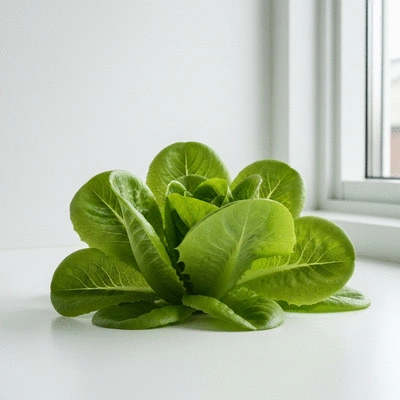
Freshly harvested hydroponic lettuce in a kitchen setting

Growing hydroponic lettuce can be a rewarding experience, but like any gardening journey, it requires proper setup and consistent maintenance. One of the first steps to success is understanding your hydroponic system. Whether you choose Deep Water Culture (DWC), Nutrient Film Technique (NFT), or aeroponics, each has unique benefits and requirements. As a passionate gardener, I always emphasize the importance of tailoring your setup to your specific needs and space! For those interested in expanding their gardening options, exploring vertical garden benefits can open up new possibilities for maximizing yield in limited areas.


Subscribe & Share
Caring for Azalea Bonsai Flowers Caring for Azalea Bonsai Flowers Caring for azalea bonsai can transform your gardening experience, turning a simple hobby into a vibr
Growing Hydroponic Lettuce at Home Growing Hydroponic Lettuce at Home Hydroponic gardening is revolutionizing how we grow our food. With innovative techniques and sustain
Bonsai vs. Pre-Bonsai Explained Bonsai vs. Pre-Bonsai Explained What if your next gardening project was not just about planting but creating a living art piece? Und
Creating a Chamomile Garden Creating a Chamomile Garden Did you know that incorporating chamomile in your garden can do more than just provide beautiful blo
Growing Green Bean Seeds Easily Growing Green Bean Seeds Easily Did you know that the right soil preparation can significantly impact the success of your green bean
Growing Thai Basil from Seeds Growing Thai Basil from Seeds Did you know that incorporating herbs like Thai basil can significantly enhance both the flavor of y
Banner
All American Gardeners

Your premier online resource for mastering home gardening across the U.S. We empower American home gardeners with expert tips, step-by-step guides, and sustainable practices for thriving outdoor spaces.

Trusted by gardeners nationwide, our mission is to provide reliable, easy-to-follow insights backed by Clara M. Greene's extensive horticulture experience and practical advice.

Cultivate Your Garden
Recent Posts
Caring for Azalea Bonsai Flowers Caring for Azalea Bonsai Flowers

Caring for azalea bonsai can transform your garden

Growing Hydroponic Lettuce at Home Growing Hydroponic Lettuce at Home

Hydroponic gardening is revolutionizing how we gro

Bonsai vs. Pre-Bonsai Explained Bonsai vs. Pre-Bonsai Explained

What if your next gardening project was not just a

Gardening Wisdom from All American Gardeners