USDA Planting Zone Temperature Ranges
Average Annual Minimum Winter Temperature (°F)
Join Clara M. Greene's community for expert tips and seasonal guides tailored for American gardeners.
Posted on: 2026-02-20
By: Clara M. Greene
As we approach 2026, have you considered how understanding your USDA planting zone could transform your gardening experience? Knowing the right zone empowers you to select the most suitable plants and optimize your gardening strategies.
This visual summarizes the temperature ranges for USDA planting zones and highlights the projected impacts of climate change on these zones by 2026. For a deeper dive into how these zones are defined, explore our article on USDA Hardiness Zones Explained.
Average Annual Minimum Winter Temperature (°F)
Anticipated shifts due to rising temperatures
Some areas reclassified to warmer zones, allowing new plant varieties.
Learn More about 2023 RevisionsGardeners need to adapt strategies and plant choices to evolving climates.
Explore Climate ModelsAs a gardener, understanding your USDA planting zone is crucial for your success! It not only informs you about the types of plants that can thrive in your area but also influences your gardening strategies throughout the year. With changes projected for 2026, now is the perfect time to dive into what these zones mean and how they can help you cultivate a flourishing garden.
The USDA Plant Hardiness Zone Map is more than just a chart; it’s a key tool for any gardener. By knowing your zone, you can make informed decisions about what to plant, ensuring that your garden is both beautiful and productive.
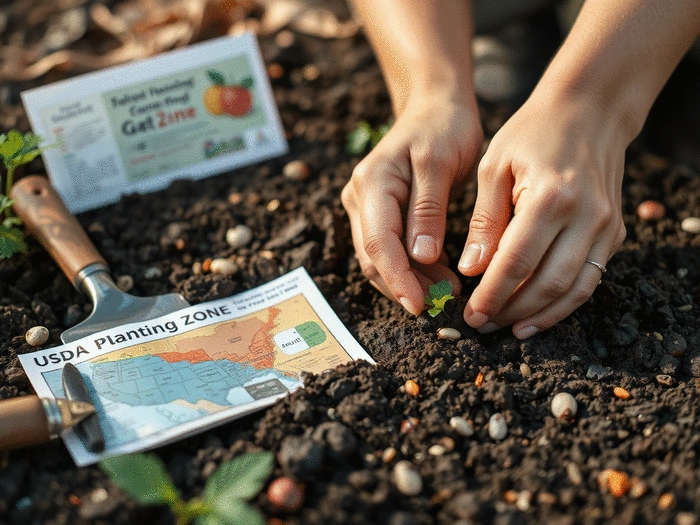
USDA planting zones categorize regions based on their minimum winter temperatures. Essentially, these zones help gardeners understand which plants are most likely to survive the winter in their area. The map divides the U.S. into 13 zones, each represented by a range of temperatures that plants can endure.
Understanding your specific zone is particularly important for gardeners like you, as it can affect everything from planting schedules to plant selection. At All American Gardeners, we believe knowing your zone empowers you to make the right choices for your garden!
The concept of plant hardiness zones revolves around the idea that different plants have varying tolerances to cold. Each zone represents a range where the average annual minimum temperature is similar. For instance, if you live in Zone 7, you can expect winters where temperatures drop no lower than 0°F, which influences what plants can survive the harshest conditions.
It's essential to remember that while the USDA map is a great guide, local microclimates can also play a role in your garden's success. These can be influenced by factors such as elevation, proximity to water, and urban heat islands! For effective plant care, it's also helpful to understand Understanding Plant Tag Information.
So, why should you care about your exact growing zone? Knowing your zone allows you to:
This knowledge can transform your gardening experience, leading to healthier plants and more bountiful harvests. Always remember, gardening is about working with nature as much as it is about your personal preferences!
As we look ahead to 2026, it’s important to stay informed about potential updates to the USDA Plant Hardiness Zones. With climate change influencing weather patterns across the country, it’s likely that some zones will shift. This shift impacts what you can grow successfully!
The latest update to the USDA map reflects changes that have occurred in average temperatures over recent years. For instance, some areas have been reclassified to a warmer zone, which means you may now have the opportunity to grow plants that weren’t previously viable in your area. Exciting, isn’t it?
These updates also remind us of the importance of keeping our gardening knowledge current. As conditions change, so should our approaches to planting!
Climate models suggest that by 2026, we could see even more shifts in USDA planting zones as temperatures continue to rise. This means that gardeners should pay close attention to these changes to adapt their gardening strategies effectively. Staying proactive about these fluctuations can help you optimize your gardening efforts.
As passionate gardeners, we must embrace these changes and find ways to work with our evolving climates. Every adjustment offers a new opportunity for growth—literally!
In addition to hardiness zones, understanding climate zones—such as temperate, tropical, and arid—can further enhance your gardening success. These zones take into account not just temperature but also rainfall patterns, humidity, and sunlight. By considering both your hardiness zone and climate zone, you can create a more thriving garden, and for those just starting, learning about organic gardening tips for beginners can be incredibly beneficial.
At All American Gardeners, we encourage you to keep these factors in mind as you plan your garden. Let’s harness the power of knowledge to cultivate beautiful and sustainable outdoor spaces together!
According to the USDA, about 90% of garden failures can be attributed to selecting plants that are not suited for the local climate. Understanding your planting zone is not just helpful; it's essential for a thriving garden!
As we wrap up our exploration of USDA planting zones, it's crucial to remember the key steps for identifying your specific zone. Knowing your planting zone is a cornerstone of successful gardening, influencing the types of plants you can grow and when to plant them. Here’s a quick recap:
By following these steps, you can ensure that your garden not only survives but thrives in accordance with your unique growing conditions! At All American Gardeners, we’re dedicated to helping you navigate these steps with ease.
Gardening is an evolving practice, and it's essential to stay informed about climate changes that may affect your planting zones. The increasing variability in weather patterns can lead to shifts in hardiness zones, meaning what might have worked in one season could change in the next. It's vital to remain adaptable!
By staying engaged and informed, you can adjust your gardening practices as needed, ensuring that your plants receive the best care possible.
Now that you're equipped with a solid understanding of your USDA planting zone, it's time to put that knowledge into action! Use this information to plan your garden effectively, considering the unique needs of each plant. Here are some practical steps to follow:
By taking these steps, you’ll set yourself up for a flourishing garden that brings joy and productivity to your home!
To continue your gardening journey, I highly recommend exploring additional resources that can provide valuable insights and support. The USDA website offers a wealth of information about planting zones, while gardening blogs like All American Gardeners can keep you inspired with expert tips and techniques. Here’s a quick list of resources to check out:
These resources will enhance your gardening experience, making it easier to stay informed and connected with fellow gardening enthusiasts!
Ready to take the next step in your gardening adventure? With your newfound knowledge of USDA planting zones, I encourage you to start planning your garden today! Embrace the process, and remember, I'm here to support you every step of the way. Happy gardening! For those looking to get started, consider exploring our essential tools for new gardeners.
Here is a quick recap of the important points discussed in the article: